Inclusive Dining for Residents with Food Allergies
Food allergy management in healthcare dining goes beyond safety, it’s also about inclusion.
Residents with food allergies should still be able to enjoy meals that feel familiar, satisfying, and as close to the regular menu as possible. Inclusive dining helps residents feel less isolated and creates a more positive dining experience.
In many cases, this can be achieved with simple ingredient modifications rather than creating an entirely separate meal.
Examples of easy allergy-friendly modifications include:
- Using gluten-free breadcrumbs to prepare gluten-free meatballs
- Substituting dairy-free milk and butter alternatives in mashed potatoes
- Using egg-free mayonnaise in salads and dressings
- Preparing gluten-free pasta versions of featured entrées
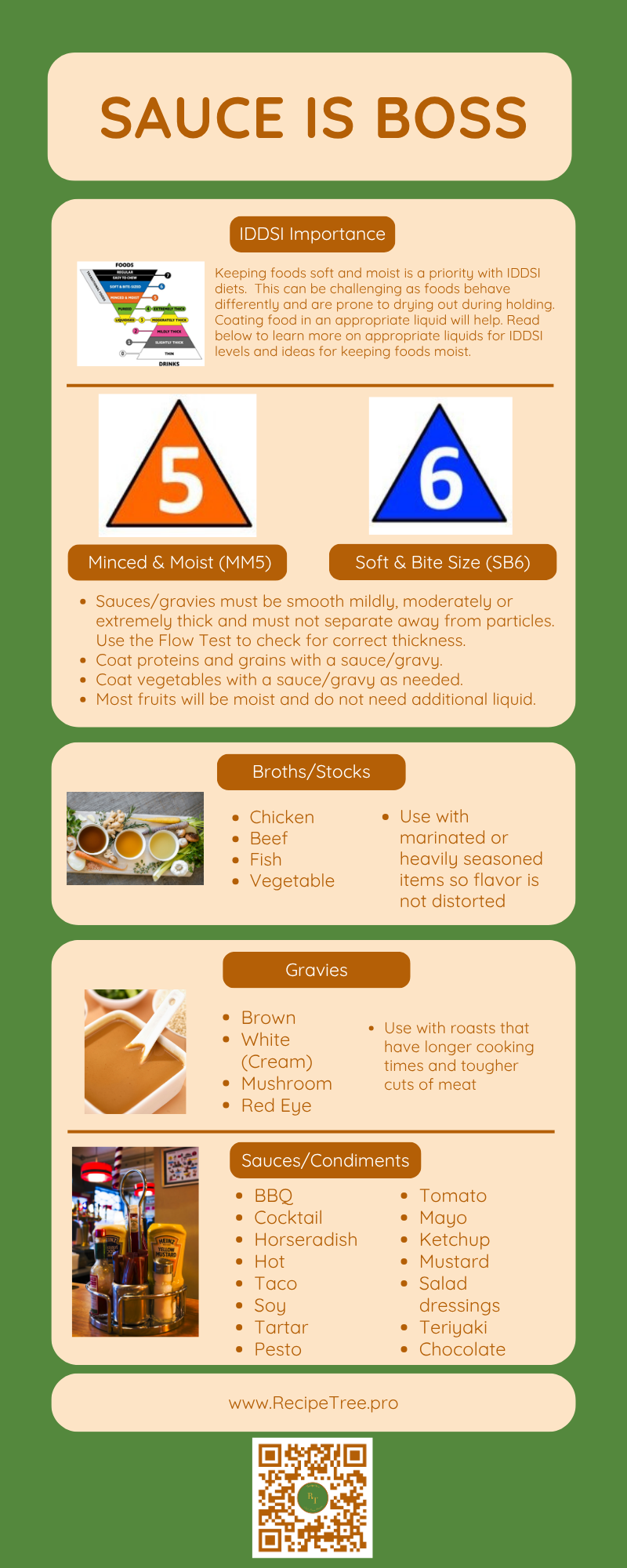
- Using allergen-friendly thickening agents in soups and sauces
These small adjustments allow residents with allergies to enjoy meals that closely resemble what is being served to the rest of the community.
Inclusive dining also helps:
✔️ Improve resident satisfaction
✔️ Support dignity and quality of life
✔️ Reduce feelings of exclusion at mealtime
✔️ Create more consistent dining experiences
It’s also important for every healthcare community to have a clear policy and procedure for how food allergies are managed within the dining department.
This policy should outline:
- How allergies are identified and documented
- How dietary updates are communicated between departments
- Procedures for allergy-friendly meal preparation and service
- Cross contact prevention practices
- Labeling and tray accuracy processes
- Staff training expectations
- Steps for handling allergy concerns or incidents
Having a standardized process in place helps improve consistency, reduce risk, and ensure all team members understand their role in protecting resident safety.
At the same time, safe food preparation practices remain essential. Clear labeling, preventing cross contact, staff communication, and standardized preparation procedures all play an important role in protecting residents with allergies.
With thoughtful planning and simple modifications, healthcare dining teams can create meals that are both safe and inclusive.
Because every resident deserves to feel included at the table.
For more information on safe food substitutions for the Top 9 Food Allergens, visit https://allergyasthmanetwork.org/food-allergies/living-with-food-allergies/safe-food-substitutions