How Food is Celebrated Across Asian & Pacific Islander Cultures

Amanda Page, CDM, CFPP • May 14, 2026

Food is deeply woven into the traditions and celebrations of many Asian American and Pacific Islander cultures. Meals are often viewed as a way to bring people together, honor family traditions, and celebrate community.


Across many cultures, food is more than nourishment, it represents hospitality, respect, remembrance, and connection.


Examples of how food is celebrated throughout AAPI cultures include:


  • In many Chinese traditions, long noodles symbolize longevity and are often served during birthdays and celebrations.


  • Japanese meals frequently emphasize balance, seasonality, and presentation, with dishes thoughtfully prepared to reflect harmony and simplicity.


  • Filipino gatherings often center around shared meals and large family-style dishes that encourage togetherness and hospitality.


  • Hawaiian and Pacific Islander cuisines commonly celebrate fresh ingredients and communal dining experiences tied to family and cultural heritage.


  • Korean meals often feature multiple side dishes, creating a shared dining experience that emphasizes variety and connection.


To help bring these traditions to life, we’ve included an infographic featuring recipe examples inspired by several Asian American and Pacific Islander cultures, including dishes such as Vegetable Lo Mein, Chicken Adobo, Sinangag (Garlic Fried Rice), Bulgogi Beef, Teriyaki Chicken, Kalua Pork, and more.


“How Food is Celebrated Across Asian & Pacific Islander Cultures”


These traditions highlight how food can create meaningful experiences and strengthen community bonds.


In healthcare dining, incorporating culturally inspired meals can help residents feel recognized, respected, and connected to comforting memories and traditions. Even small additions, such as offering culturally inspired sauces, rice dishes, soups, or seasonings, can create more inclusive dining experiences.


Celebrating culture through food helps remind us that meals can nourish both the body and the spirit.


For more cultural menu inspiration and resources, visit our Culinary Toolkit page.


By Amanda Page, CDM, CFPP • November 11, 2026
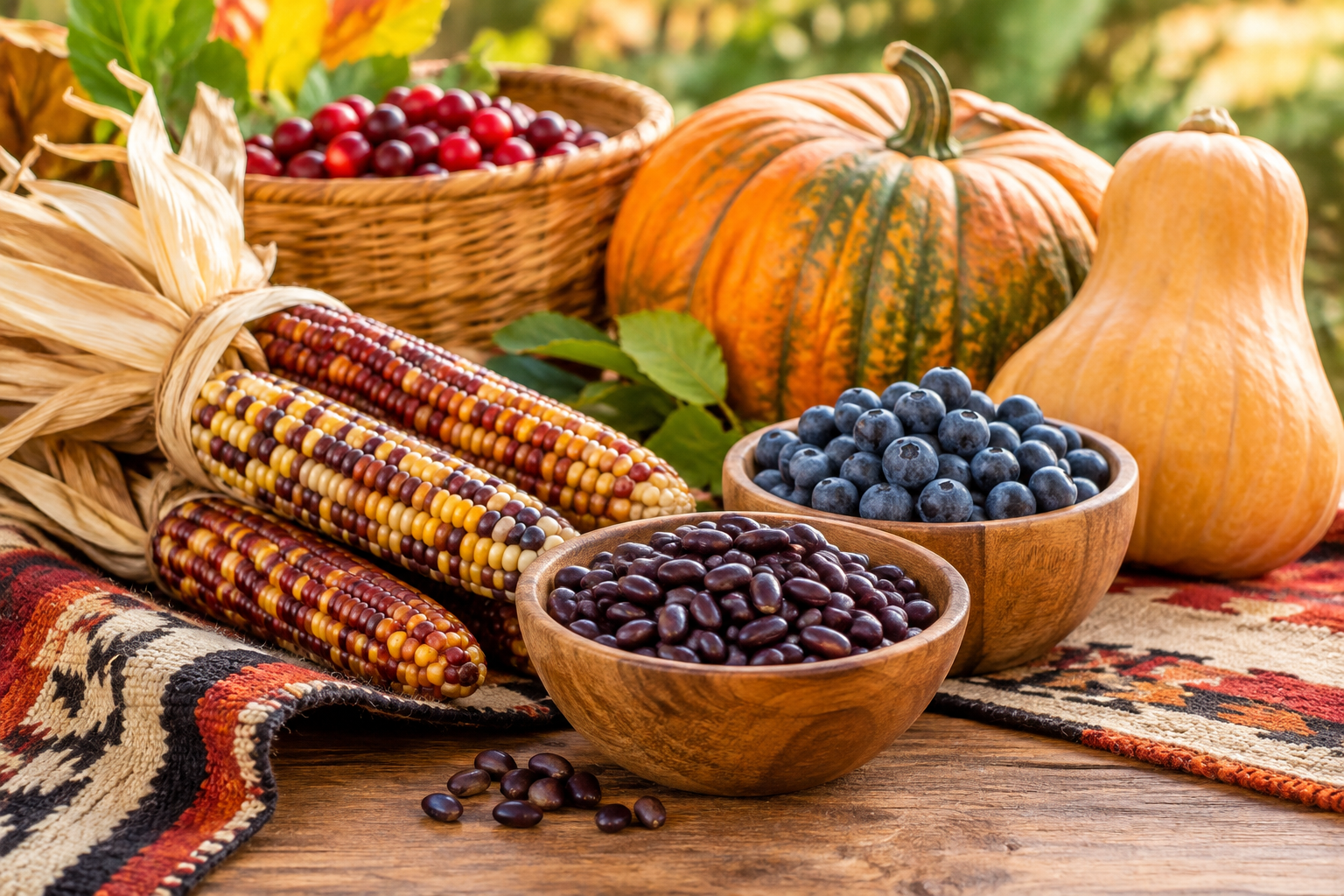
Food is more than nourishment. It tells stories about the land, reflects generations of knowledge, and connects families and communities through shared traditions. During Native American Heritage Month, November offers an opportunity to recognize the rich and diverse food traditions of Indigenous communities throughout the United States. While there is no single Native American cuisine, traditional foodways are deeply connected to geography, seasonal availability, agriculture, hunting, gathering, and the preservation of cultural knowledge. For healthcare and senior living dining professionals, exploring these traditions is also an opportunity to bring new flavors, meaningful food experiences, and cultural appreciation to the dining table. The connection between food and the land Historically, Indigenous communities developed food systems around the natural resources available in their regions. Depending on geography and climate, traditional foods included cultivated crops, wild plants, berries, nuts, fish, and game. One well-known example is the agricultural tradition of the Three Sisters: corn, beans, and squash. These three crops were traditionally grown together in a complementary planting system. Corn provides support for climbing beans, beans contribute nutrients to the soil, and squash spreads across the ground, helping retain moisture and limit weed growth. Beyond their agricultural relationship, these foods provided important nutritional variety and became foundational ingredients in many Indigenous food traditions. Other traditional ingredients varied considerably by region and included: Wild rice: An important traditional food for several Great Lakes and Northern communities. Berries and wild fruits: Including grapes, blackberries, blueberries, and other locally available fruits. Fish and seafood: Particularly important to communities near rivers, lakes, and coastal waters. Wild greens and roots: Gathered seasonally and incorporated into everyday meals. Corn and cornmeal: Used in breads, porridges, soups, stews, and other preparations. These ingredients reflect generations of knowledge about growing, gathering, harvesting, and preparing foods from the surrounding environment. Food traditions are also about preservation Food preservation played an important role in traditional Indigenous food systems. Drying, smoking, storing, and other preservation techniques helped communities maintain food supplies when fresh ingredients were not readily available. Corn, for example, could be dried and ground into meal or incorporated into soups and stews. Fruits and other seasonal ingredients could also be preserved for later use. These practices demonstrate an understanding of seasonality, resourcefulness, and making the most of available ingredients. They also offer a valuable reminder for today's foodservice professionals: thoughtful menu planning considers more than the ingredients available today. It considers seasonality, storage, preparation methods, and how food resources can be used efficiently. Cherokee food traditions: A closer look While Native American food traditions differ across Tribal Nations, Cherokee foodways offer an interesting example of how ingredients, agriculture, and cultural identity come together. The Cherokee historically cultivated corn, beans, squash, pumpkins, and sunflowers while also gathering wild plants, fruits, and nuts and hunting and fishing for additional food sources. Corn, known as selu in the Cherokee language, held particular importance. It was deeply connected to Cherokee culture and traditions, including celebrations associated with the corn harvest. Cherokee food traditions continue today through family gatherings, special occasions, and the preparation of familiar dishes. Some traditional and well-loved Cherokee foods include: Bean bread and brown beans Wild onions cooked with eggs Fried fish and cornmeal-dredged crawdads Greens such as watercress and poke sallet Grape dumplings and kanuchi, a traditional hickory nut dish One particularly interesting dish is Cherokee Grape Dumplings. Soft pieces of dough are simmered in grape juice until the liquid thickens into a sweet, rich sauce. It is a dessert that showcases how relatively simple ingredients can become a recognizable part of a food tradition. Keeping food traditions alive at the dining table In senior living and healthcare dining, food can be an important way to create familiarity, encourage engagement, and introduce residents to flavors and traditions they may not have experienced before. Celebrating Native American Heritage Month provides an opportunity to: Incorporate regionally inspired dishes and ingredients into seasonal menus. Explore traditional grains, vegetables, fruits, and preparation methods. Share the cultural background of featured dishes with residents. Invite residents to share their own food memories and family traditions. Recognize that culturally meaningful dining experiences extend beyond special holiday menus. When introducing dishes from a particular culture, it is important to recognize their origins accurately and avoid presenting the traditions of one Tribal Nation as representative of all Indigenous communities. Food is a powerful connection to history, identity, and community. By exploring and respecting the stories behind traditional foods, we can make dining experiences more meaningful while celebrating the diversity of the people we serve. This Native American Heritage Month, let's celebrate the stories, traditions, and generations of knowledge that come together around the table. Research references for the article: The Cherokee-specific information is supported by the Cherokee Nation and Eastern Band of Cherokee Indians' foodways resources. The broader discussion of Tribal food systems and food sovereignty is supported by the Indian Health Service.
By RecipeTree.Pro Team • November 11, 2026
Traditional Cherokee grape dumplings: soft bits of dough simmered in concord grape juice until the juice thickens into a sweet purple gravy. Download Now
By RecipeTree.Pro Team • November 4, 2026
Holiday Hot Chocolate is a rich, extra-thick chocolate beverage that can turn an ordinary afternoon into a festive gathering. Download Now
By Lori Reamer, RDN • November 4, 2026
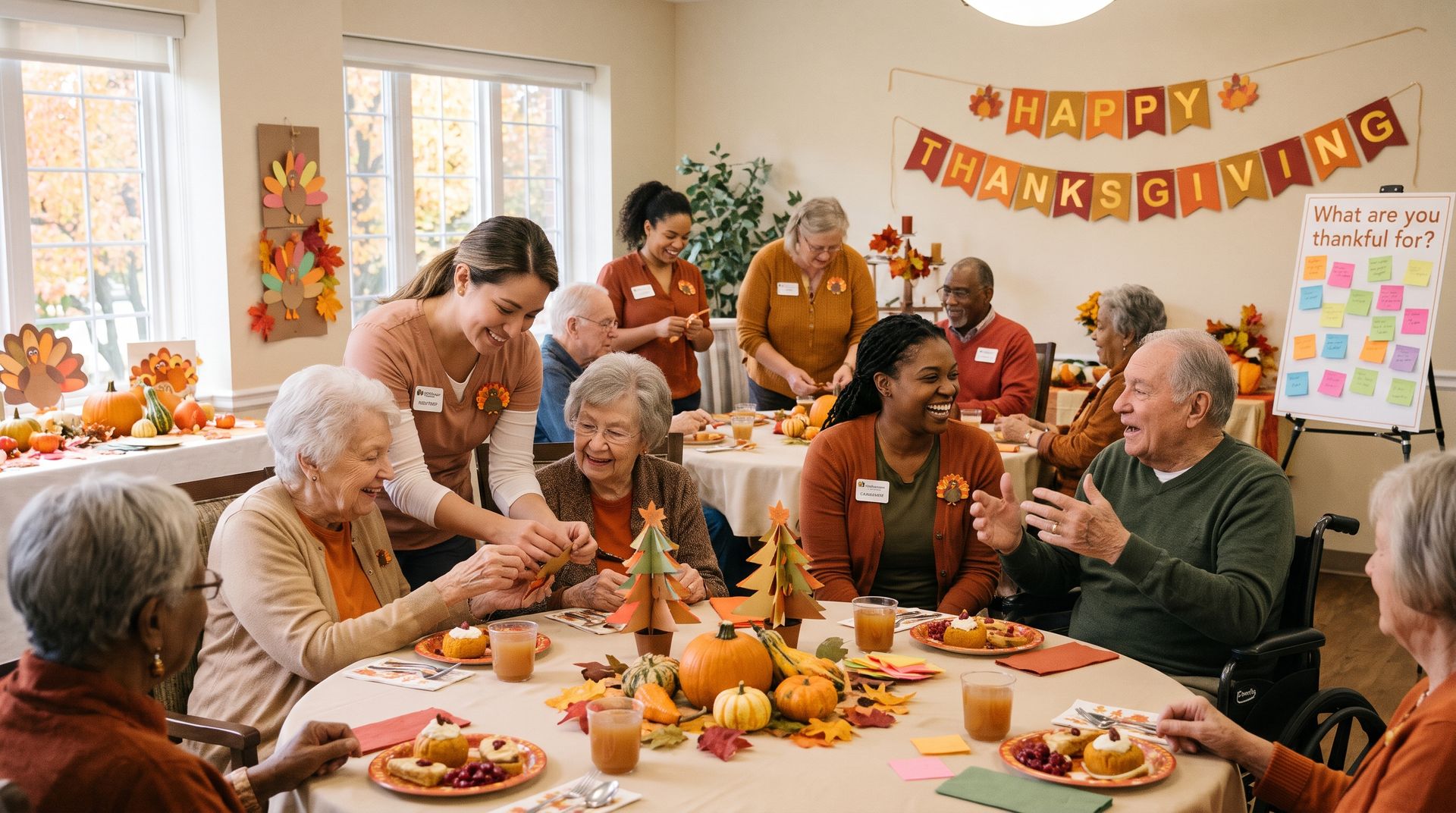
The holiday season is approaching, bringing opportunities to create special memories, celebrate traditions, and make residents feel at home. In senior living and healthcare communities, Thanksgiving can be especially meaningful, yet creating a memorable holiday takes thoughtful planning, creativity, and a dedicated team. As dining and activities teams begin preparing for the season, it's worth remembering that the holidays are about more than elaborate meals or perfectly planned events. Sometimes, the most meaningful celebrations are the simplest ones. Thanksgiving Beyond the Traditional Turkey Dinner A traditional Thanksgiving meal is a wonderful way to celebrate, but there are plenty of other ways to bring the spirit of the holiday into the community. Host a Thanksgiving tasting experience. Offer small portions of seasonal favorites such as cranberry relish, sweet potato dishes, pumpkin desserts, or regional specialties. Residents can sample flavors, share preferences, and reminisce about holiday meals from years past. Celebrate resident traditions. Invite residents to share favorite family recipes, holiday memories, or traditions from their cultural backgrounds. A recipe or story can become the inspiration for a themed snack, dining feature, or community activity. Bring the celebration to residents. For those who prefer a quieter experience or have difficulty attending larger gatherings, consider a small holiday snack cart, a warm seasonal beverage, or a personal visit with a favorite treat. Make food part of the activity. Cookie decorating, assembling simple holiday snacks, or creating a seasonal beverage station can offer residents an opportunity to participate in the celebration rather than simply attend it. Create moments of gratitude. Invite residents and staff to share something they're thankful for. A gratitude wall, table conversation cards, or a simple collection of written messages can help make the holiday feel personal and inclusive. Don't Forget the People Making the Holidays Happen While residents are celebrating, many dining, nursing, activities, and support staff are balancing their responsibilities at work with their own family gatherings and holiday traditions. For some, working a holiday means missing time with loved ones. Others may be managing additional responsibilities, staffing challenges, or the pressure of making everything special for residents. A little appreciation and thoughtful planning can go a long way. Keep celebrations manageable. Not every event needs to be elaborate. Simple, meaningful activities can create memorable experiences without adding unnecessary pressure to already busy teams. Plan ahead and communicate. Early menu planning, clear responsibilities, and shared preparation can help reduce last-minute stress. Recognize the people behind the celebration. A handwritten thank-you, a shared staff treat, a thoughtful note from leadership, or recognition during a team huddle can remind staff that their efforts matter. Make room for flexibility. Consider how celebrations can be spread across several days so residents and staff have more opportunities to participate. Remember that staff are part of the community, too. Creating a welcoming holiday atmosphere means recognizing the people who care for residents every day. Start Planning for the Season Thanksgiving is just the beginning of a busy holiday season. Planning ahead can help dining teams introduce new flavors, celebrate different traditions, and keep menus interesting without reinventing the wheel. RecipeTree's Winter Holiday Collection offers seasonal recipe inspiration to help communities bring new ideas to the table for upcoming celebrations. Whether you're planning a Thanksgiving gathering, a winter social, or a festive seasonal menu, thoughtful recipes and preparation can help make the holidays enjoyable for residents and more manageable for the teams serving them. Meaningful holidays don't require perfect plans or elaborate celebrations. They happen when residents feel included, staff feel appreciated, and everyone has an opportunity to share in the joy of the season.
By RecipeTree.Pro Team • October 28, 2026
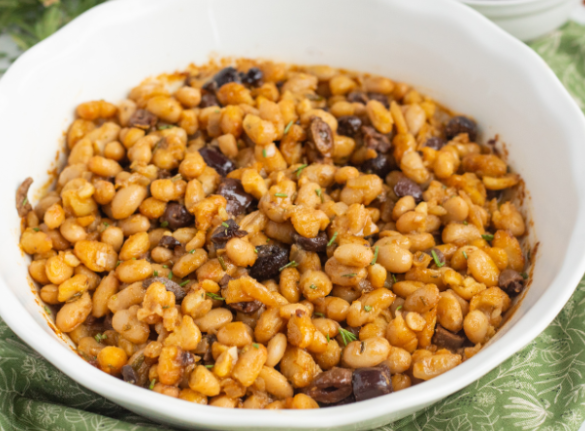
A flavorful and aromatic dish that combines the smokiness of paprika with the earthy notes of rosemary and the salty richness of olives. Download Now
By Lori Reamer, RDN • October 28, 2026
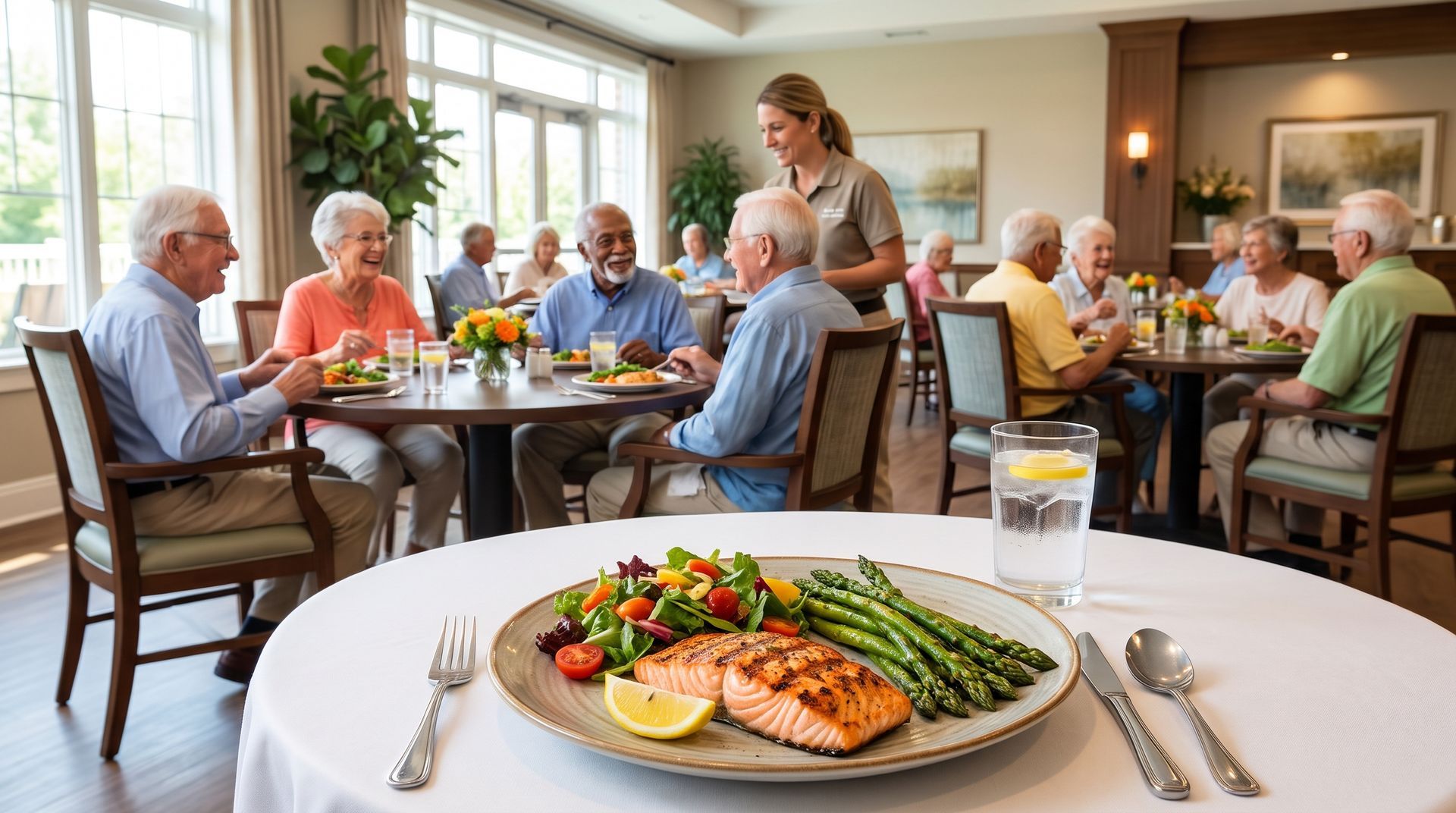
November is National Diabetes Awareness Month, making it an ideal time for senior living and healthcare dining teams to reflect on how menus can support residents' nutritional needs while keeping meals enjoyable. For people living with diabetes, food choices can play an important role in managing blood glucose. But supporting those needs doesn't mean meals have to be bland, repetitive, or less satisfying. The goal is to bring nutrition and enjoyment to the same plate. Start With Flavor, Not Restriction Herbs, spices, garlic, citrus, and other flavorful ingredients can make dishes appealing without relying solely on added sugar or excess salt. Beans, vegetables, whole grains, and other fiber-containing foods can also contribute to a varied menu. A thoughtful approach to ingredients allows dining teams to offer variety while considering carbohydrate content, portion sizes, and each resident's individual nutrition plan. Make Familiar Foods Work Harder Residents shouldn't have to give up enjoyable dining experiences to accommodate their needs. Recipes can be selected and adapted to provide familiar flavors, satisfying textures, and appropriate portions. Beans and other legumes, for example, can be versatile menu ingredients. They provide fiber and plant-based protein while working well in side dishes, soups, salads, and other preparations. Because beans also contain carbohydrates, portion size and the overall meal plan remain important considerations. Consistency Matters in Healthcare Foodservice Standardized recipes help dining teams maintain consistent ingredients, yields, and serving sizes. This supports reliable production and makes it easier to review nutrition information and communicate with the clinical team when a resident has specific dietary requirements. For communities serving residents with diabetes, consistent preparation and appropriate portioning can be important parts of a coordinated dining approach. Keep the Dining Experience Enjoyable Diabetes-friendly dining is about more than individual ingredients. Variety, flavor, cultural preferences, familiar favorites, and the social experience of eating all contribute to a positive relationship with food. Working together, culinary and clinical teams can help create menus that respect individual needs without losing sight of the pleasure of eating. A Recipe to Try This week, consider Smoked Paprika Beans with Rosemary & Olives, a savory bean dish featuring garlic, fresh rosemary, Kalamata olives, and smoked paprika. The recipe provides fiber and plant-based protein, with a measured serving that can fit into appropriate meal planning. It's a reminder that supporting nutrition goals can start with flavorful ingredients and thoughtful preparation.
By Amanda Page, CDM, CFPP • October 14, 2026
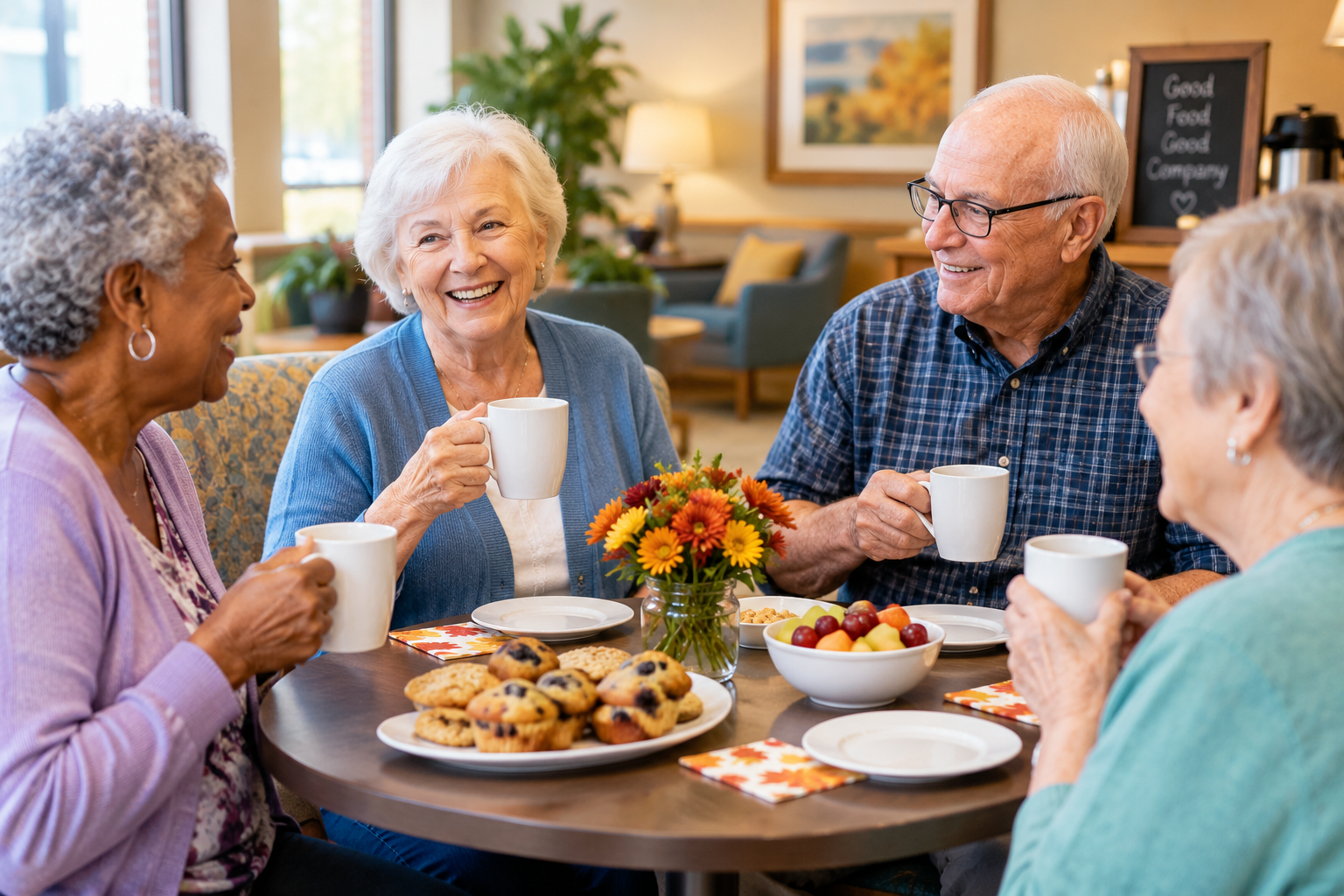
Some of the most meaningful moments around food happen outside traditional mealtimes. A cup of coffee shared with a neighbor, a favorite afternoon snack, or a small group gathering around a seasonal treat can create opportunities for conversation, connection, and enjoyment. In senior living communities, these everyday moments offer dining teams another way to support residents’ well-being while making food an enjoyable part of daily life. Make the Most of In-Between Moments Turn snack time into social time. Instead of treating snacks as something to grab and go, consider offering a relaxed afternoon gathering with fruit, small sandwiches, muffins, or other resident favorites. A simple invitation can encourage residents to leave their rooms and spend time together. Bring residents together through food traditions. A seasonal tasting, cultural food spotlight, or discussion about favorite family recipes can spark memories and conversations. These activities can be simple to organize while giving residents a chance to share their experiences and preferences. Make hydration more inviting. Offer appealing soups and/or beverages such as fruit-infused water, smoothies, or seasonal drinks during social activities. Pairing hydration with a familiar activity or favorite snack can make drinking fluids feel like a natural part of the day. Create opportunities to participate. Decorating cookies, assembling fruit cups, or helping prepare a simple snack can turn food into a shared experience. Adapt activities to residents’ abilities, interests, and dietary needs so everyone has an opportunity to participate. Keep nutrition and food safety in the picture. Informal gatherings still require thoughtful planning. Standardized recipes, appropriate portions, safe food handling, and attention to allergies and prescribed food textures help dining teams provide enjoyable experiences that meet residents’ needs. Small Moments Can Make a Difference You don't need a special event or an elaborate menu to bring people together. Sometimes, it's as simple as offering a favorite snack, setting out a welcoming beverage station, or inviting residents to share a food memory. When dining teams look beyond traditional mealtimes, they create more opportunities to nourish residents, encourage interaction, and make food a meaningful part of everyday life.
By RecipeTree.Pro Team • October 14, 2026
Blend of cinnamon, ginger, nutmeg, clove, allspice and black pepper Download Now
By RecipeTree.Pro Team • October 14, 2026
This Easy Pumpkin Pudding is a creamy, easy-to-prepare dessert that celebrates fall with pumpkin favor and warm spices. It requires just a few pantry ingredients and takes only about 5 minutes to make, making it perfect for a quick autumn treat. The pudding can be served chilled and topped with whipped cream and extra pumpkin pie spice for a festive presentation. Download Now
By RecipeTree.Pro Team • October 8, 2026
These Halloween-themed Ghost Brownies are a spooky and delicious dessert featuring fudgy yet cakey brownies topped with a salty-sweet chocolate glaze and white chocolate ghosts with black icing eyes and mouths. Download Now
Show More