Pumpkin Pudding
RecipeTree.Pro Team • October 14, 2026

This Easy Pumpkin Pudding is a creamy, easy-to-prepare dessert that celebrates fall with pumpkin favor and warm spices. It requires just a few pantry ingredients and takes only about 5 minutes to make, making it perfect for a quick autumn treat. The pudding can be served chilled and topped with whipped cream and extra pumpkin pie spice for a festive presentation.
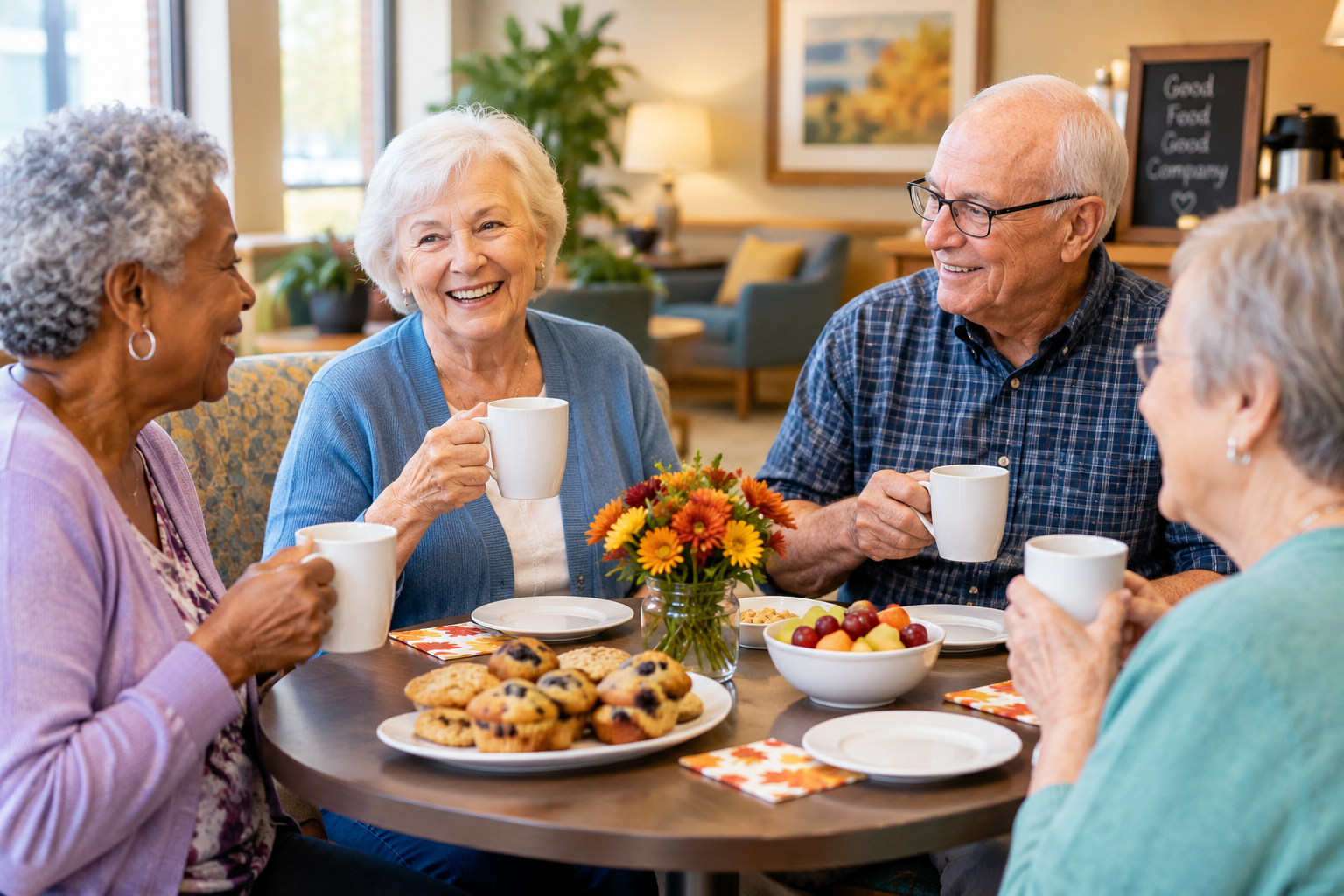
Some of the most meaningful moments around food happen outside traditional mealtimes. A cup of coffee shared with a neighbor, a favorite afternoon snack, or a small group gathering around a seasonal treat can create opportunities for conversation, connection, and enjoyment. In senior living communities, these everyday moments offer dining teams another way to support residents’ well-being while making food an enjoyable part of daily life. Make the Most of In-Between Moments Turn snack time into social time. Instead of treating snacks as something to grab and go, consider offering a relaxed afternoon gathering with fruit, small sandwiches, muffins, or other resident favorites. A simple invitation can encourage residents to leave their rooms and spend time together. Bring residents together through food traditions. A seasonal tasting, cultural food spotlight, or discussion about favorite family recipes can spark memories and conversations. These activities can be simple to organize while giving residents a chance to share their experiences and preferences. Make hydration more inviting. Offer appealing soups and/or beverages such as fruit-infused water, smoothies, or seasonal drinks during social activities. Pairing hydration with a familiar activity or favorite snack can make drinking fluids feel like a natural part of the day. Create opportunities to participate. Decorating cookies, assembling fruit cups, or helping prepare a simple snack can turn food into a shared experience. Adapt activities to residents’ abilities, interests, and dietary needs so everyone has an opportunity to participate. Keep nutrition and food safety in the picture. Informal gatherings still require thoughtful planning. Standardized recipes, appropriate portions, safe food handling, and attention to allergies and prescribed food textures help dining teams provide enjoyable experiences that meet residents’ needs. Small Moments Can Make a Difference You don't need a special event or an elaborate menu to bring people together. Sometimes, it's as simple as offering a favorite snack, setting out a welcoming beverage station, or inviting residents to share a food memory. When dining teams look beyond traditional mealtimes, they create more opportunities to nourish residents, encourage interaction, and make food a meaningful part of everyday life.

Blend of cinnamon, ginger, nutmeg, clove, allspice and black pepper Download Now

These Halloween-themed Ghost Brownies are a spooky and delicious dessert featuring fudgy yet cakey brownies topped with a salty-sweet chocolate glaze and white chocolate ghosts with black icing eyes and mouths. Download Now
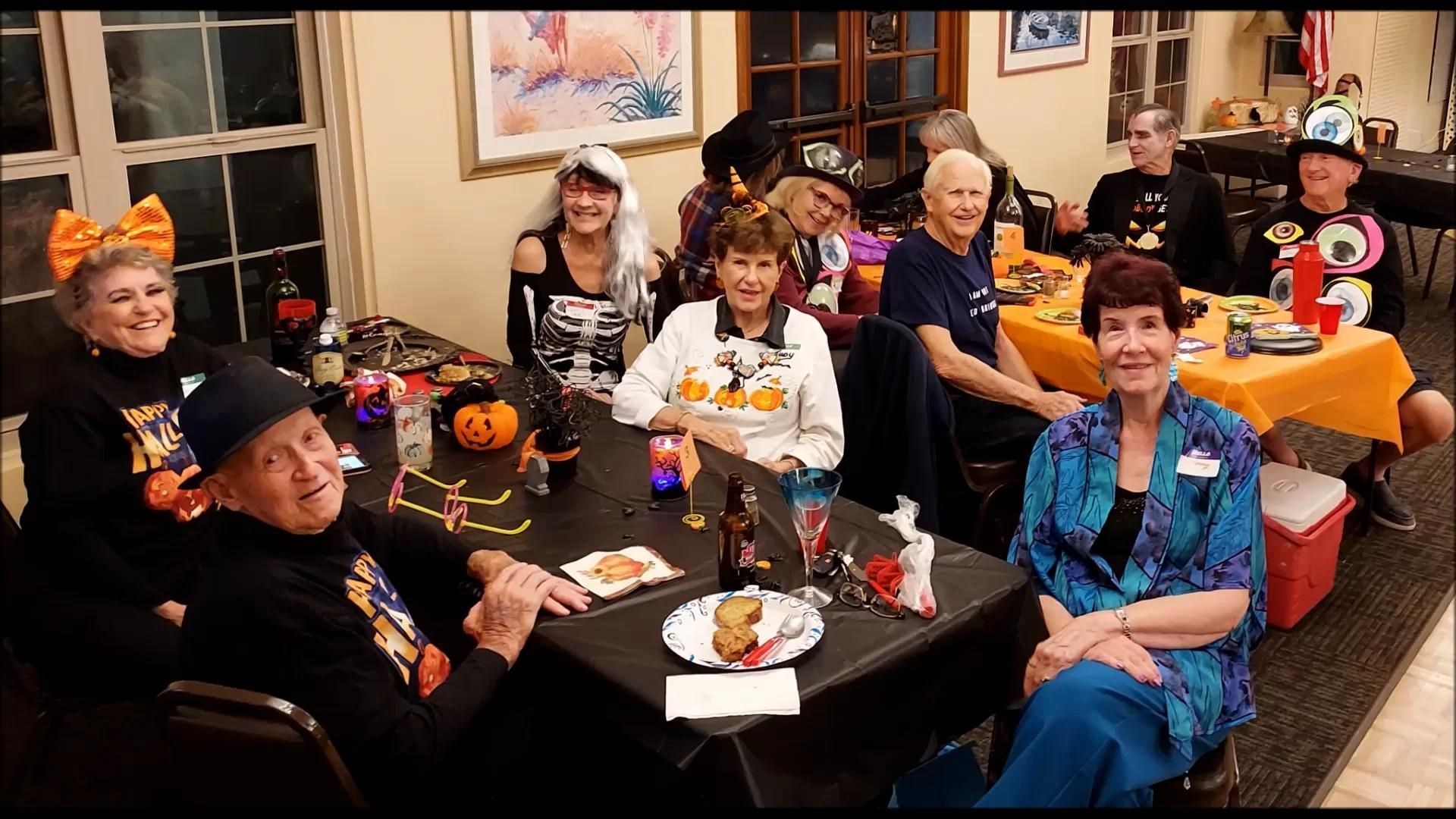
🎃 Happy Halloween! A Little Fun Goes a Long Way! 👻 Holidays and traditions give us something to look forward to and in senior living, they create wonderful opportunities for residents, families, and staff to laugh, connect, and make memories together. Halloween doesn't have to be all tricks and treats. A few thoughtful touches can turn an ordinary day into something special! 🕸️ Make the environment festive: Decorate dining rooms with pumpkins, friendly ghosts, fall colors, and playful centerpieces. 🎶 Set the mood: Play familiar Halloween favorites, seasonal classics, or music from residents' younger years. 🎩 Get everyone involved: Offer festive hats, costume accessories, themed name tags, or a friendly staff costume contest. 🍽️ Have fun with food: Serve themed treats like Ghost Brownies, decorate cookies together, or give familiar menu items a Halloween-inspired name. 🍬 Host a Halloween gathering: Invite families and, where appropriate, local children or community groups for a supervised trick-or-treat event. Create welcoming gathering spaces, plan accessible activities, and coordinate food allergies and safety considerations in advance. Most importantly, make the celebration inclusive. Some residents may love dressing up, while others may prefer music, decorations, familiar treats, or simply watching the fun unfold. The goal isn't a perfect party. It's creating moments of joy and belonging. 🎃 Tell us: What's one Halloween tradition your community looks forward to every year? Share your ideas with us!
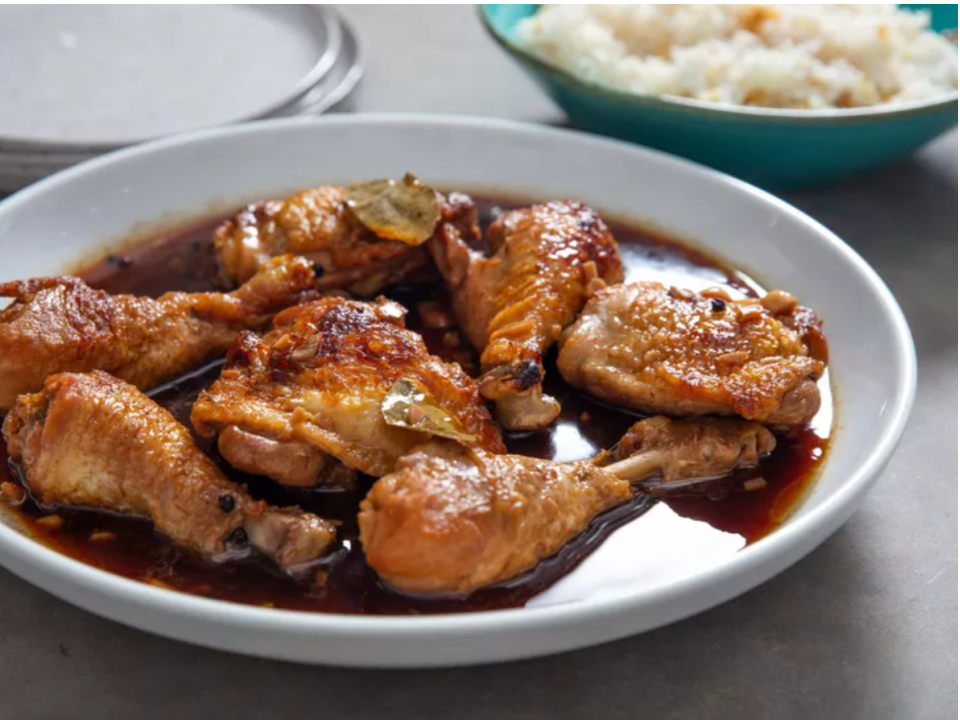
Chicken Adobo is a classic Filipino dish featuring bone-in, skin-on chicken legs braised in a savory and tangy sauce made from soy sauce, rice vinegar, garlic, black peppercorns and bay leaves. The dish is known for its balance of salty and vinegary favors and is traditionally served with steamed white rice or garlic fried rice. Download Now
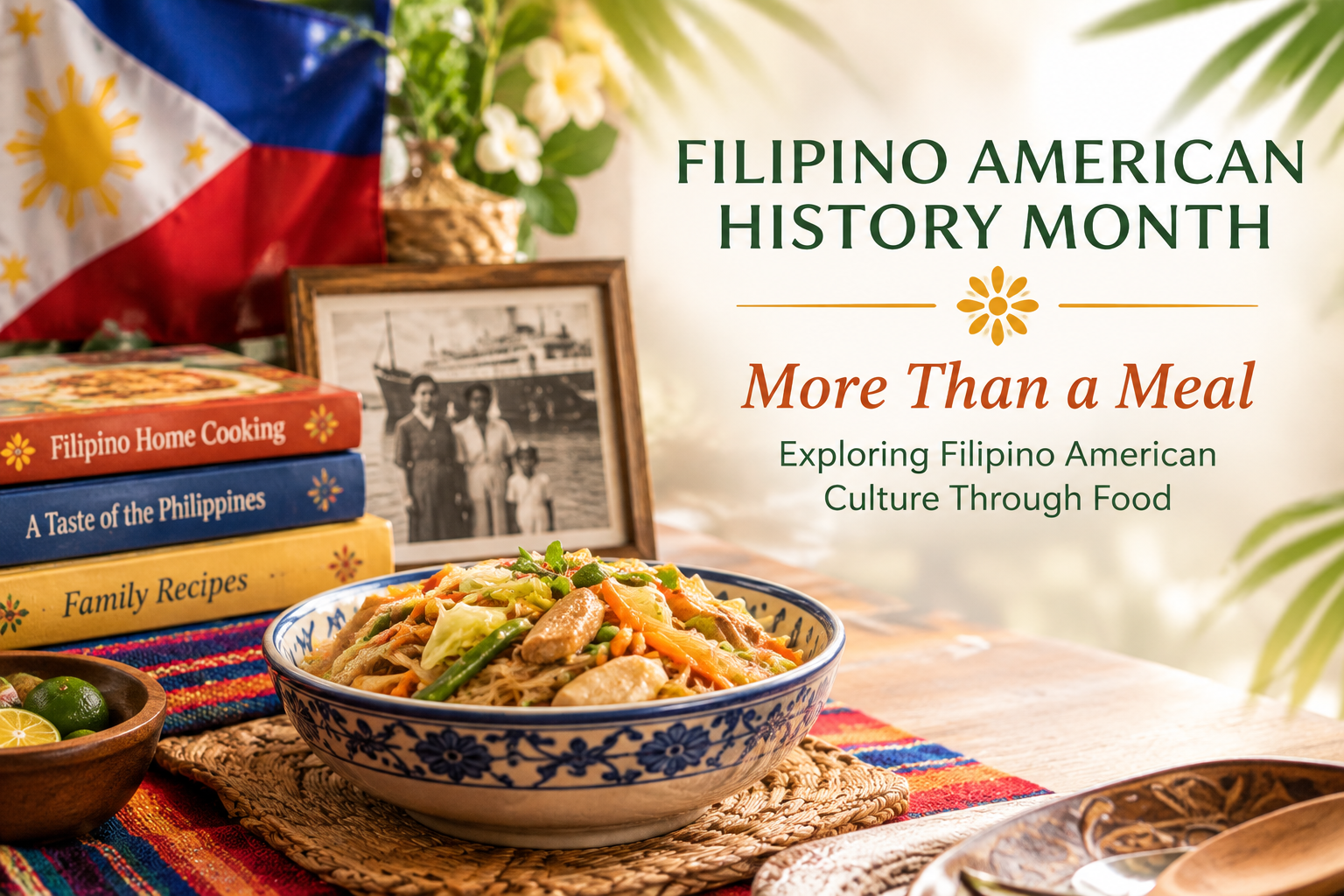
More Than a Meal: Exploring Filipino American Culture Through Food October is Filipino American History Month, a time to recognize the history, culture, experiences, and contributions of Filipino Americans and the many ways they have shaped communities across the United States. At RecipeTree, we’re approaching this month’s cultural spotlight with a simple idea: Filipino American culture isn’t one recipe. It’s thousands of stories. And food can be one of the most meaningful ways to begin listening to those stories. Filipino Culture Isn't One Cuisine It can be tempting during a heritage month to choose a few recognizable dishes, put them on the menu, and call it a cultural celebration. But Filipino American culture and Filipino cuisine is far more diverse than that. The Philippines is made up of thousands of islands and numerous regions, communities, languages, and cultural traditions. Filipino Americans also have different family histories and experiences depending on where their families came from, when they came to the United States, and how their traditions have evolved across generations. That means there isn't one dish that can represent everyone's Filipino experience. A recipe may be connected to a particular region. It may be something a grandmother prepared for birthdays or holidays. It may be a dish a family adapted after moving to the United States. It may be something a resident remembers eating as a child. Or it may simply be a favorite meal that brings back memories of family gathered around the table. The story behind the food matters. What Does That Mean for Senior Living Dining? For senior living and healthcare dining teams, cultural food can be more than an opportunity to add variety to the menu. It can be an opportunity to learn about the people you serve. If you have Filipino American residents in your community, consider starting a conversation: What Filipino foods do you remember from home? Rather than assuming what residents will want, invite them to share their own experiences. You might discover that one resident has a favorite dish from their childhood, while another has a completely different food tradition. One family may have a treasured recipe that has been passed down for generations. Another resident may have a story about adapting a traditional dish after moving to a new part of the country. Those conversations can lead to something much more meaningful than simply adding an entrée to the menu. They can help residents see their own stories reflected in the dining experience. From Family Recipe to Community Recipe Of course, preparing a family recipe for a senior living or healthcare kitchen often requires some adaptation. A recipe that works beautifully for a family of six may need to be scaled for 60 or 600 residents. Ingredients may need to be adjusted. Sodium, carbohydrates, allergens, or other nutritional considerations may need to be addressed. Texture modifications may be necessary for some residents. And the recipe needs to be clear enough that the culinary team can consistently prepare it. That doesn't mean the original recipe or the story behind it needs to disappear. In fact, preserving the original recipe while documenting the healthcare adaptation can help protect both. The goal isn't to standardize the culture. It's to standardize the recipe so the culture can continue to be shared. Keep the Story With the Recipe A familiar recipe, prepared with the story and tradition behind it, can sometimes do something more, it can help someone feel seen, remembered, and at home. This Filipino American History Month, we encourage culinary and dining teams to look beyond the dish itself. Learn the story. Honor the recipe. Preserve it for the future. Because cultural dining isn't simply about serving a different meal. It's about creating opportunities for the people around the table to share who they are.
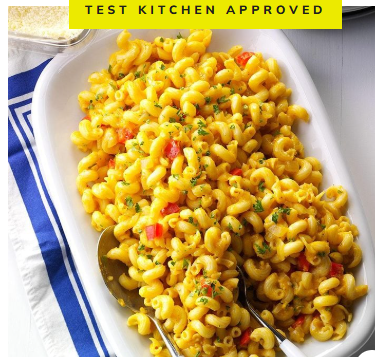
This recipe combines spiral pasta with a creamy pumpkin sauce, vegetables, Parmesan cheese, and warm fall flavors. The original recipe is specifically described as being great for Halloween or autumn meals. Download Now
October is National Cookbook Month , a time traditionally celebrated by rediscovering cookbooks, trying new recipes, and enjoying the experience of cooking from a physical book. And there's something special about a cookbook. Maybe it's the cookbook you received as a wedding gift. A collection passed down from a parent or grandparent. A favorite community cookbook filled with recipes from people you know. Or simply the cookbook you reach for when you're looking for inspiration. Cookbooks have stories. For senior living communities, they can also be a wonderful source of menu inspiration. But once your culinary team finds a recipe they want to use, what happens next? That's where a digital recipe resource can provide tremendous value. 💻 From Inspiration to Implementation A recipe found in a cookbook may have been written for a home kitchen. Your community needs something different. You may need to: Scale a recipe to your census Adjust portions Modify ingredients Identify allergens Calculate nutrition information Add therapeutic diet information Document preparation procedures Add IDDSI texture recommendations Create purchasing and product order information Preserve the recipe so it's available to the next chef or team member A professional digital recipe platform such as RecipeTree gives your team a place to take that inspiration and turn it into something that can actually be used within a healthcare foodservice operation. 📖 Keep the Cookbook, Add the Digital Recipe This isn't about choosing between a physical cookbook and a digital recipe resource. Use them together. Let cookbooks inspire your culinary team. Then bring the recipes you want to use into your standardized digital recipe collection where they can be customized, documented, and scaled to your community's needs. Digital recipes are also easier to find and retrieve. That means a recipe doesn't have to remain locked inside the pages of a cookbook. It can become part of your living recipe collection. 👵 Let Your Residents Be Part of the Inspiration Here's another fun idea for National Cookbook Month: Ask your residents and their families about their favorite cookbooks. You could: 📚 Create a "Resident Favorite Cookbooks" display 🍽️ Ask residents to identify a favorite recipe 👨🍳 Choose recipes from those cookbooks to feature on the menu ❤️ Invite residents to share the story behind a favorite recipe 📝 Preserve particularly meaningful recipes in your community's recipe collection Imagine featuring a dish from a cookbook a resident has owned for 50 years. The meal becomes more than a menu item. It becomes part of that resident's story. Preserve the Inspiration Cookbooks give us inspiration. Chefs give us creativity. Residents give us memories. And a digital recipe platform gives your organization a place to preserve all of it. This National Cookbook Month, pull a cookbook off the shelf. Find something that inspires you. Then consider how you can transform that inspiration into a recipe your community can use, customize, and preserve for years to come. Learn more about preserving your recipes digitally with our Roots subscription .

As the temperatures begin to cool and fall produce starts making its way into the kitchen, there's something especially inviting about a warm, comforting pot pie. Download Now
October 1 is World Vegetarian Day , making this a great time for senior living and healthcare dining teams to take a fresh look at plant-based meals. For some communities, vegetarian options may traditionally be viewed as a special request or an alternative to the "main" meal. But plant-based dining can be so much more. Vegetarian meals can be the main event. A thoughtfully prepared vegetarian entrée can provide color, variety, familiar flavors, seasonal ingredients, and satisfying textures while also giving residents another choice at the table. 🍽️ Start With Familiar Foods Introducing more plant-based meals doesn't mean your culinary team needs to completely reinvent the menu. Start with foods residents already know and enjoy: Hearty soups and stews Vegetable pot pies Pasta dishes Grain bowls Vegetable lasagna Stuffed peppers Bean and rice dishes Vegetable casseroles Savory vegetable patties Then build flavor through herbs, spices, sauces, and seasonal ingredients. 🌱 Make Vegetables the Star One way to make plant-based dining more appealing is to stop thinking of vegetables as simply the accompaniment. Instead, ask: What if the vegetables are the entrée? A combination of roasted root vegetables can become a hearty pot pie. (Stay tuned for Recipe Rescue this week…) Beans and grains can become a flavorful bowl. Seasonal vegetables can become the foundation for a pasta dish. Mushrooms can provide a savory component to a familiar entrée. The goal is to create a meal residents want to choose. 🍂 Let the Seasons Do Some of the Work October is also a natural time to introduce more fall-inspired plant-based meals. Root vegetables, winter squash, apples, pears, leafy greens, and other cool-weather produce can bring seasonal variety to the menu. And as temperatures begin to cool, warm, comforting vegetarian dishes can be particularly inviting. Think: warm + colorful + familiar + flavorful. That's a combination that can appeal to many residents, regardless of whether they typically follow a vegetarian diet. 👵 Consider Your Residents' Preferences Plant-based dining doesn't have to mean moving residents away from familiar foods. Instead, consider how your culinary team can incorporate more plant-based choices while still honoring the foods residents enjoy. Ask residents: "What's your favorite vegetable-based meal?" "What vegetarian dishes did your family make?" "What plant-based meals would you like to see on our menu?" You may uncover family recipes, cultural favorites, and menu ideas your culinary team hadn't considered. World Vegetarian Day is Just One Day. Use October 1 as a starting point—not the finish line. A successful vegetarian entrée can become part of your regular menu rotation. A resident favorite can inspire another recipe. And a seasonal vegetable can give your culinary team an opportunity to change things up throughout the year. Plant-based dining doesn't have to feel like something "different." It can simply be good food, thoughtfully prepared.