More Than a Meal: Exploring Filipino American Culture Through Food

Amanda Page, CDM, CFPP • October 4, 2026

More Than a Meal: Exploring Filipino American Culture Through Food
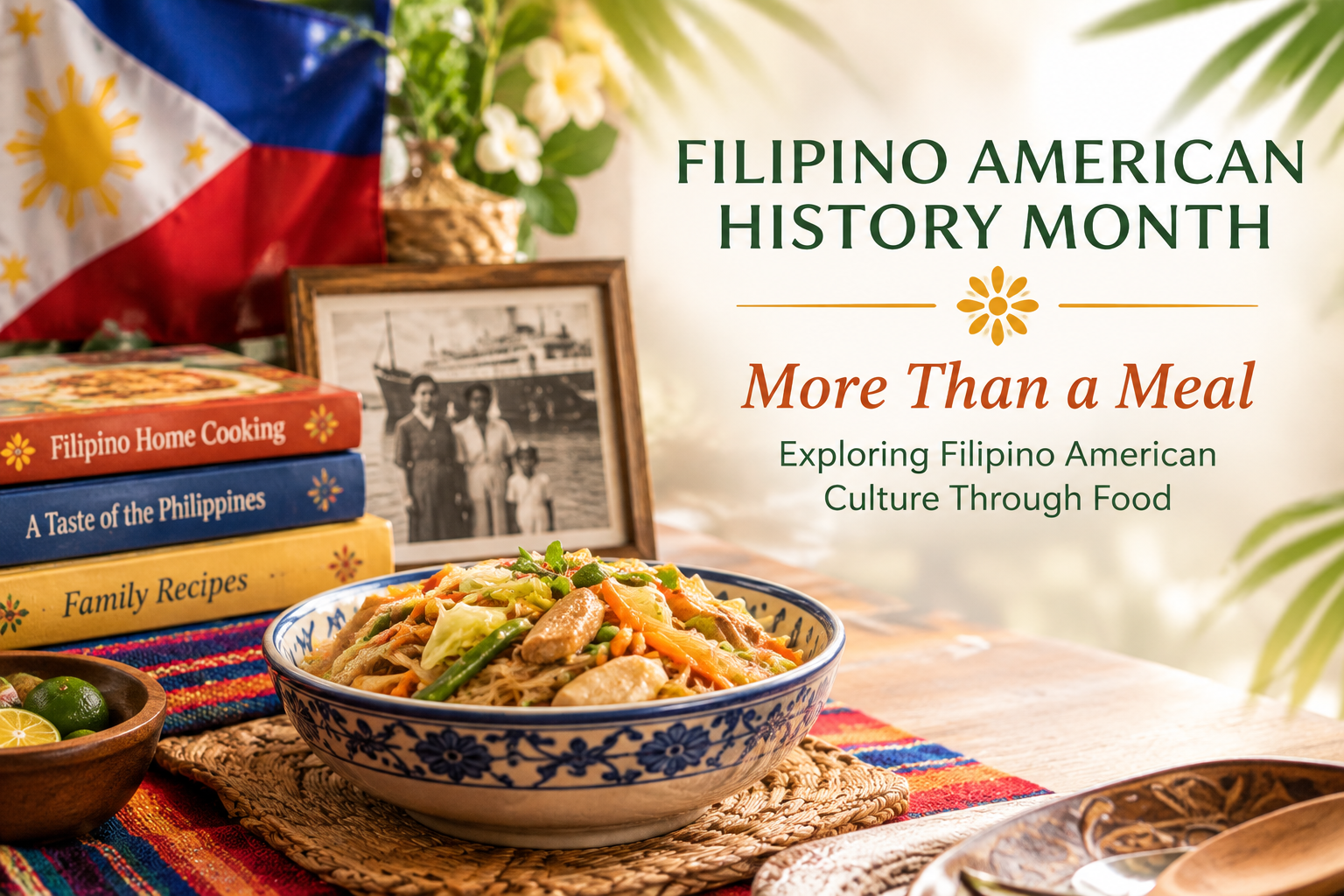

October is Filipino American History Month, a time to recognize the history, culture, experiences, and contributions of Filipino Americans and the many ways they have shaped communities across the United States.


At RecipeTree, we’re approaching this month’s cultural spotlight with a simple idea:


Filipino American culture isn’t one recipe. It’s thousands of stories.


And food can be one of the most meaningful ways to begin listening to those stories.


Filipino Culture Isn't One Cuisine


It can be tempting during a heritage month to choose a few recognizable dishes, put them on the menu, and call it a cultural celebration.


But Filipino American culture and Filipino cuisine is far more diverse than that.


The Philippines is made up of thousands of islands and numerous regions, communities, languages, and cultural traditions. Filipino Americans also have different family histories and experiences depending on where their families came from, when they came to the United States, and how their traditions have evolved across generations.


That means there isn't one dish that can represent everyone's Filipino experience.


A recipe may be connected to a particular region.


It may be something a grandmother prepared for birthdays or holidays.


It may be a dish a family adapted after moving to the United States.


It may be something a resident remembers eating as a child.


Or it may simply be a favorite meal that brings back memories of family gathered around the table.


The story behind the food matters.


What Does That Mean for Senior Living Dining?


For senior living and healthcare dining teams, cultural food can be more than an opportunity to add variety to the menu.


It can be an opportunity to learn about the people you serve.


If you have Filipino American residents in your community, consider starting a conversation:


What Filipino foods do you remember from home?


Rather than assuming what residents will want, invite them to share their own experiences.


You might discover that one resident has a favorite dish from their childhood, while another has a completely different food tradition. One family may have a treasured recipe that has been passed down for generations. Another resident may have a story about adapting a traditional dish after moving to a new part of the country.


Those conversations can lead to something much more meaningful than simply adding an entrée to the menu.


They can help residents see their own stories reflected in the dining experience.


From Family Recipe to Community Recipe


Of course, preparing a family recipe for a senior living or healthcare kitchen often requires some adaptation.


A recipe that works beautifully for a family of six may need to be scaled for 60 or 600 residents. Ingredients may need to be adjusted. Sodium, carbohydrates, allergens, or other nutritional considerations may need to be addressed. Texture modifications may be necessary for some residents.


And the recipe needs to be clear enough that the culinary team can consistently prepare it.


That doesn't mean the original recipe or the story behind it needs to disappear.


In fact, preserving the original recipe while documenting the healthcare adaptation can help protect both.


The goal isn't to standardize the culture.


It's to standardize the recipe so the culture can continue to be shared.


Keep the Story With the Recipe


A familiar recipe, prepared with the story and tradition behind it, can sometimes do something more, it can help someone feel seen, remembered, and at home.


This Filipino American History Month, we encourage culinary and dining teams to look beyond the dish itself.


Learn the story. Honor the recipe. Preserve it for the future.


Because cultural dining isn't simply about serving a different meal.


It's about creating opportunities for the people around the table to share who they are.
By RecipeTree.Pro Team • October 4, 2026
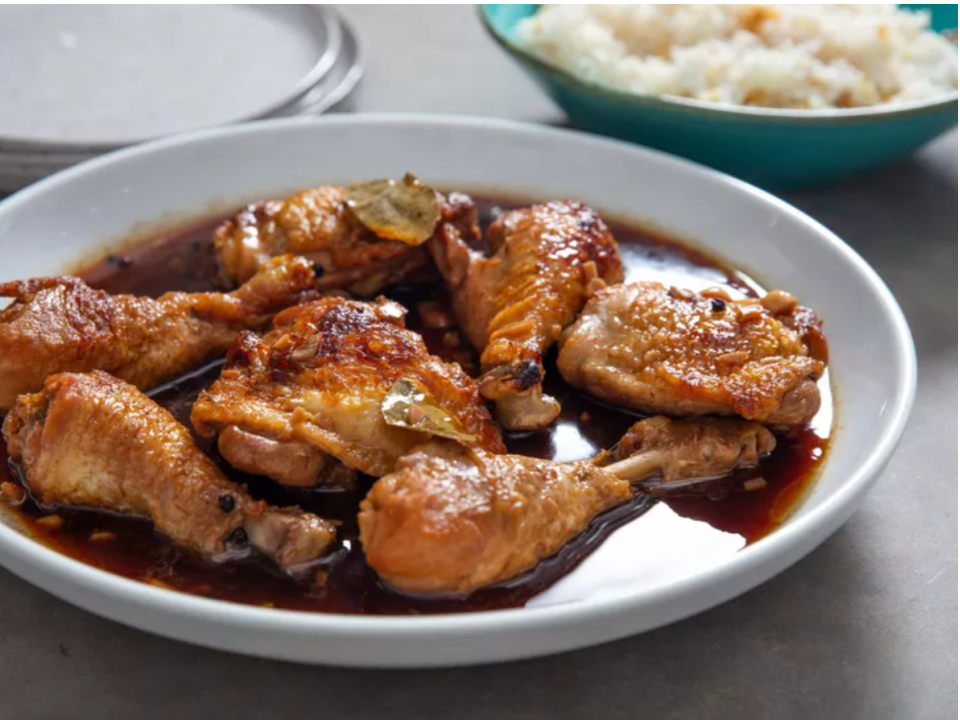
Chicken Adobo is a classic Filipino dish featuring bone-in, skin-on chicken legs braised in a savory and tangy sauce made from soy sauce, rice vinegar, garlic, black peppercorns and bay leaves. The dish is known for its balance of salty and vinegary favors and is traditionally served with steamed white rice or garlic fried rice. Download Now
By RecipeTree.Pro Team • October 1, 2026
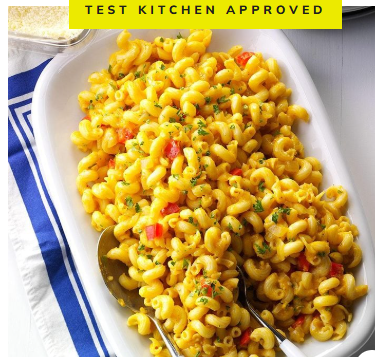
This recipe combines spiral pasta with a creamy pumpkin sauce, vegetables, Parmesan cheese, and warm fall flavors. The original recipe is specifically described as being great for Halloween or autumn meals. Download Now
By Lori Reamer, RDN • October 1, 2026
October is National Cookbook Month , a time traditionally celebrated by rediscovering cookbooks, trying new recipes, and enjoying the experience of cooking from a physical book. And there's something special about a cookbook. Maybe it's the cookbook you received as a wedding gift. A collection passed down from a parent or grandparent. A favorite community cookbook filled with recipes from people you know. Or simply the cookbook you reach for when you're looking for inspiration. Cookbooks have stories. For senior living communities, they can also be a wonderful source of menu inspiration. But once your culinary team finds a recipe they want to use, what happens next? That's where a digital recipe resource can provide tremendous value. 💻 From Inspiration to Implementation A recipe found in a cookbook may have been written for a home kitchen. Your community needs something different. You may need to: Scale a recipe to your census Adjust portions Modify ingredients Identify allergens Calculate nutrition information Add therapeutic diet information Document preparation procedures Add IDDSI texture recommendations Create purchasing and product order information Preserve the recipe so it's available to the next chef or team member A professional digital recipe platform such as RecipeTree gives your team a place to take that inspiration and turn it into something that can actually be used within a healthcare foodservice operation. 📖 Keep the Cookbook, Add the Digital Recipe This isn't about choosing between a physical cookbook and a digital recipe resource. Use them together. Let cookbooks inspire your culinary team. Then bring the recipes you want to use into your standardized digital recipe collection where they can be customized, documented, and scaled to your community's needs. That means a recipe doesn't have to remain locked inside the pages of a cookbook. It can become part of your living recipe collection. 👵 Let Your Residents Be Part of the Inspiration Here's another fun idea for National Cookbook Month: Ask your residents and their families about their favorite cookbooks. You could: 📚 Create a "Resident Favorite Cookbooks" display 🍽️ Ask residents to identify a favorite recipe 👨‍🍳 Choose recipes from those cookbooks to feature on the menu ❤️ Invite residents to share the story behind a favorite recipe 📝 Preserve particularly meaningful recipes in your community's recipe collection Imagine featuring a dish from a cookbook a resident has owned for 50 years. The meal becomes more than a menu item. It becomes part of that resident's story. Preserve the Inspiration Cookbooks give us inspiration. Chefs give us creativity. Residents give us memories. And a digital recipe platform gives your organization a place to preserve all of it. This National Cookbook Month, pull a cookbook off the shelf. Find something that inspires you. Then consider how you can transform that inspiration into a recipe your community can use, customize, and preserve for years to come.
By RecipeTree.Pro Team • September 23, 2026
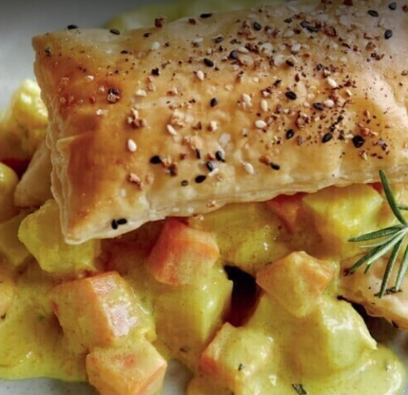
As the temperatures begin to cool and fall produce starts making its way into the kitchen, there's something especially inviting about a warm, comforting pot pie. Download Now
By Lori Reamer, RDN • September 23, 2026
October 1 is World Vegetarian Day , making this a great time for senior living and healthcare dining teams to take a fresh look at plant-based meals. For some communities, vegetarian options may traditionally be viewed as a special request or an alternative to the "main" meal. But plant-based dining can be so much more. Vegetarian meals can be the main event. A thoughtfully prepared vegetarian entrée can provide color, variety, familiar flavors, seasonal ingredients, and satisfying textures while also giving residents another choice at the table. 🍽️ Start With Familiar Foods Introducing more plant-based meals doesn't mean your culinary team needs to completely reinvent the menu. Start with foods residents already know and enjoy: Hearty soups and stews Vegetable pot pies Pasta dishes Grain bowls Vegetable lasagna Stuffed peppers Bean and rice dishes Vegetable casseroles Savory vegetable patties Then build flavor through herbs, spices, sauces, and seasonal ingredients. 🌱 Make Vegetables the Star One way to make plant-based dining more appealing is to stop thinking of vegetables as simply the accompaniment. Instead, ask: What if the vegetables are the entrée? A combination of roasted root vegetables can become a hearty pot pie. (Stay tuned for Recipe Rescue this week…) Beans and grains can become a flavorful bowl. Seasonal vegetables can become the foundation for a pasta dish. Mushrooms can provide a savory component to a familiar entrée. The goal is to create a meal residents want to choose. 🍂 Let the Seasons Do Some of the Work October is also a natural time to introduce more fall-inspired plant-based meals. Root vegetables, winter squash, apples, pears, leafy greens, and other cool-weather produce can bring seasonal variety to the menu. And as temperatures begin to cool, warm, comforting vegetarian dishes can be particularly inviting. Think: warm + colorful + familiar + flavorful. That's a combination that can appeal to many residents, regardless of whether they typically follow a vegetarian diet. 👵 Consider Your Residents' Preferences Plant-based dining doesn't have to mean moving residents away from familiar foods. Instead, consider how your culinary team can incorporate more plant-based choices while still honoring the foods residents enjoy. Ask residents: "What's your favorite vegetable-based meal?" "What vegetarian dishes did your family make?" "What plant-based meals would you like to see on our menu?" You may uncover family recipes, cultural favorites, and menu ideas your culinary team hadn't considered. World Vegetarian Day is Just One Day. Use October 1 as a starting point—not the finish line. A successful vegetarian entrée can become part of your regular menu rotation. A resident favorite can inspire another recipe. And a seasonal vegetable can give your culinary team an opportunity to change things up throughout the year. Plant-based dining doesn't have to feel like something "different." It can simply be good food, thoughtfully prepared.
By Amanda Page, CDM, CFPP • September 10, 2026
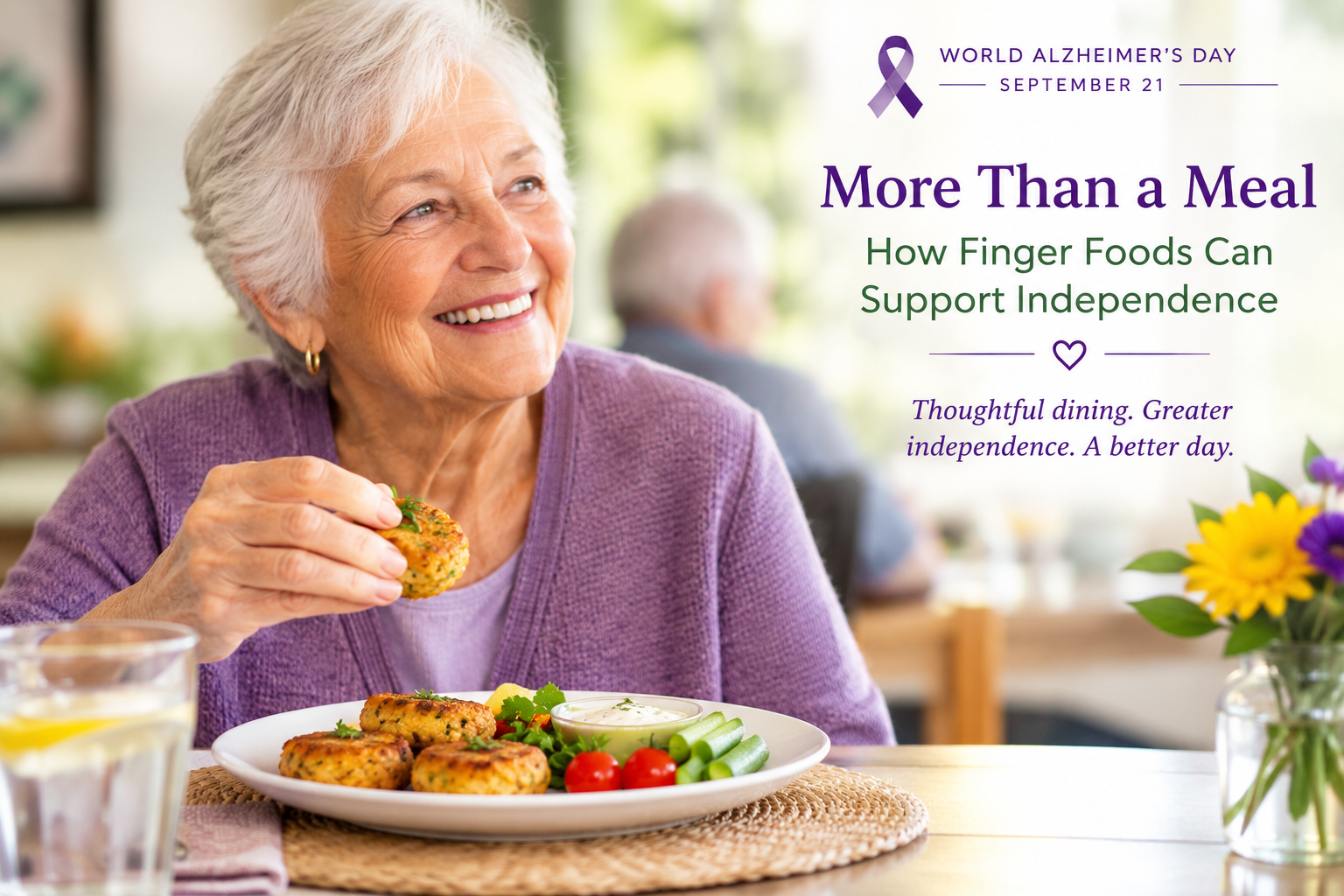
September 21 is World Alzheimer’s Day , an opportunity to raise awareness of Alzheimer’s disease and dementia and to recognize the millions of people and families affected around the world. It also provides an important opportunity for senior living and healthcare dining teams to consider how the dining experience can better support residents living with dementia. One area worth considering is something we don't always think about when planning menus: How are we helping residents feed themselves? As Alzheimer's disease progresses, familiar tasks including using utensils can become more difficult. A resident may still want to eat independently but struggle to coordinate a fork or spoon. That's where finger foods can become more than a menu option. They can be a tool for maintaining independence. 🍽️ Finger Foods Can Put Residents Back in Control The Alzheimer's Association recommends serving finger foods as one strategy for encouraging independence during the middle stages of Alzheimer's. Examples include bite-sized foods that are easy to pick up, such as sandwiches, fish sticks, vegetables, and other handheld foods. Instead of focusing solely on "Can the resident use a fork?" , consider asking: "How can we make it easier for this resident to feed themselves?" That small shift in perspective can make a meaningful difference. ❤️ Dignity Matters Being able to pick up a piece of food, bring it to your mouth, and eat independently is something many of us take for granted. For residents who can safely manage finger foods, maintaining that ability can help preserve a sense of choice, autonomy, and dignity. And finger foods don't have to mean serving the same few items over and over. Think Beyond Chicken Nuggets Consider how familiar meals can be transformed into handheld options: 🍗 Chicken pieces or meatballs 🥪 Sandwiches and wraps 🥔 Potato cakes 🍚 Rice patties 🥕 Roasted or steamed vegetables prepared appropriately 🥞 Pancakes or waffles 🍳 Egg bites 🍕 Pizza squares 🧀 Cheese and soft accompaniments Even a traditional meal can sometimes be reimagined into a finger-food format. But Finger Foods Still Need to Be Safe This is an important distinction for healthcare dining. Finger food does not automatically mean appropriate for every resident. A resident's swallowing ability, chewing ability, diet order, and individual care plan must always be considered. For residents with dysphagia or other swallowing difficulties, food texture and consistency need to be determined and prepared according to the individual's clinical recommendations. The Alzheimer’s Association also notes that swallowing problems can occur in the middle and later stages of Alzheimer's and recommends adapting foods to make them easier to chew and swallow. 👩‍🍳 This Is Where Your Culinary Team Comes In Creating successful finger foods requires culinary creativity. Take a familiar recipe. Look at its ingredients and preparation. Then ask: Can we change the shape? Can we change the presentation? Can we make it easier to pick up? Can we maintain the flavor and nutritional value while changing the format? This is where standardized recipes can be particularly valuable. A recipe can provide a consistent foundation while allowing your culinary team to create different presentations for different dining needs. The Goal Isn't Just to Make Food Easier to Eat. It's to make the dining experience more inclusive. Because when a resident can safely pick up their food and feed themselves, we're giving them more than a meal. We're giving them an opportunity to participate.  This World Alzheimer's Day, let's look at the dining experience through the eyes of the resident and ask how we can create more opportunities for independence, dignity, and enjoyment at the table. EXPLORE RECIPE IDEAS FOR SENIOR DINING →
By Amanda Page, CDM, CFPP • September 10, 2026
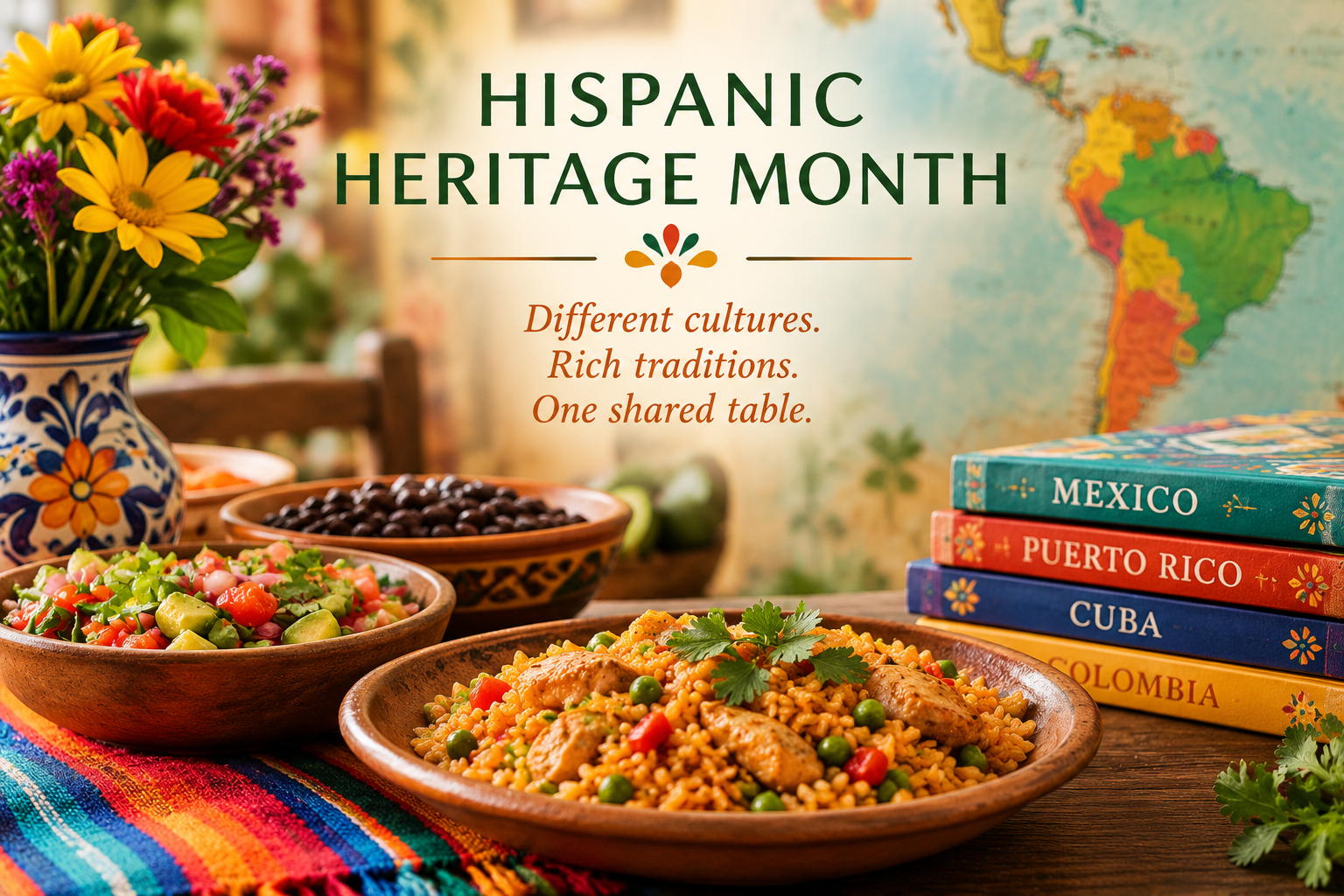
National Hispanic Heritage Month, celebrated September 15 through October 15 , is an opportunity to recognize the histories, cultures, and contributions of Hispanic communities. For senior living and healthcare dining teams, it can also be an opportunity to explore something particularly powerful: Food as a connection to culture. Food can tell us where we come from. It can remind us of family celebrations, childhood memories, holidays, travel, and traditions passed from one generation to the next. But when celebrating Hispanic Heritage Month, there's an important distinction to remember: There is no single "Hispanic cuisine." The foods and traditions of Mexico are different from those of Puerto Rico. Cuban cuisine has its own history and traditions. So does Salvadoran, Colombian, Venezuelan, Peruvian, Argentinean, Dominican, and many other culinary cultures. That's what makes this month such a great opportunity for senior living communities. Rather than trying to represent an entire culture with one meal, choose a specific country, region, dish, or culinary tradition to spotlight. Learn about it. Share its story. Prepare a recipe inspired by it. And invite residents to experience it together. Make the Meal the Beginning of the Conversation A culturally inspired meal can be much more than something placed on a menu. Consider asking residents: Have you ever visited this country or region? Have you tried this dish before? Does this food remind you of anything from your childhood or travels? What Hispanic or Latin American foods would you like to see on our menu? These conversations can help turn a meal into a meaningful dining experience. This Month, Go Deeper Throughout Hispanic Heritage Month, consider spotlighting several different cultures rather than creating one generalized "Hispanic menu." For example: Mexico — Explore regional dishes, ingredients, and traditions. Puerto Rico — Highlight dishes such as arroz con gandules or plantains. Cuba — Explore familiar favorites such as Cuban sandwiches, black beans, and rice. El Salvador — Introduce residents to pupusas and their cultural significance. Venezuela — Feature arepas and explore their role in Venezuelan cuisine. Peru — Explore the country's diverse ingredients and culinary traditions. Argentina — Highlight foods such as empanadas, grilled meats, or chimichurri. The goal isn't to become an expert on every cuisine. It's to be curious, intentional, and respectful. Food Can Help Us Connect For residents who have personal connections to these cultures, a cultural food experience may feel familiar and meaningful. For others, it can provide an opportunity to discover something new. And for everyone, it can create a reason to gather around the table and share a conversation. This Hispanic Heritage Month, don't just celebrate a cuisine. Celebrate a culture. Tell its story. Share its food. And let the dining table become a place where residents can connect with both familiar traditions and new experiences.  EXPLORE CULTURAL DINING RESOURCES →
By RecipeTree.Pro Team • September 10, 2026
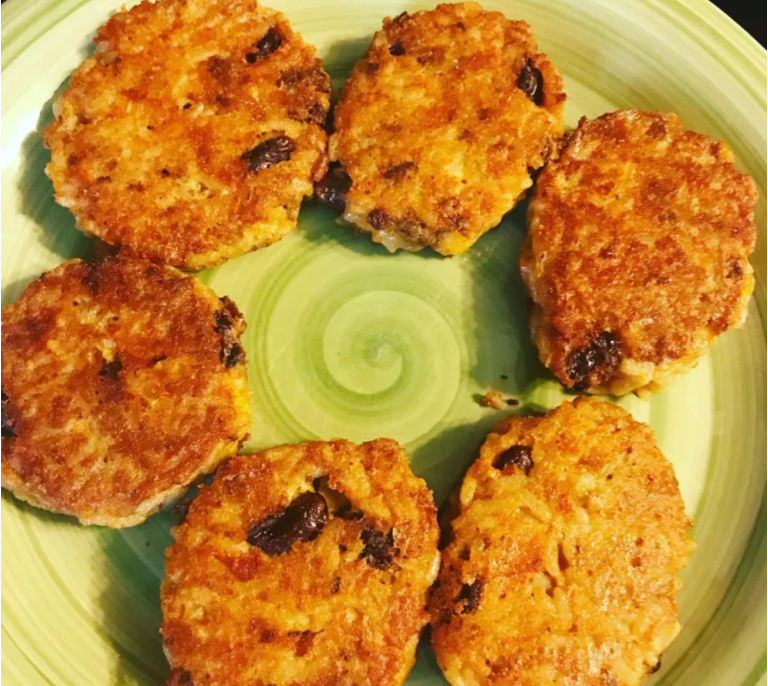
This rice patty recipe uses leftover rice mixed with onion, cheese, egg, andseasonings, pan-fried until crunchy for a savory vegetarian side dish. Download Now
By RecipeTree.Pro Team • September 10, 2026
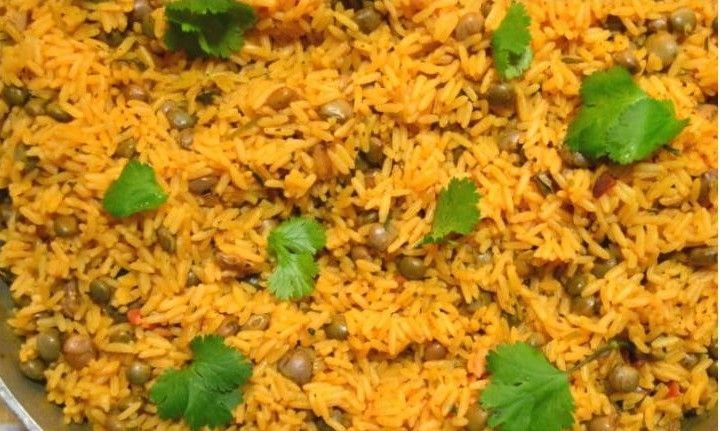
Arroz Con Gandules is a traditional Puerto Rican dish made with rice, pigeon peas, and aromatic sofrito. This flavorful dish is a staple in Puerto Rican cuisine and is perfect for family gatherings and celebrations. Download Now
By Lori Reamer, RDN • September 9, 2026
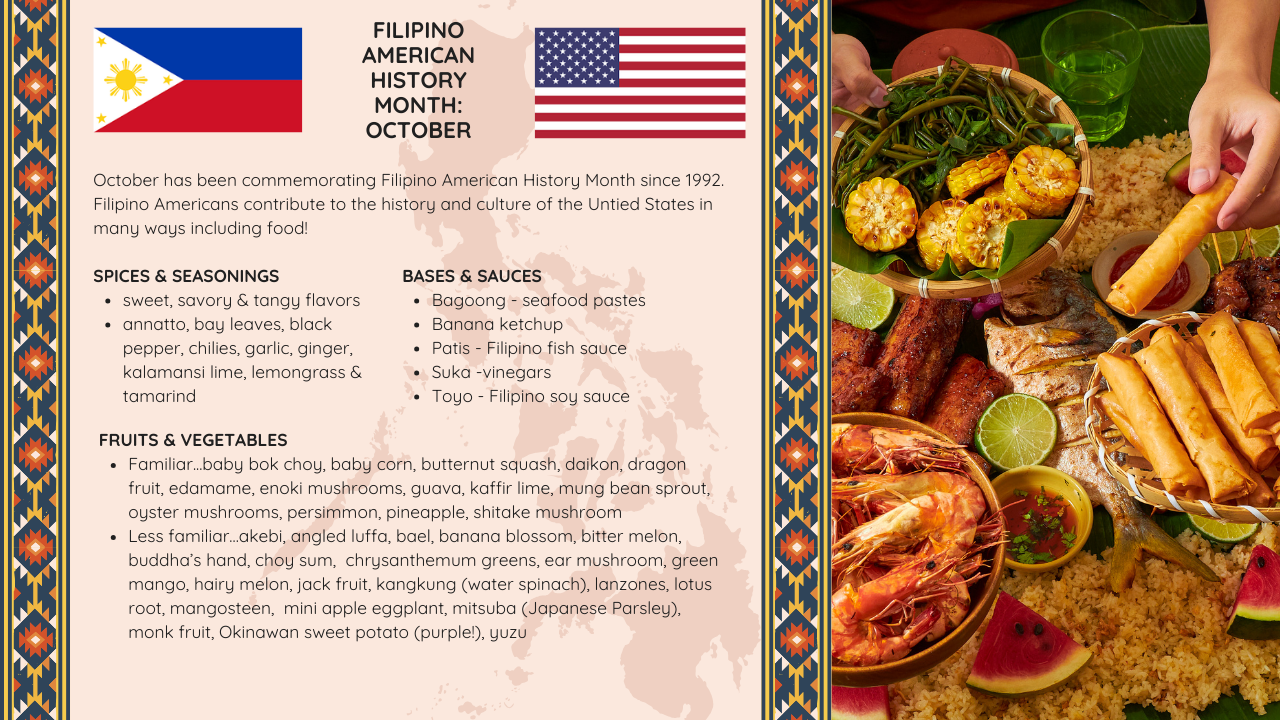
Each October, Filipino American History Month offers an opportunity to recognize the many contributions Filipino Americans have made to the history, culture, and communities of the United States. Food is one especially meaningful way to celebrate this rich heritage. For senior living and healthcare dining teams, exploring Filipino flavors can create engaging menu moments, encourage cultural connection, and introduce residents to new ingredients in an approachable way. Whether your community includes Filipino residents, team members, family members, or simply residents who enjoy trying new foods, Filipino-inspired dishes can bring warmth, variety, and conversation to the table. A Flavor Profile Built on Sweet, Savory, and Tangy Notes Filipino cuisine is known for its balance of sweet, savory, tangy, and sometimes spicy flavors. Many dishes layer familiar ingredients in distinctive ways, making this cuisine both comforting and exciting for residents. Common spices and seasonings include annatto, bay leaves, black pepper, chilies, garlic, ginger, calamansi lime, lemongrass, and tamarind. These ingredients can be used to build flavor in soups, rice dishes, proteins, vegetables, marinades, and sauces. Sauces and condiments also play an important role in Filipino cooking. Bagoong, a seafood paste; banana ketchup; patis, or Filipino fish sauce; suka, or vinegar; and toyo, or Filipino soy sauce, each contribute depth and character to dishes. Introducing one of these ingredients through a familiar recipe can be an approachable way to help residents experience a new flavor profile. Familiar Ingredients, New Possibilities Many fruits and vegetables used in Filipino cuisine may already be familiar to your culinary team. Baby bok choy, baby corn, butternut squash, daikon, dragon fruit, edamame, enoki mushrooms, guava, mung bean sprouts, oyster mushrooms, persimmons, pineapple, and shiitake mushrooms can all be incorporated into menus in creative ways. Other ingredients may be less familiar but offer opportunities for culinary exploration. Bitter melon, banana blossom, green mango, jackfruit, kangkung (water spinach), lotus root, mangosteen, Okinawan purple sweet potatoes, and yuzu can add variety, color, texture, and cultural relevance to menus. When introducing unfamiliar ingredients, begin with a familiar preparation. For example, feature purple sweet potatoes in a mashed potato-style side dish, add pineapple to a chicken entrée, or incorporate bok choy into a soup or stir-fry. Small introductions can build confidence and curiosity among residents. Nutrition Principles That Feel Familiar The Filipino daily nutrition guide and the U.S. MyPlate model share several important similarities. Both encourage filling half the plate with fruits and vegetables, one-quarter with grains, and one-quarter with lean protein. Both also recognize the importance of water and regular movement as part of a balanced lifestyle. This shared foundation can make Filipino-inspired menu items a natural fit within healthcare and senior living dining programs. A balanced plate might include grilled or braised chicken, a vegetable-rich side, rice or another grain, and a fruit-based dessert or beverage option. Bringing Filipino Flavors to Your Community Celebrating Filipino American History Month does not have to mean completely changing your menu. It can begin with curiosity, conversation, and a few thoughtful additions. Consider visiting a local Filipino restaurant or market with members of your food and nutrition team. Experiencing the aromas, ingredients, and menu offerings firsthand can inspire ideas for your own community. Restaurant and market owners may also be willing to share recommendations for dishes, ingredients, or flavor combinations that would translate well to senior dining. If your community has Filipino residents, invite them to share favorite foods, family recipes, or special memories connected to meals. Their insights can help guide menu selections and create a more personal, meaningful celebration. A tasting demonstration is another engaging option. Feature a few spices, sauces, fruits, or vegetables and invite residents to sample them in simple preparations. Start with familiar foods and add one new flavor at a time. For example, offer roasted vegetables with a tangy calamansi-inspired dressing or a savory soy and garlic sauce. Supporting IDDSI Texture-Modified Diets With Flavorful Sauces Sauces can be especially valuable when incorporating Filipino-inspired flavors into IDDSI texture-modified menus. They add moisture, support appropriate texture, and help make pureed or minced and moist foods more appealing. A smooth garlic, ginger, soy, or tamarind-inspired sauce can bring flavor to pureed vegetables, grains, seafood, or poultry. As with all texture-modified recipes, communities should ensure that finished items are prepared and tested to meet the appropriate IDDSI level. Flavor does not need to be sacrificed when adapting foods for therapeutic or texture-modified diets. In fact, sauces may be one of the simplest and most effective ways to introduce new flavor profiles while supporting both enjoyment and safety. Kain Tayo: Let’s Eat! Food has a unique ability to connect people to culture, memory, and one another. This Filipino American History Month, consider how your dining program can celebrate Filipino heritage through ingredients, stories, tasting opportunities, and menu inspiration. Whether you begin with a familiar vegetable, a flavorful sauce, or a resident’s favorite dish, each effort can help create a more inclusive and engaging dining experience. Kain tayo! Let’s eat!
Show More