By Lori Reamer, RDN
•
September 9, 2026
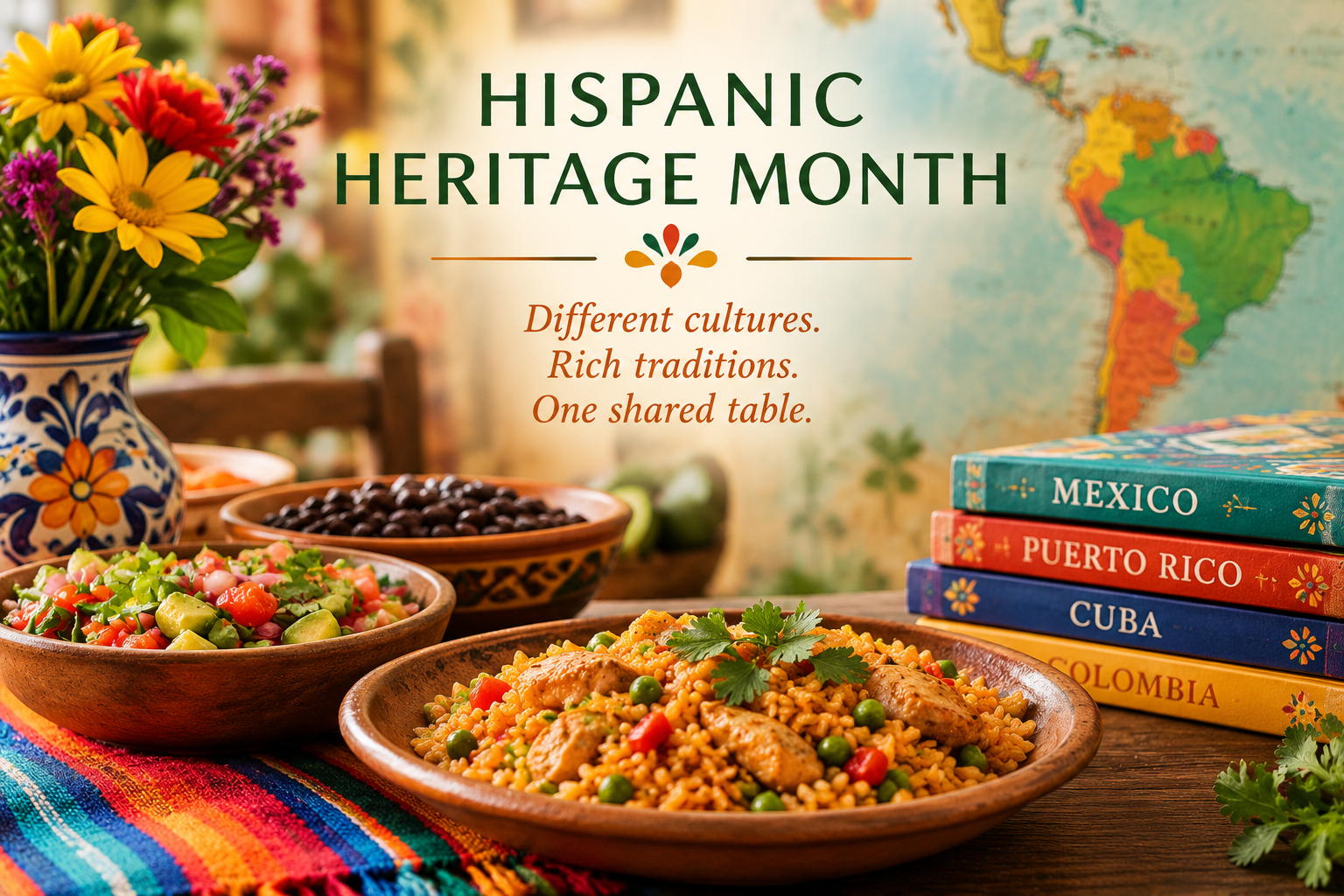
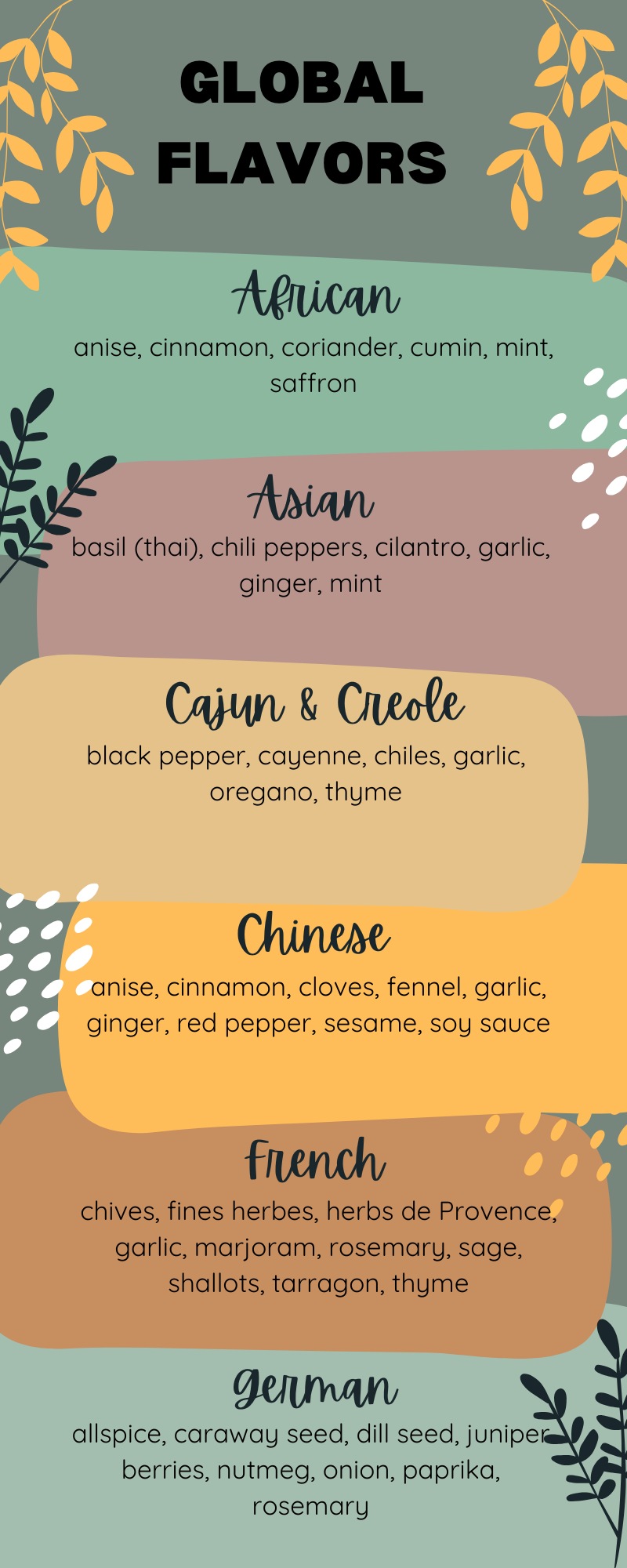
Food is much more than nourishment. It's identity, tradition, comfort, and connection. A single bite of a familiar dish can evoke cherished memories of family gatherings, holidays, childhood kitchens, and cultural celebrations. In senior living communities, these connections become even more meaningful. As our aging population becomes increasingly diverse, incorporating global flavors into menus is no longer simply a culinary trend, it's an essential component of person-centered care. Why Culturally Familiar Foods Matter Residents enter senior living with a lifetime of food traditions. Meals that reflect their cultural heritage can foster comfort, encourage social engagement, and improve overall satisfaction with dining. For many older adults, familiar foods provide a sense of belonging and normalcy during a significant life transition. They can also stimulate positive memories, making meals more enjoyable and encouraging better nutritional intake. For residents living with dementia, culturally familiar foods may have an even greater impact. While short-term memory often declines, long-term memories frequently remain intact. Familiar aromas, flavors, and traditional recipes can spark recognition, reduce anxiety, and create meaningful moments during mealtimes. Building Flavor Through Authentic Herbs and Spices One of the easiest ways to introduce global cuisine is by using the herbs and spices that define each culinary tradition. Rather than relying solely on salt, authentic seasonings add depth, aroma, and character while helping create recognizable flavor profiles. For example: African cuisine often features anise, cinnamon, coriander, cumin, mint, and saffron. Asian cooking highlights Thai basil, chili peppers, cilantro, garlic, ginger, and mint. Chinese cuisine incorporates anise, cloves, fennel, garlic, ginger, sesame, soy sauce, and red pepper. French dishes are known for herbs such as thyme, rosemary, tarragon, sage, marjoram, chives, and shallots. German cuisine commonly includes caraway seed, dill seed, juniper berries, paprika, rosemary, and nutmeg. Greek recipes often combine lemon, garlic, oregano, rosemary, mint, fennel, and bay leaf. Indian cuisine builds complex flavor with cardamom, cloves, coriander, cumin, curry, garlic, ginger, nutmeg, and red pepper. Italian cooking emphasizes basil, garlic, oregano, rosemary, sage, thyme, fennel, and marjoram. Mexican dishes feature chile peppers, cilantro, cumin, garlic, oregano, lime, and coriander. Middle Eastern and Moroccan cuisines layer warm spices like cinnamon, cloves, coriander, cumin, saffron, fenugreek, thyme, and ginger. Spanish cuisine often includes paprika, saffron, garlic, parsley, bay leaf, cumin, and cinnamon. Swedish recipes highlight dill, cardamom, mustard, allspice, bay leaf, cinnamon, and nutmeg. Thai cuisine combines chile peppers, citrus, coriander, garlic, mint, dill, and turmeric. These signature ingredients help transform familiar menu items into authentic dining experiences that celebrate residents' heritage. Creating Inclusive Menus Serving culturally familiar foods begins with understanding your residents. Nutrition professionals and culinary teams should work together to learn each resident's cultural background, favorite meals, religious considerations, and family traditions. Simple additions can make a meaningful difference: Feature global entrées on rotating menus. Celebrate cultural holidays with traditional recipes. Offer authentic side dishes and seasonings. Invite residents and families to share treasured family recipes. Incorporate herbs and spices that reflect residents' backgrounds while maintaining appropriate therapeutic diet modifications. These efforts demonstrate respect for each resident's life story while creating opportunities for conversation and community around the dining table. Food as Person-Centered Care Person-centered dining goes beyond meeting nutritional requirements; it honors the whole person. When residents recognize the flavors of their heritage, meals become more than routine. They become opportunities to reconnect with cherished memories, celebrate lifelong traditions, and preserve cultural identity. For senior living communities, embracing global flavors is an investment in quality of life. It enhances resident satisfaction, supports nutritional intake, encourages social engagement, and creates dining experiences that truly feel like home. Because every resident has a story to tell and often, that story begins around the family table.