Compliance Starts with the Recipe: Why Standardized Recipes Matter in Healthcare Dining
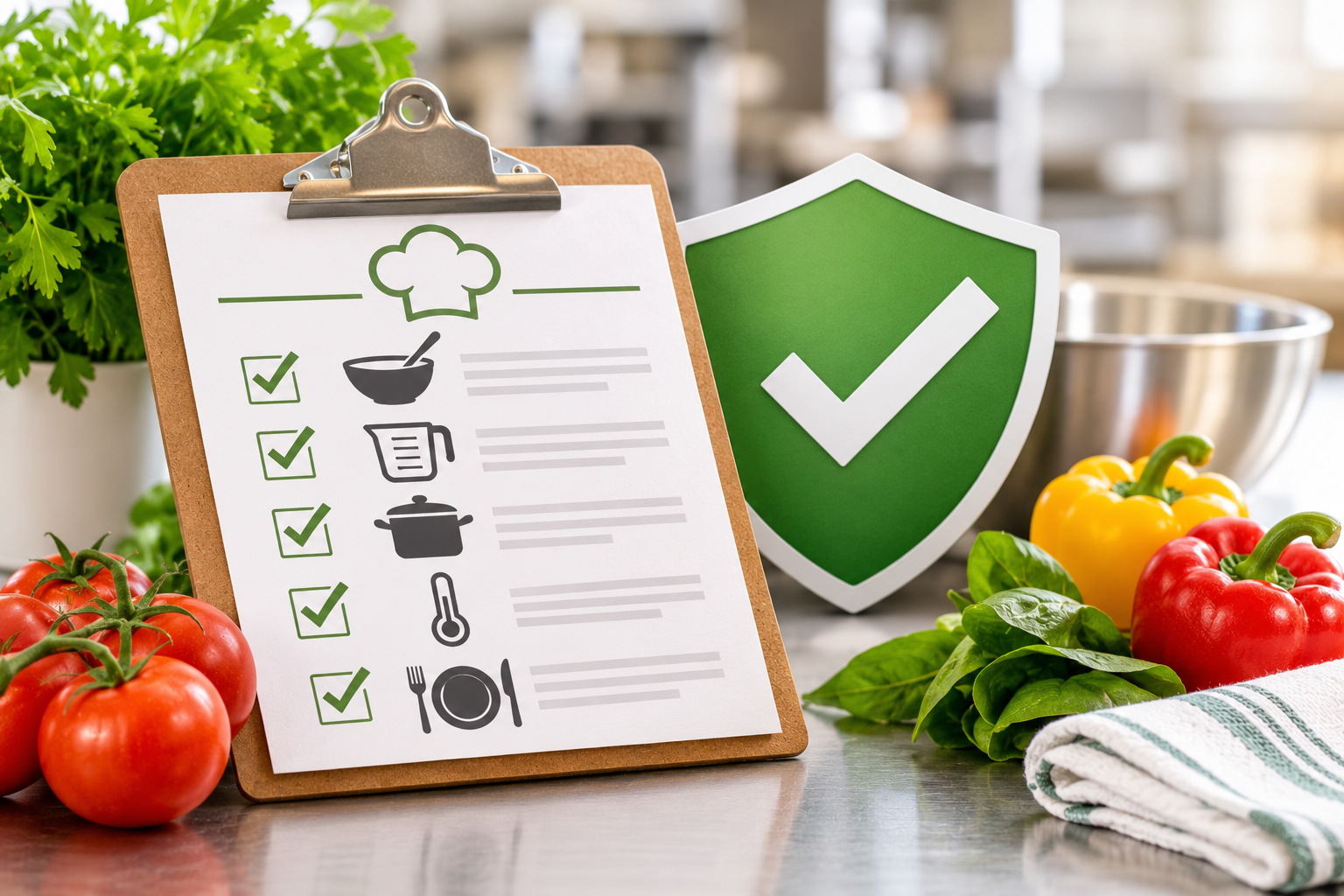
In healthcare and senior living dining, a recipe is much more than a list of ingredients and cooking instructions. It is an important tool that helps dining teams provide consistent, safe, and appropriate meals for the people they serve.
From food safety and portion control to allergen management and therapeutic diet requirements, standardized recipes play an important role in supporting daily foodservice operations.
Yet many dining programs continue to rely on handwritten recipes, informal instructions, recipes that have been modified without documentation, or preparation methods that vary from one employee to another.
This month, we're exploring why standardized recipes matter and how they can help dining teams improve consistency, support compliance, and simplify everyday operations.
What Is a Standardized Recipe?
A standardized recipe is a recipe that has been adjusted to consistently produce the same quality, quantity, and expected results when followed as written.
Unlike a general recipe found online or in a cookbook, a standardized recipe is designed for repeatable production in a foodservice environment.
A well-developed standardized recipe typically includes:
- Clearly quantified ingredients
- Preparation and cooking instructions
- Yield and serving information
- Portion sizes
- Equipment and production guidance
- Food safety considerations
- Relevant allergen information
- Dietary and texture-modification recommendations, when applicable
When recipes are standardized, the entire team has a consistent reference for preparing and serving a dish.
This helps reduce uncertainty and creates a more dependable process from ingredient preparation through service.
Standardized Recipes and Compliance
Compliance in healthcare foodservice involves many areas, including food safety, sanitation, allergen management, therapeutic diets, and appropriate food preparation.
Standardized recipes support these efforts by providing documented instructions that employees can follow consistently.
1. Food Safety and HACCP
Food safety depends on more than knowing how to prepare a dish. Employees must understand the appropriate handling, preparation, cooking, cooling, reheating, and holding procedures for the foods they serve.
Standardized recipes can incorporate critical control points and food safety guidance into the preparation process.
When appropriate CCPs and HACCP-related instructions are documented directly within the recipe, employees have a clear reference for important food safety steps.
This can help reinforce established procedures and support more consistent execution across shifts.
2. Allergen Awareness and Cross-Contact Prevention
Food allergies require careful attention to ingredients, substitutions, labeling, and cross-contact prevention.
A standardized recipe provides a documented ingredient list that can help dining teams identify potential allergens and evaluate ingredient substitutions.
When recipes are modified without documentation, important ingredient information can be overlooked.
Maintaining accurate recipes and following established allergen-control procedures helps support safer food preparation and service.
3. Therapeutic Diet Consistency
Healthcare and senior living dining programs often prepare meals for individuals with specific nutritional or therapeutic needs.
Standardized recipes help ensure that ingredients, preparation methods, and portions remain consistent with the intended recipe and dietary guidance.
When therapeutic diet recommendations are incorporated into recipes, staff have a clearer reference for preparing appropriate menu items.
This is particularly important when recipes are modified for conditions such as diabetes or cardiovascular health.
Dietary suitability should always be reviewed against the individual's needs and the facility's policies.
4. Texture-Modified Diets and IDDSI
For residents and patients who require texture-modified foods, consistency is especially important.
A recipe that produces a different texture from one preparation to the next can create challenges for both dining staff and the individuals receiving the meal.
Standardized recipes can include preparation guidance and texture recommendations to help teams produce more consistent results.
However, recipe documentation alone does not establish that a food meets an IDDSI level. The finished food must still be tested according to the appropriate IDDSI methods and facility procedures.
The Importance of Following the Recipe as Written
Even a well-standardized recipe cannot provide consistent results if it is not followed.
Common challenges in foodservice include:
- Ingredient substitutions without recipe updates
- Inconsistent measuring methods
- Changes in portion sizes
- Adjustments to cooking times or temperatures
- Recipes that are scaled incorrectly
- Different preparation methods across shifts
These small changes can affect more than the taste or appearance of a dish.
They may influence yield, food cost, nutritional content, allergen information, food safety procedures, and the suitability of a recipe for specific dietary needs.
Standardized recipes provide a foundation for consistency, but ongoing training, supervision, and recipe review are also essential.
Building a Stronger Recipe Foundation
A dependable recipe system begins with accurate, organized, and accessible recipes.
Dining teams should regularly review their recipe collections to ensure that recipes are current, instructions are clear, and ingredient information is accurate.
Consider asking these questions about your recipe database:
- Are employees using the same approved recipe?
- Are ingredients and quantities clearly documented?
- Are yields and portion sizes accurate?
- Are food safety instructions included where appropriate?
- Are allergens and dietary recommendations clearly identified?
- Are recipe changes reviewed and documented?
- Can employees easily find the recipes they need?
If the answer to several of these questions is no, it may be time to evaluate your recipe management process.
Start with Standardized Recipes
Standardized recipes are an important part of a well-managed healthcare foodservice operation.
They help establish consistency, support food safety practices, improve portion control, and provide a dependable reference for employees preparing meals for residents and patients.
Throughout December, we'll be exploring the many ways standardized recipes can support healthcare and senior living dining programs.
At RecipeTree, we believe a strong recipe foundation makes it easier for dining teams to focus on what matters most: preparing enjoyable, appropriate, and meaningful meals for the people they serve.
Because compliance starts with the recipe.