It Feels Good to Be Home: Bringing Comfort and Familiarity to the Senior Living Dining Table
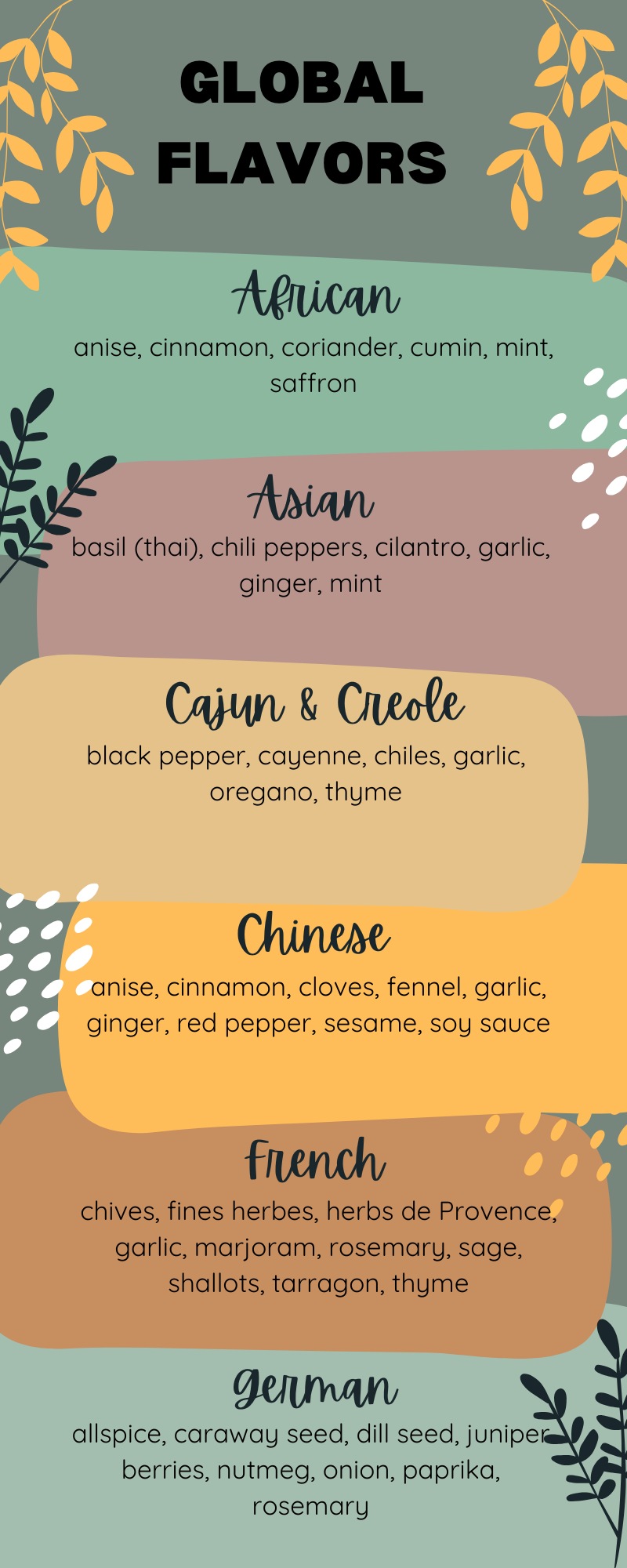
For the past few weeks, we've encouraged communities to take their menus on vacation—to explore cultural foods, new flavors, and culinary adventures from around the world.
But after every good trip...
It feels good to come home.
For senior living communities, the idea of “home” can be especially meaningful. A resident's home may have changed, but the foods, flavors, smells, and traditions that made that home special can remain powerful connections to the past.
That makes comfort food much more than a menu category.
It can be a connection to memory, family, tradition, and identity.
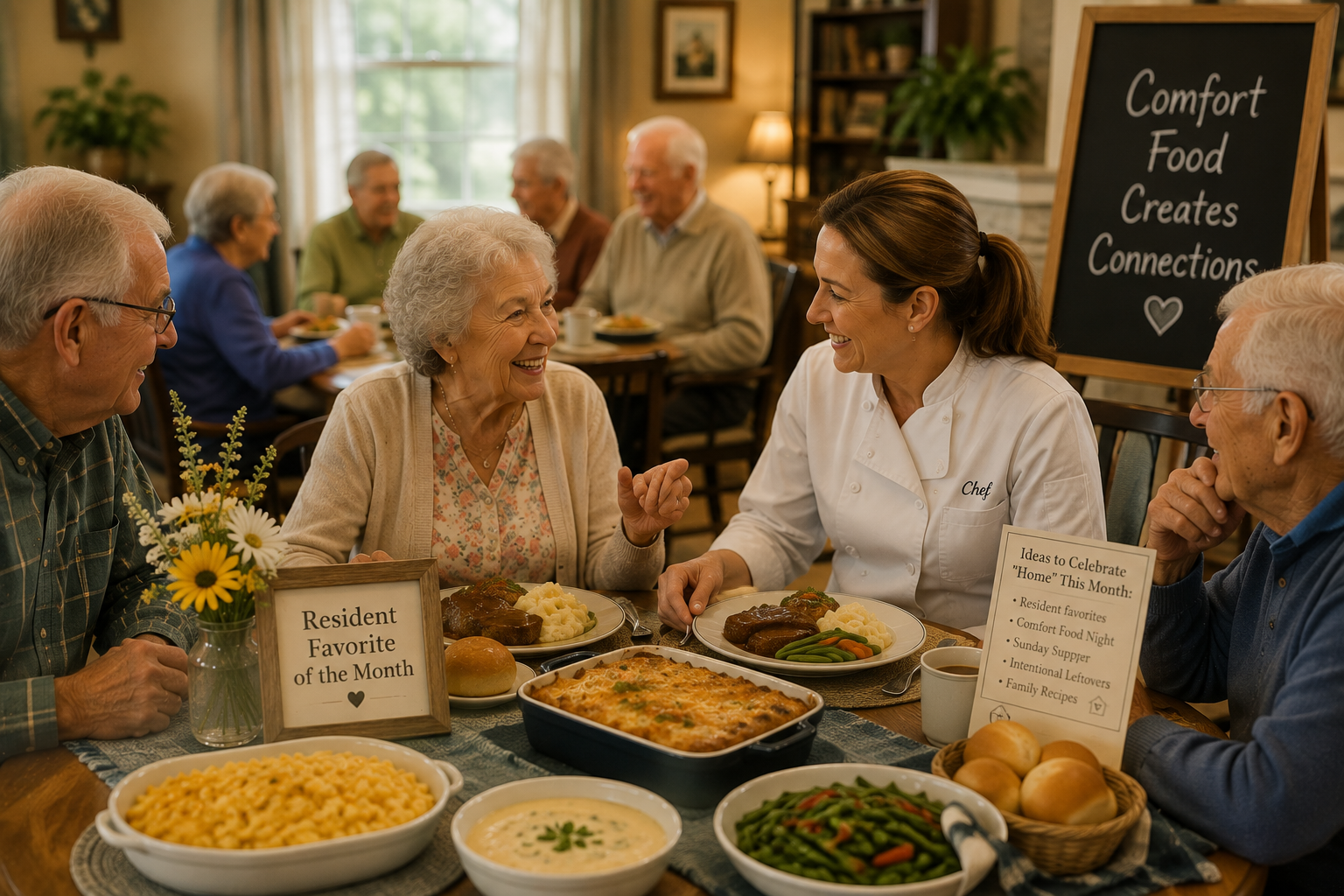
❤️ Make Residents Part of the Menu
One of the easiest ways to bring the feeling of home into your dining program is to ask residents what foods make them feel at home.
Consider conducting informal resident interviews or adding a question to your next resident dining survey:
“What meal reminds you most of home?”
You may hear answers like:
- Mom's meatloaf
- Chicken and dumplings
- Macaroni and cheese
- Pot roast
- Apple pie
- Lasagna
- Fried chicken
- Tomato soup and grilled cheese
- A favorite family casserole
Then turn those answers into menu inspiration.
👵 Feature a Resident's Favorite
Create a “Resident Favorite” or “From Our Residents' Kitchens” feature.
Each month, select a resident and feature their favorite meal.
You could share:
“This month's favorite comes from Mary, who says her mother's meatloaf was always the centerpiece of Sunday dinner.”
Serve the meal, share the story, and invite other residents to join in.
Now you've created more than a menu item.
You've created a conversation.
🍽️ Create a Comfort Food Night
Dedicate one meal each month to familiar favorites.
Think:
Comfort Food Night
- Meatloaf
- Mashed potatoes
- Green beans
- Dinner rolls
- Apple crisp
Or:
Sunday Supper
- Roast chicken
- Gravy
- Mashed potatoes
- Seasonal vegetables
- Homemade dessert
These don't have to be elaborate events. The familiarity of the food is the feature.
🥪 Think Beyond the Original Meal
Comfort food can also provide opportunities for creative menu planning.
For example, intentionally prepare enough meatloaf for a second-day application.
Day 1: Meatloaf with mashed potatoes and vegetables.
Day 2: Meatloaf sandwich with a side salad.
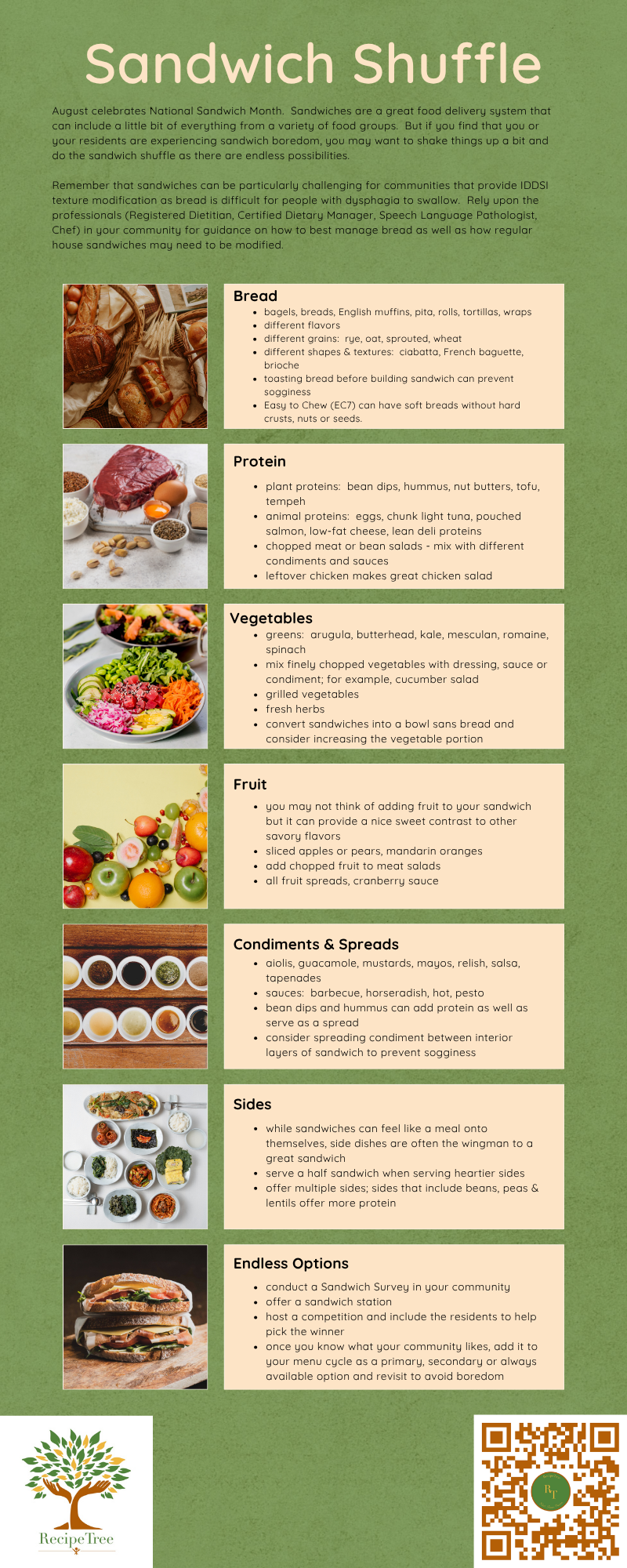
August is National Sandwich Month, making this a particularly timely opportunity to think about how familiar entrées can become new menu experiences.
Intentional leftovers can help reduce waste while giving residents another meal to look forward to.
👨🍳 Give Your Culinary Team Room to Create
Comfort food doesn't have to mean boring food.
Your culinary team can take familiar dishes and give them a fresh presentation or subtle twist.
Think:
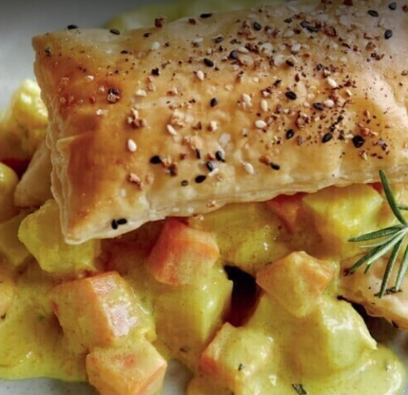
- Mini chicken pot pies
- Individual shepherd's pies
- Open-faced meatloaf sandwiches
- Elevated grilled cheese
- Seasonal vegetables alongside traditional entrées
- Familiar desserts served in individual portions
The goal isn't to reinvent everything.
It's to refresh the familiar.
🏠 Balance Adventure With Home
Introducing residents to new cultures and flavors is an important part of creating an engaging dining program.
But variety doesn't mean every meal needs to be adventurous.
A strong menu can have both:
✈️ Culinary Adventure
New flavors, cultural recipes, seasonal ingredients, and chef-inspired creations.
🏠 The Comfort of Home
Familiar favorites, resident recipes, traditional meals, and foods that evoke memories.
That balance can help make a dining program feel both interesting and reassuring.
At RecipeTree.Pro, we believe standardized recipes give culinary teams the foundation to do both maintaining consistency while creating opportunities to introduce new recipes, refresh familiar favorites, and respond to what residents actually want to eat.
Because sometimes the most meaningful meal on the menu isn't the newest one.
It's the one that tastes like home.