🌿 One Spice Cabinet, Endless Possibilities: Creating Flavorful Seasoning Blends
Keeping menus fresh and interesting doesn't always require new ingredients.
Sometimes, the answer is already in your spice cabinet.
In honor of Spice Blend Day, we're exploring how common herbs and spices can be combined to create seasoning blends that transform familiar proteins, vegetables, grains, and other menu items.
The concept is simple:
Keep the ingredients. Keep the process. Change the flavor.
By combining a few common spices into a standardized seasoning blend, culinary teams can create different flavor profiles without significantly increasing labor or changing their entire menu.
Start With Common Spices
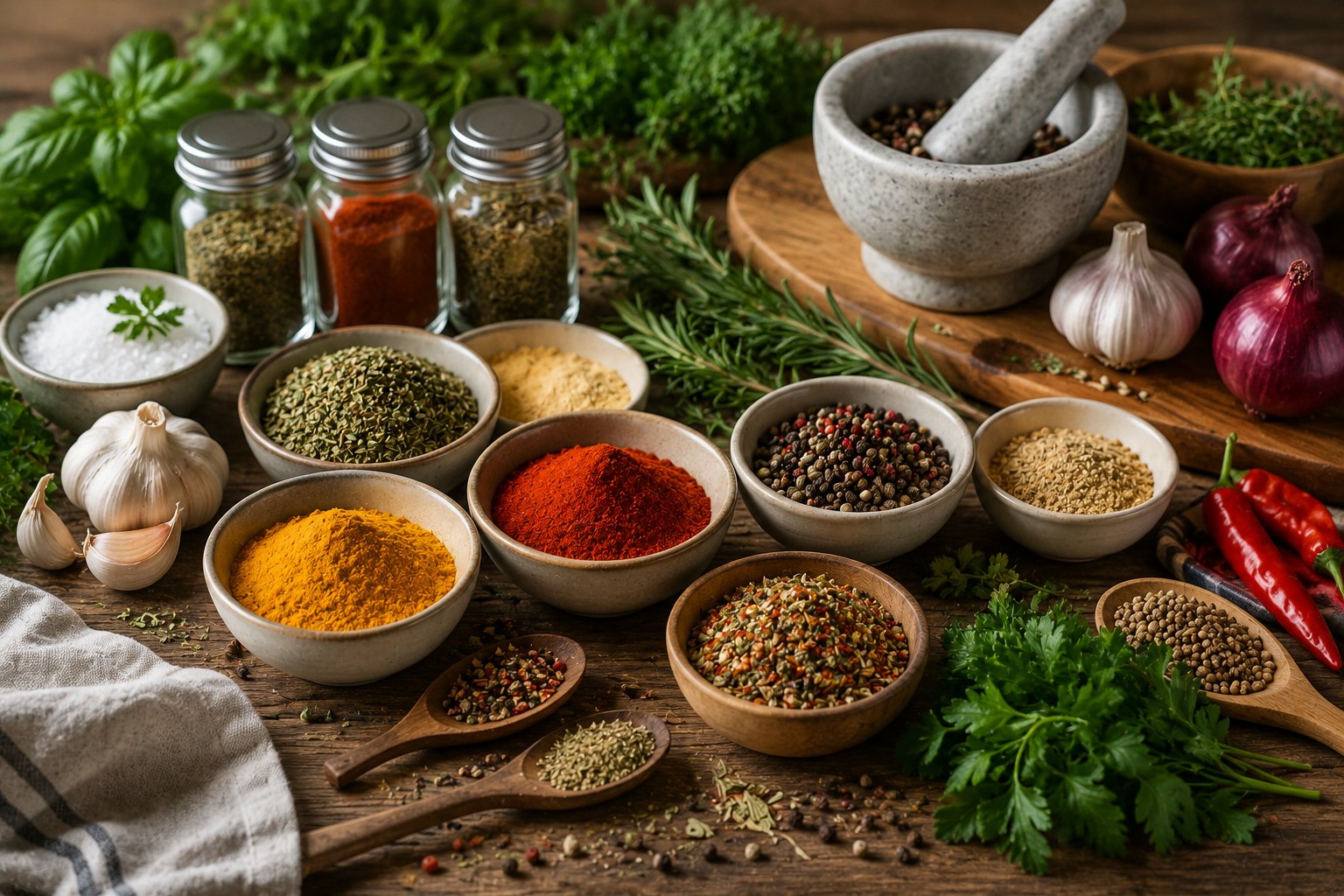
Many kitchens already have a variety of versatile herbs and spices available, including:
- Garlic powder
- Onion powder
- Paprika
- Cumin
- Oregano
- Basil
- Thyme
- Rosemary
- Dill
- Parsley
- Chili powder
- Turmeric
- Coriander
- Black pepper
On their own, these spices can add flavor. But when thoughtfully combined, they can create a recognizable flavor profile that can be used across multiple dishes.
🌿 Garlic Herb Blend
Try combining:
- Garlic powder
- Onion powder
- Parsley
- Thyme
- Rosemary
- Black pepper
Works especially well with:
🍗 Chicken
🐟 Fish
🥔 Potatoes
🥕 Roasted vegetables
A garlic herb blend is a versatile option because it pairs well with many familiar foods while providing a noticeable change in flavor.
🌎 Italian-Inspired Blend
Try combining:
- Oregano
- Basil
- Thyme
- Garlic powder
- Onion powder
- Parsley
Works especially well with:
🍝 Pasta dishes
🍗 Chicken
🥕 Vegetables
🥣 Soups
This blend can give familiar dishes an Italian-inspired flavor without requiring a completely different preparation method.
🌶️ Southwest-Inspired Blend
Try combining:
- Cumin
- Chili powder
- Paprika
- Garlic powder
- Onion powder
- Oregano
Works especially well with:
🍗 Chicken
🥔 Potatoes
🍚 Rice
🫘 Beans and legumes
This blend can be used to give familiar ingredients a completely different identity and can work particularly well across several components of the same meal.
🍋 Lemon Herb Blend
Try combining:
- Dill
- Parsley
- Garlic powder
- Onion powder
- Thyme
Then add lemon juice or lemon zest during preparation.
Works especially well with:
🐟 Seafood
🍗 Chicken
🥦 Vegetables
🍚 Rice
This is a fresh flavor profile that can be especially appealing for lighter meals.
🌿 Mediterranean-Inspired Blend
Try combining:
- Oregano
- Garlic powder
- Onion powder
- Basil
- Parsley
- Coriander
Works especially well with:
🍗 Chicken
🐟 Seafood
🥕 Roasted vegetables
🍚 Rice and grains
This blend can help introduce a different flavor profile to familiar foods while maintaining an approachable menu.
🍛 Warm Curry-Inspired Blend
Try combining:
- Turmeric
- Cumin
- Coriander
- Garlic powder
- Ginger
- Paprika
Works especially well with:
🍗 Chicken
🥕 Vegetables
🍚 Rice
🫘 Lentils and beans
A warm spice blend can be an easy way to introduce residents to new flavors using ingredients they already recognize.
Create More Than One Menu Experience
The real advantage of seasoning blends is that they allow one familiar ingredient to take on several different identities.
For example, chicken could become:
🌿 Garlic Herb Chicken
🌎 Italian-Inspired Chicken
🌶️ Southwest Chicken
🍋 Lemon Herb Chicken
🍛 Warm-Spiced Chicken
The protein remains the same.
The preparation method may remain largely the same.
But the dining experience changes.
The same approach can be used with vegetables, potatoes, rice, seafood, and other familiar menu items.
Standardize Your Blends
Once your culinary team finds combinations that residents enjoy, consider creating standardized seasoning blend recipes.
A standardized blend can help:
✔️ Maintain consistency between cooks and shifts
✔️ Reduce guesswork during preparation
✔️ Make it easier to repeat successful flavor profiles
✔️ Create variety without creating entirely new recipes
You might even create a small "House Seasoning Blend Collection" that your team can use across multiple menu items.
The Bottom Line
Creating more menu variety can start with a simple recipe that you copy and adapt.
Start with familiar foods and common spices.
Combine them in new ways.
Use those blends across different dishes.
A few simple seasonings can create endless opportunities for your menu without adding significant cost or labor.
Explore More Flavor Ideas
RecipeTree offers a collection of seasoning and spice blend recipes that can help culinary teams bring more variety and flavor to familiar menu items.
EXPLORE SEASONING & SPICE BLEND RECIPES