Celebrating Filipino American History Month Through Food and Flavor
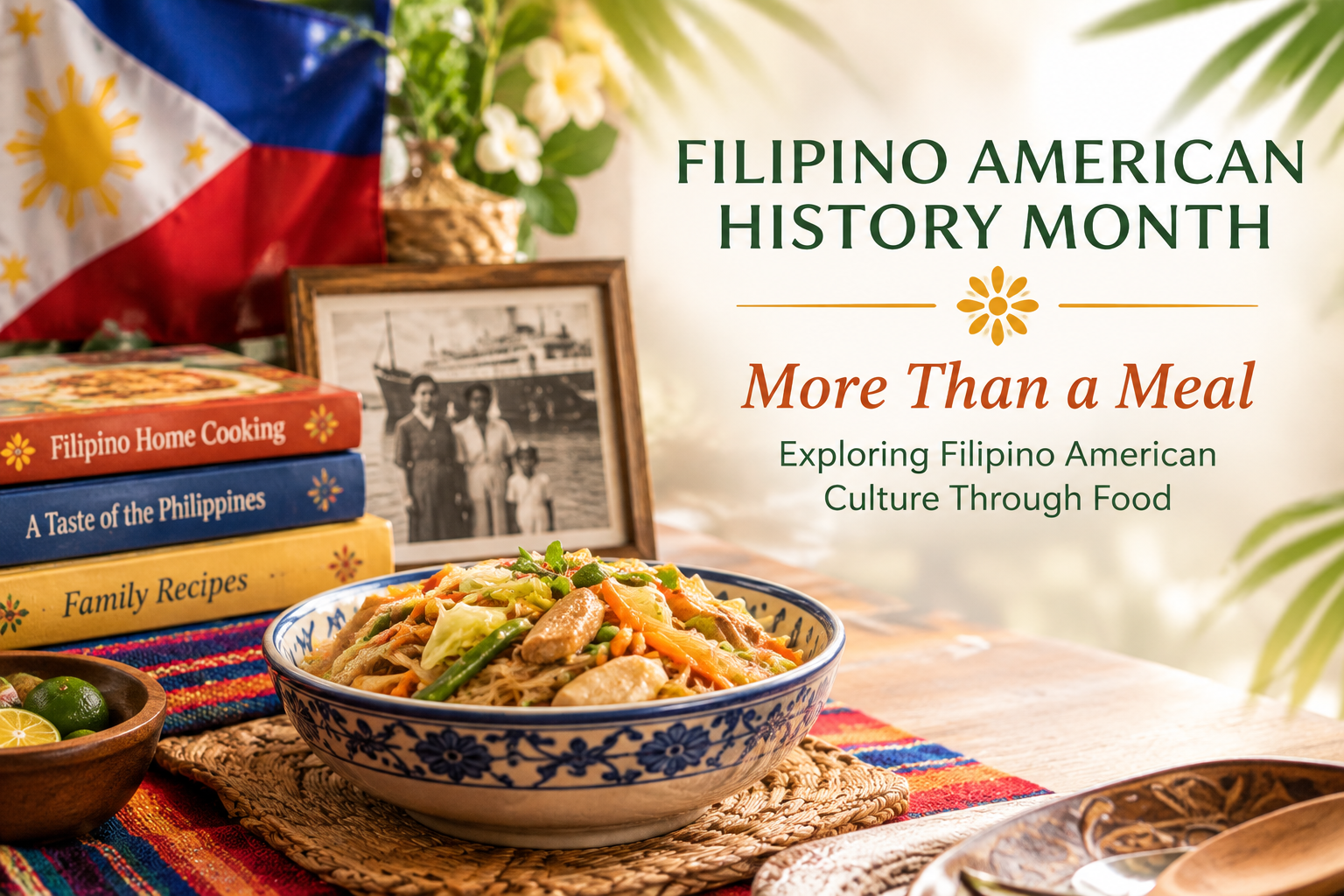
Each October, Filipino American History Month offers an opportunity to recognize the many contributions Filipino Americans have made to the history, culture, and communities of the United States. Food is one especially meaningful way to celebrate this rich heritage.
For senior living and healthcare dining teams, exploring Filipino flavors can create engaging menu moments, encourage cultural connection, and introduce residents to new ingredients in an approachable way. Whether your community includes Filipino residents, team members, family members, or simply residents who enjoy trying new foods, Filipino-inspired dishes can bring warmth, variety, and conversation to the table.
A Flavor Profile Built on Sweet, Savory, and Tangy Notes
Filipino cuisine is known for its balance of sweet, savory, tangy, and sometimes spicy flavors. Many dishes layer familiar ingredients in distinctive ways, making this cuisine both comforting and exciting for residents.
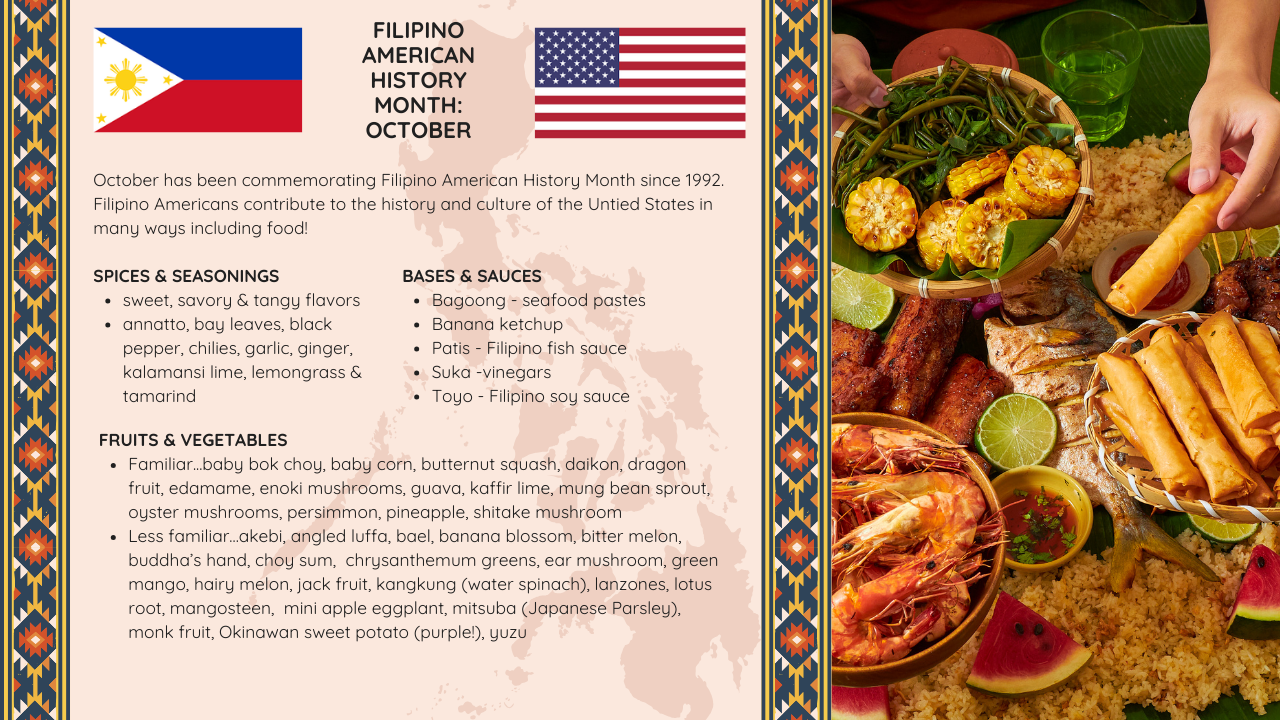
Common spices and seasonings include annatto, bay leaves, black pepper, chilies, garlic, ginger, calamansi lime, lemongrass, and tamarind. These ingredients can be used to build flavor in soups, rice dishes, proteins, vegetables, marinades, and sauces.
Sauces and condiments also play an important role in Filipino cooking. Bagoong, a seafood paste; banana ketchup; patis, or Filipino fish sauce; suka, or vinegar; and toyo, or Filipino soy sauce, each contribute depth and character to dishes. Introducing one of these ingredients through a familiar recipe can be an approachable way to help residents experience a new flavor profile.
Familiar Ingredients, New Possibilities
Many fruits and vegetables used in Filipino cuisine may already be familiar to your culinary team. Baby bok choy, baby corn, butternut squash, daikon, dragon fruit, edamame, enoki mushrooms, guava, mung bean sprouts, oyster mushrooms, persimmons, pineapple, and shiitake mushrooms can all be incorporated into menus in creative ways.
Other ingredients may be less familiar but offer opportunities for culinary exploration. Bitter melon, banana blossom, green mango, jackfruit, kangkung (water spinach), lotus root, mangosteen, Okinawan purple sweet potatoes, and yuzu can add variety, color, texture, and cultural relevance to menus.
When introducing unfamiliar ingredients, begin with a familiar preparation. For example, feature purple sweet potatoes in a mashed potato-style side dish, add pineapple to a chicken entrée, or incorporate bok choy into a soup or stir-fry. Small introductions can build confidence and curiosity among residents.
Nutrition Principles That Feel Familiar
The Filipino daily nutrition guide and the U.S. MyPlate model share several important similarities. Both encourage filling half the plate with fruits and vegetables, one-quarter with grains, and one-quarter with lean protein. Both also recognize the importance of water and regular movement as part of a balanced lifestyle.
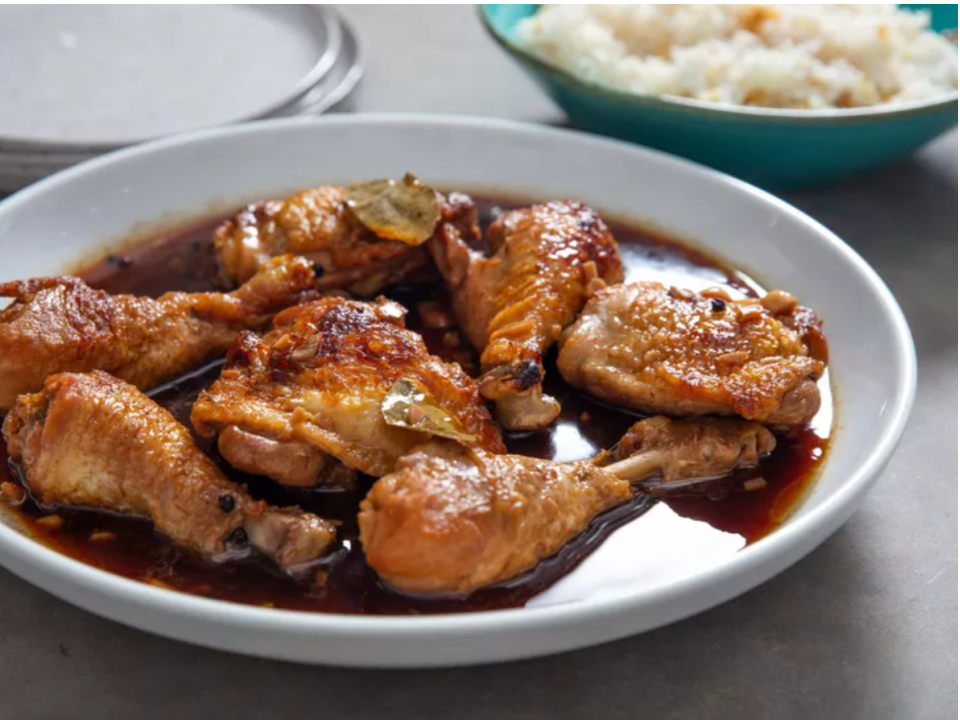
This shared foundation can make Filipino-inspired menu items a natural fit within healthcare and senior living dining programs. A balanced plate might include grilled or braised chicken, a vegetable-rich side, rice or another grain, and a fruit-based dessert or beverage option.
Bringing Filipino Flavors to Your Community
Celebrating Filipino American History Month does not have to mean completely changing your menu. It can begin with curiosity, conversation, and a few thoughtful additions.
Consider visiting a local Filipino restaurant or market with members of your food and nutrition team. Experiencing the aromas, ingredients, and menu offerings firsthand can inspire ideas for your own community. Restaurant and market owners may also be willing to share recommendations for dishes, ingredients, or flavor combinations that would translate well to senior dining.
If your community has Filipino residents, invite them to share favorite foods, family recipes, or special memories connected to meals. Their insights can help guide menu selections and create a more personal, meaningful celebration.
A tasting demonstration is another engaging option. Feature a few spices, sauces, fruits, or vegetables and invite residents to sample them in simple preparations. Start with familiar foods and add one new flavor at a time. For example, offer roasted vegetables with a tangy calamansi-inspired dressing or a savory soy and garlic sauce.
Supporting IDDSI Texture-Modified Diets With Flavorful Sauces
Sauces can be especially valuable when incorporating Filipino-inspired flavors into IDDSI texture-modified menus. They add moisture, support appropriate texture, and help make pureed or minced and moist foods more appealing.
A smooth garlic, ginger, soy, or tamarind-inspired sauce can bring flavor to pureed vegetables, grains, seafood, or poultry. As with all texture-modified recipes, communities should ensure that finished items are prepared and tested to meet the appropriate IDDSI level.
Flavor does not need to be sacrificed when adapting foods for therapeutic or texture-modified diets. In fact, sauces may be one of the simplest and most effective ways to introduce new flavor profiles while supporting both enjoyment and safety.
Kain Tayo: Let’s Eat!
Food has a unique ability to connect people to culture, memory, and one another. This Filipino American History Month, consider how your dining program can celebrate Filipino heritage through ingredients, stories, tasting opportunities, and menu inspiration.
Whether you begin with a familiar vegetable, a flavorful sauce, or a resident’s favorite dish, each effort can help create a more inclusive and engaging dining experience.
Kain tayo! Let’s eat!