Celebrating French American Heritage Month Through Food, Culture, and Connection
July is French American Heritage Month, a time to recognize the lasting influence of French culture in the United States. From language and art to architecture and cuisine, French heritage has helped shape communities across the country.
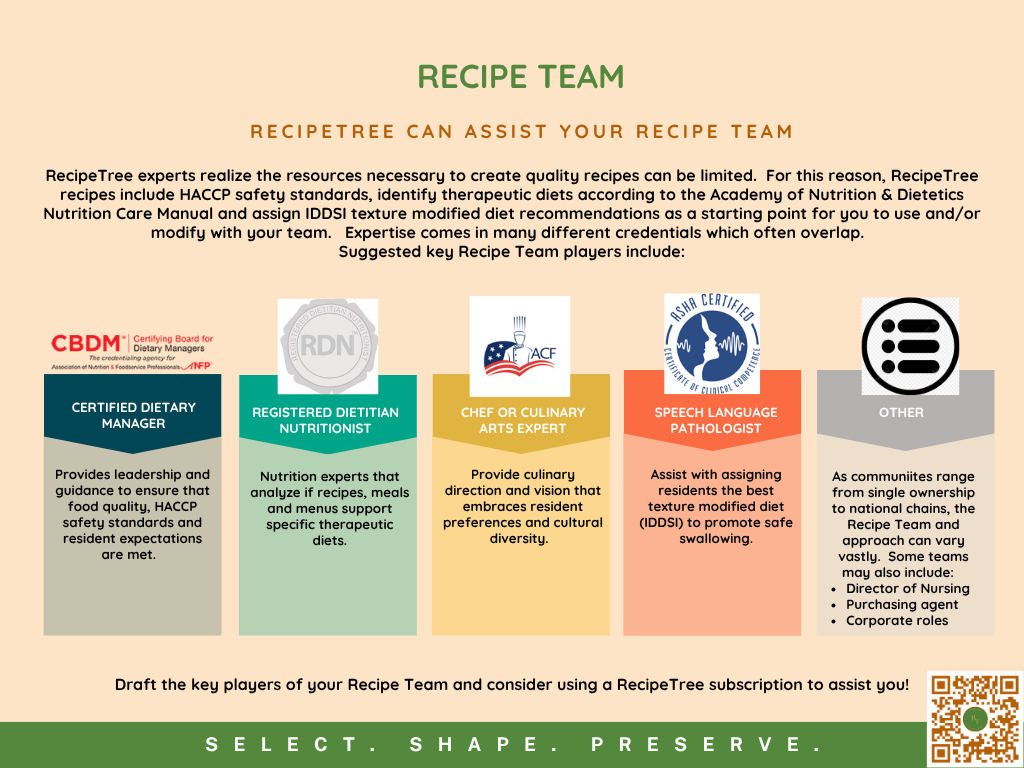
For senior living and healthcare dining teams, this month offers a wonderful opportunity to bring French-inspired flavors, traditions, and dining experiences to residents. While many people may not speak French fluently, food provides a meaningful and accessible way to explore the culture.
A Cuisine Rooted in Quality and Care
French cuisine is often associated with rich sauces, elegant presentation, and classic dishes, but its foundation is much broader. French food culture emphasizes quality ingredients, careful preparation, seasonal foods, and the enjoyment of meals shared with others.
These values align beautifully with person-centered dining. A thoughtfully prepared meal can offer more than nourishment. It can create comfort, spark memories, encourage conversation, and make everyday dining feel more special.
French cuisine also provides opportunities to feature familiar ingredients in new ways. Herbs, vegetables, poultry, fish, potatoes, legumes, dairy, and whole grains can all be used to create French-inspired menu items that feel approachable for residents.
French Dietary Guidance and MyPlate Have Common Ground
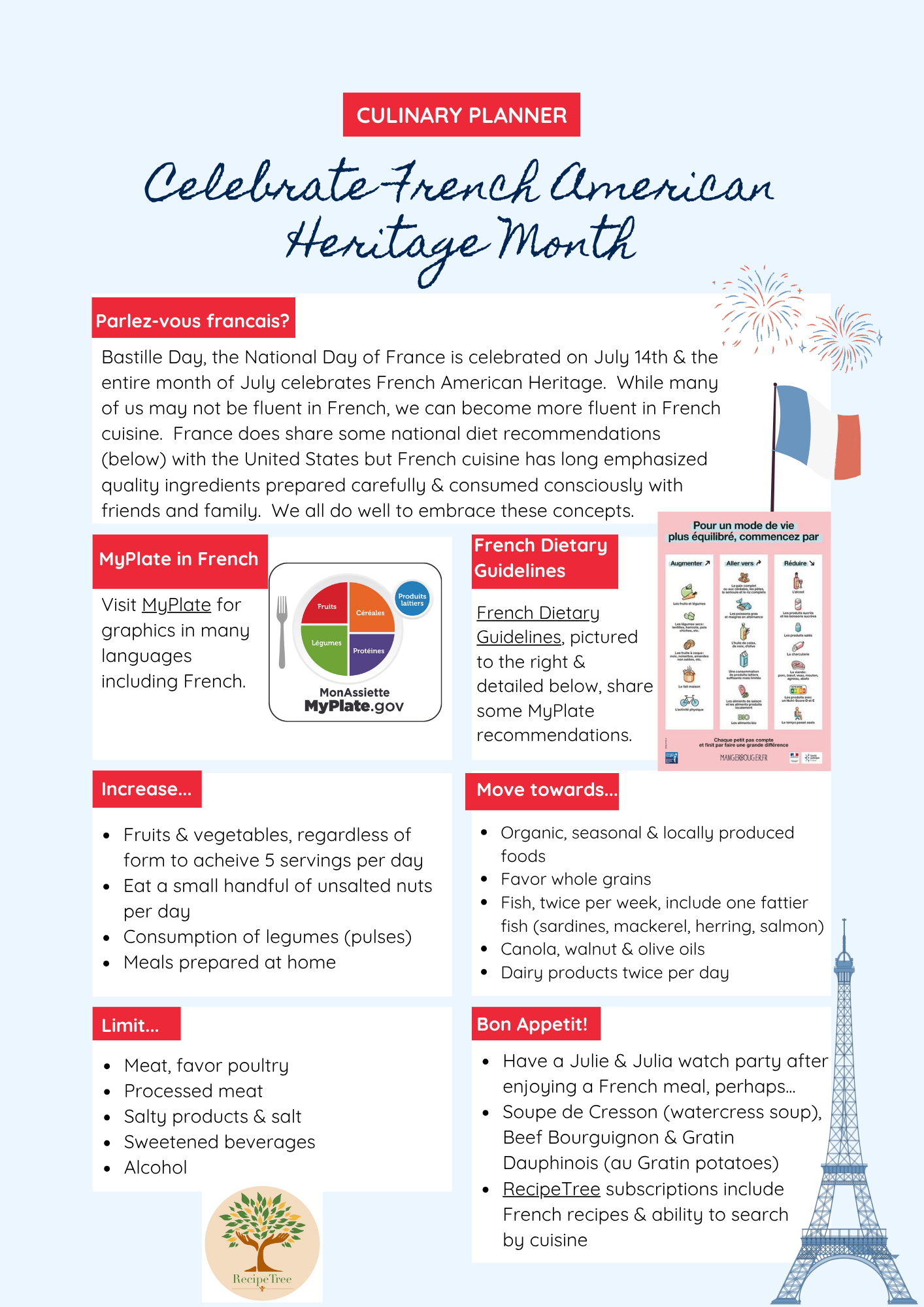
French dietary guidelines share several similarities with the U.S. MyPlate model. Both encourage balanced meals that include fruits and vegetables, whole grains, lean proteins, and dairy foods.
French recommendations encourage eating fruits and vegetables in a variety of forms to help reach five servings per day. They also promote legumes, whole grains, unsalted nuts, and fish twice per week, including one serving of a fattier fish such as salmon, sardines, mackerel, or herring.
Other recommendations include favoring poultry over red meat, limiting processed meats, salty foods, sweetened beverages, and alcohol, and choosing canola, walnut, or olive oils. French guidance also encourages seasonal, locally produced, and organic foods when possible.
These shared principles can help culinary teams create menus that are both culturally inspired and aligned with nutrition goals for older adults.
Bringing French Flavors to Your Community
Celebrating French American Heritage Month does not require an elaborate multi-course meal. Small touches can make a meaningful impact.
Start by featuring a French-inspired entrée, soup, side dish, or dessert. A menu could include Soupe de Cresson, a comforting watercress soup; Beef Bourguignon; and Gratin Dauphinois, a classic potato gratin. These dishes can be adapted to fit your community’s preferences, equipment, labor resources, and therapeutic diet needs.
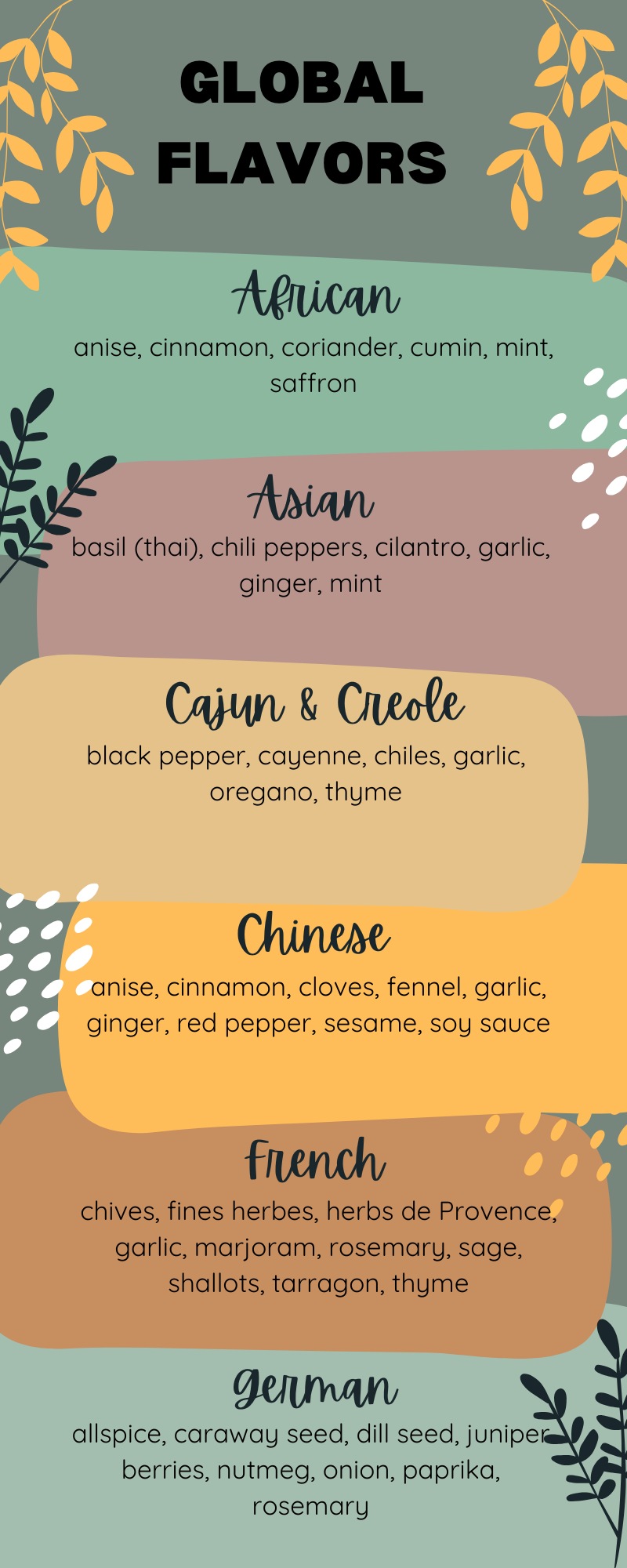
Consider using familiar French ingredients such as thyme, rosemary, parsley, garlic, leeks, mushrooms, Dijon mustard, olive oil, potatoes, and seasonal vegetables. A roasted chicken with herbs, vegetable soup with white beans, or a creamy potato side dish can provide a simple introduction to French flavors.
Create an Experience Around the Meal
Food is often even more enjoyable when paired with an activity or conversation. Consider hosting a French-themed lunch or dinner and inviting residents to share travel memories, favorite French foods, or family recipes.
A movie afternoon can also extend the celebration. After serving a French-inspired meal, host a viewing of Julie & Julia and invite residents to enjoy a relaxed conversation about cooking, favorite meals, and food memories.
You might also incorporate French phrases into menu signage or table tents. A simple “Bon Appétit!” can add a festive touch and help create an immersive dining experience.
French-Inspired Menus for Every Resident
French cuisine can be adapted for a range of dining needs, including therapeutic and texture-modified diets. Soups, braised meats, vegetable purées, potato dishes, and flavorful sauces can all provide opportunities to bring French-inspired flavors to residents following IDDSI texture-modified diets.
For example, a smooth herb sauce can add moisture and flavor to puréed poultry or vegetables. A carefully prepared potato gratin-inspired purée can offer comfort and familiarity while meeting the needs of residents requiring modified textures. As always, recipes should be prepared and tested to ensure they meet the appropriate IDDSI level.
Celebrate One Bite at a Time
French American Heritage Month is an invitation to celebrate culture through the dining experience. By focusing on quality ingredients, balanced meals, thoughtful preparation, and shared enjoyment, culinary teams can bring the spirit of French cuisine to their communities.
Whether you feature a classic French recipe, highlight seasonal ingredients, host a themed meal, or simply add a “Bon Appétit!” to the menu, these small moments can help make dining more engaging, inclusive, and memorable.
Bon appétit!