Guarding the Baseline: Ensuring Survey Success When Implementing High-Fiber Senior Menus
As we look ahead to National Eat Beans Day and focus on the critical role of fiber in senior nutrition management, it is a perfect opportunity to evaluate how we execute nutritional changes in senior care environments. Balancing resident wellness with strict budgetary constraints, dietary mandates, and texture compliance can feel like a tightrope walk.
By deliberately focusing on fiber-rich ingredients like pulses—which include dry peas, lentils, and chickpeas—culinary directors can solve multiple operational and clinical challenges at once. These versatile ingredients pack an incredible nutritional punch, and regularly including them in senior menus can play a vital role in reducing the risk of chronic conditions like obesity, heart disease, and diabetes.
However, introducing these changes successfully requires more than just adding a few beans to a plate, it requires absolute operational control. Here is how optimizing fiber and utilizing data-driven ingredients delivers massive value across three key areas:
1. Clinical Outcomes vs. Dietary Realism
Increasing fiber is excellent for gastrointestinal health and metabolic stability, but sudden spikes in fiber must be balanced with overall nutrient density. Legumes and pulses are unique because they manage to maximize multiple nutritional baselines simultaneously without overwhelming the resident's portion size.
Consider these staggering data points from the USDA:
- Fiber Power: Dry peas contain 4X more fiber than brown rice, making it much easier to hit daily digestive targets in smaller, senior-friendly serving sizes.
- Cardiovascular and Diabetic Support: Pulses are naturally cholesterol-free, sodium-free, and feature a low glycemic index, making them a perfect foundation for therapeutic cardiac and diabetic diets.
- Lean Muscle Retention: Lean muscle mass loss is a constant concern in senior care. Lentils deliver double the protein of quinoa and have 7X less fat than pork, offering an incredibly lean, cost-effective protein source.
- Micronutrient Density: For cognitive and cellular health, chickpeas provide 1.5 times more folate than kale and 2.5 times as much iron as chicken, while dry peas match a small banana for potassium levels.
Click here to view the "10 reasons to love pulses" infographic to see how these ingredients compare to everyday staples.
2. Overcoming the Texture Modification Hurdle
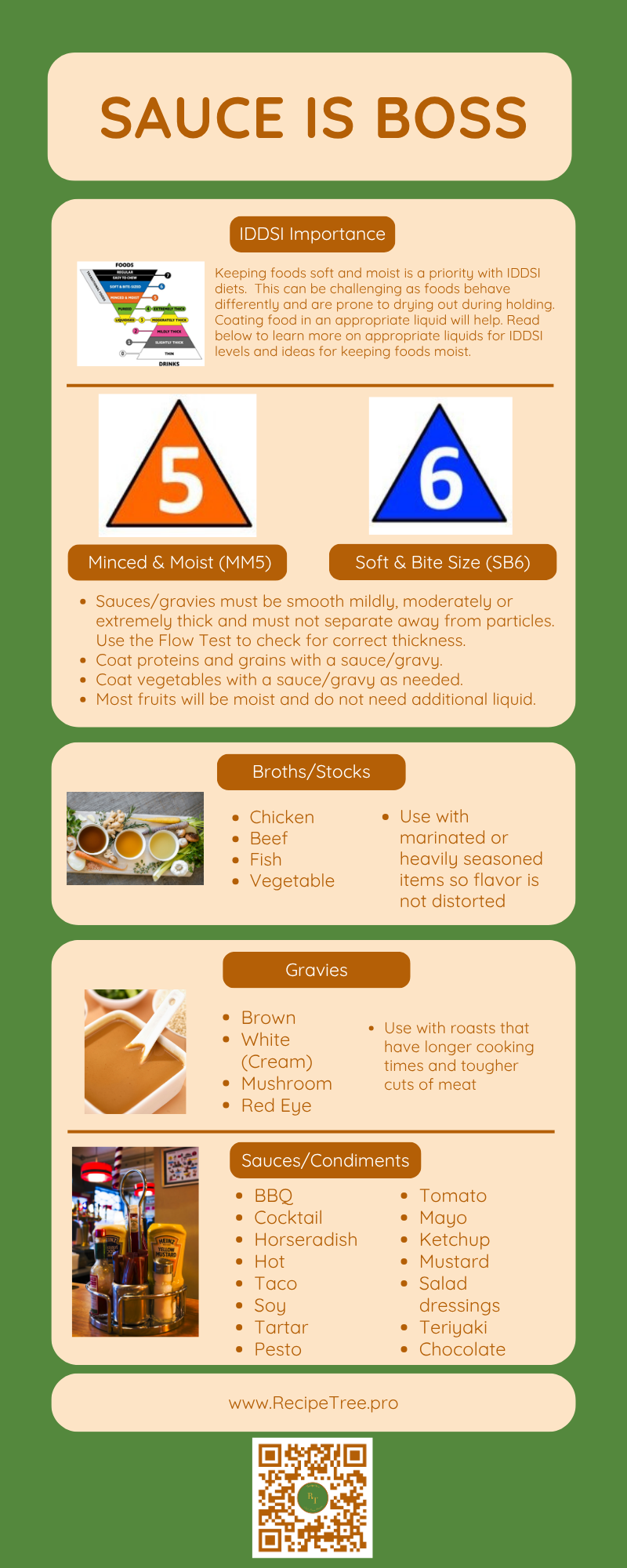
The primary hesitation with introducing fresh, fiber-dense items is compliance. A high-fiber celebration shouldn't exclude residents on therapeutic or modified texture diets. Whole beans and peas present a structural skin-transit hazard for residents requiring modified textures.
To make fiber work operationally, your kitchen must utilize the natural properties of pulses. Because lentils and dry peas soften completely when cooked, they are the ultimate ingredient for seamless IDDSI Level 4 (Pureed) and Level 5 (Minced & Moist) compliance. However, standard commercial blending isn't always enough; bean and legume skins can remain intact, creating a dangerous choking or coughing hazard for residents with dysphagia.
- Immediate Menu Action: When pureeing lentils, pulses, and beans, kitchen staff should always take the extra step to push the purée through a fine-mesh sieve or chinois. Straining the mixture completely removes any fibrous, residual skins, ensuring an ultra-smooth, uniform consistency that safely meets IDDSI Level 4 criteria. These fortified purées or protein-backed soup bases can then be served with confidence, ensuring absolute safety and nutritional equity across all diet tiers.
3. The Compliance Safeguard: Logs and Standardization
While introducing these fiber-focused culinary celebrations elevates the dining experience, protecting your community from a regulatory standpoint must remain a top priority.
If these high-fiber menu ideas are not already permanently written into your master menu cycle, it is critical that you formally document them in your Menu Substitution Log. State surveyors review these logs to ensure that any deviation from the planned menu provides equal nutritional value and satisfies therapeutic dietary restrictions.
Furthermore, ensure that your kitchen team is utilizing an explicitly standardized recipe for every single high-fiber dish served. From raw prep to final plating, having locked-in portions, ingredient weights, and clear texture modification steps ensures absolute consistency for your staff. More importantly, it provides the bulletproof documentation needed for a successful, deficiency-free state survey. You gain the freedom to celebrate fresh culinary milestones, while maintaining 100% operational control and regulatory compliance.
How is your community planning to incorporate more fiber and nutrient-dense pulses into your menus? If you are looking for ways to streamline your recipe scaling, standardized recipes, and dietary compliance, explore our free resources on the RecipeTree
Culinary Toolkit page.