The Family Table: Fostering Friendship and Belonging Through Senior Nutrition
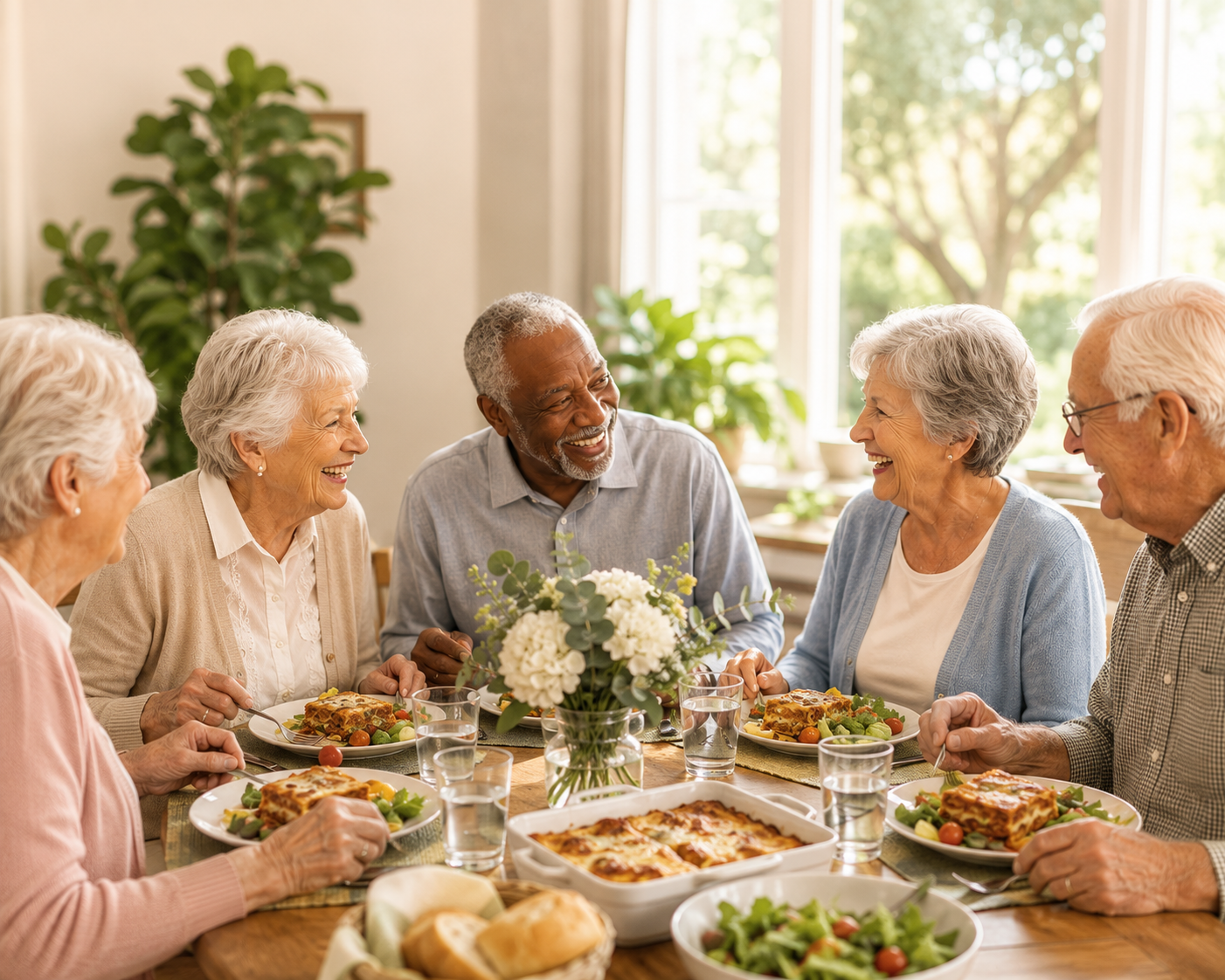
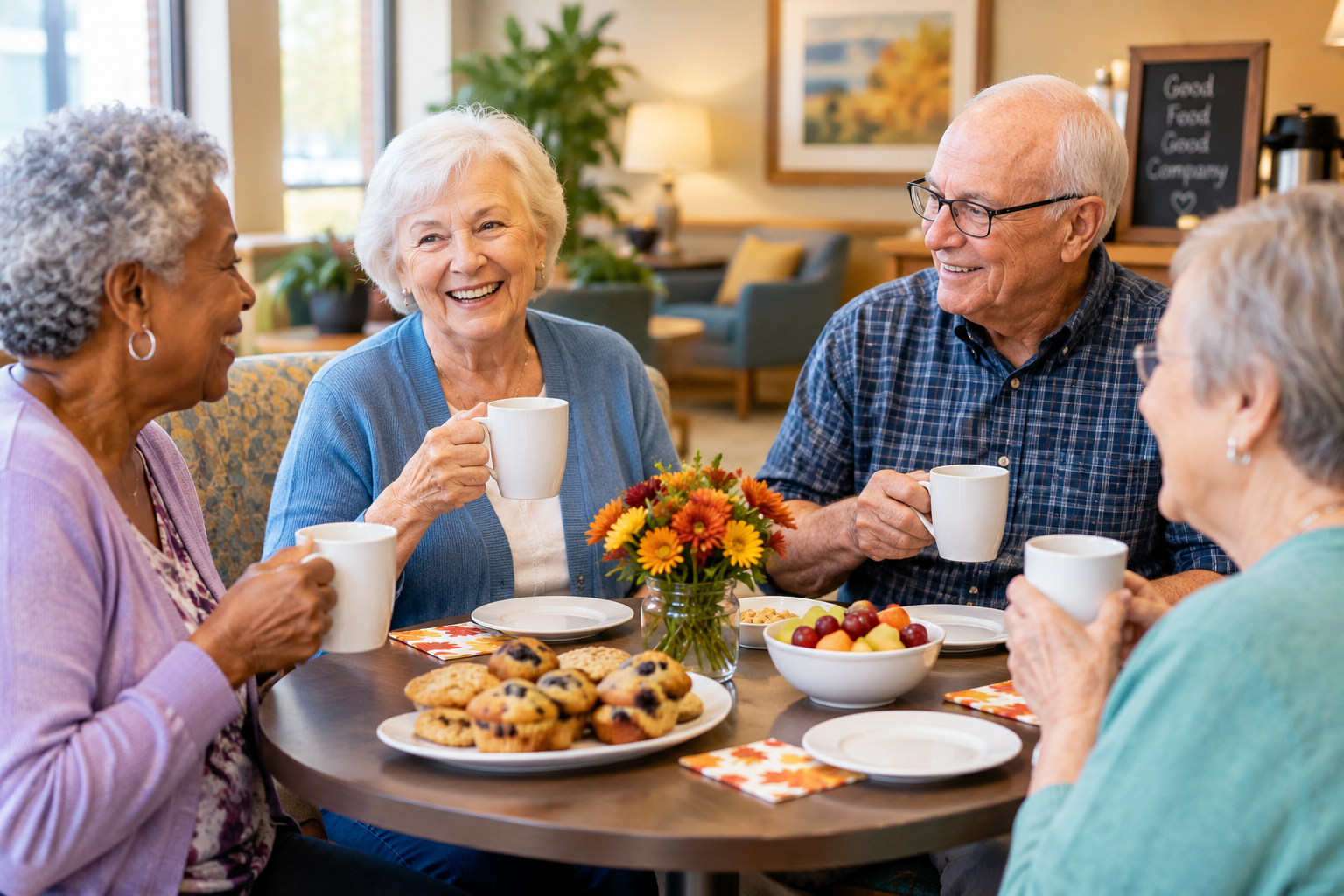
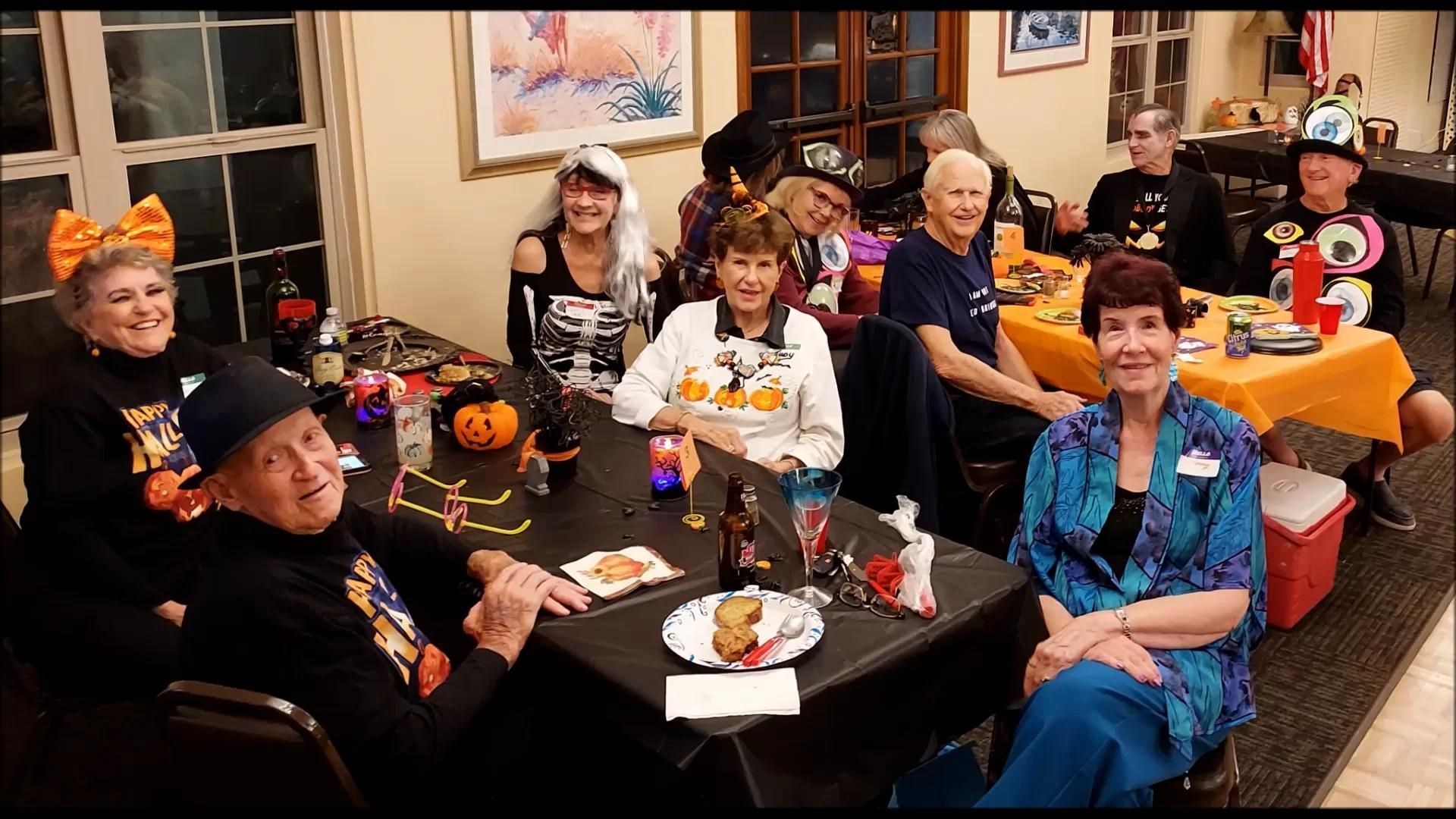
As we celebrate National Family Reunion Month and International Day of Friendship, it is worth examining the deep emotional connection human beings have with food. In senior living, mealtime is far more than a scheduled nutritional intake event. It is often the primary social highlight of a resident's day, a place where friendships are forged, stories are swapped, and a sense of "home" is reconstructed.
When dining teams recognize that residents are essentially a family unit sharing a table, the approach to menu design shifts. It moves from simple food service to relational hospitality.
1. The Power of Culinary Nostalgia in Memory Care
Food is uniquely tied to memory. The aroma of a slow-roasted family pot roast, fresh corn on the cob, or a classic summer berry cobbler can unlock vivid memories for residents experiencing cognitive decline. Serving dishes that evoke warm memories of family reunions or holiday gatherings provides comfort and grounding, helping to reduce anxiety and stimulate lagging appetites.
2. Fostering Social Connection and Reducing Isolation
Loneliness and social isolation are major health risks in senior care. Shared food experiences, such as monthly "Family Reunion" theme dinners, resident-voted menu features, or interactive family-style dining naturally break down social barriers. When residents share a meal that reminds them of home, it opens doors to conversation: "My mother used to make her peach cobbler just like this," or "In my hometown, we always made this dish for summer picnics."
3. Operational Control: The Golden Rule of Inclusion
The biggest challenge to implementing family-style or heritage recipes is maintaining regulatory compliance. A dish brought in by a resident's family member or an unstandardized "kitchen experiment" can lead to state deficiencies regarding food safety, allergen tracking, and therapeutic diet compliance.
To make family-focused dining work operationally:
- Log Every Menu Shift: If you introduce a special "International Day of Friendship" feature that differs from your master menu cycle, make sure it is logged in your Menu Substitution Log with equivalent nutritional value verified.
- Standardize for All Diets: Never allow a special family-style feature to exclude texture-modified diets. Ensure every heritage recipe has an explicitly written, standardized IDDSI modification plan so every member of the community family can participate safely.
When you blend the warmth of a family kitchen with the structure of professional recipe management, you create a dining room that nourishes both the body and the soul.
How does your community use food to bring residents together like family? If you are looking for tools to help standardize resident recipes, manage IDDSI tiers, and track compliance, explore our free resources on the RecipeTree Culinary Toolkit page.