By Amanda Page, CDM, CFPP
•
October 4, 2026
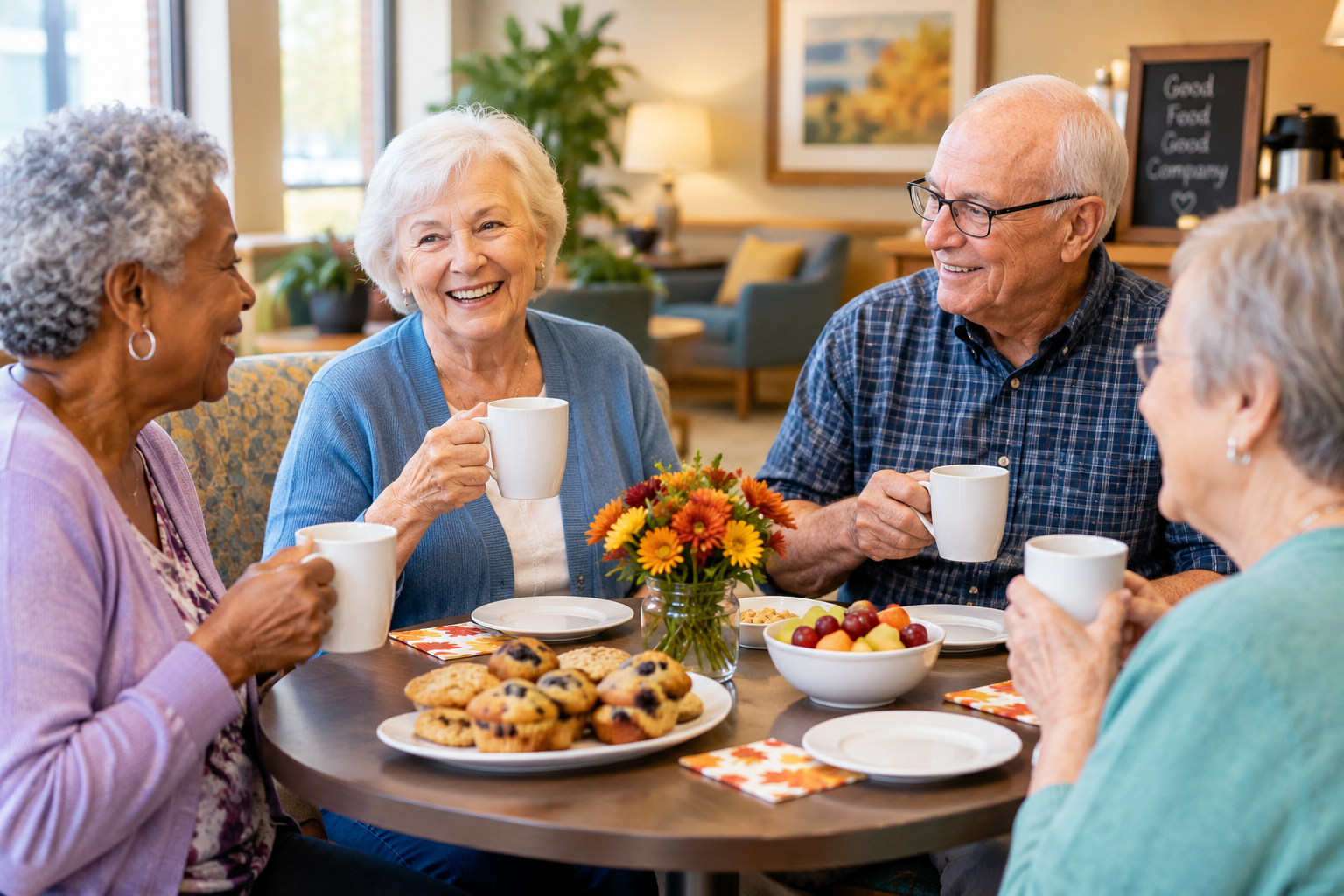
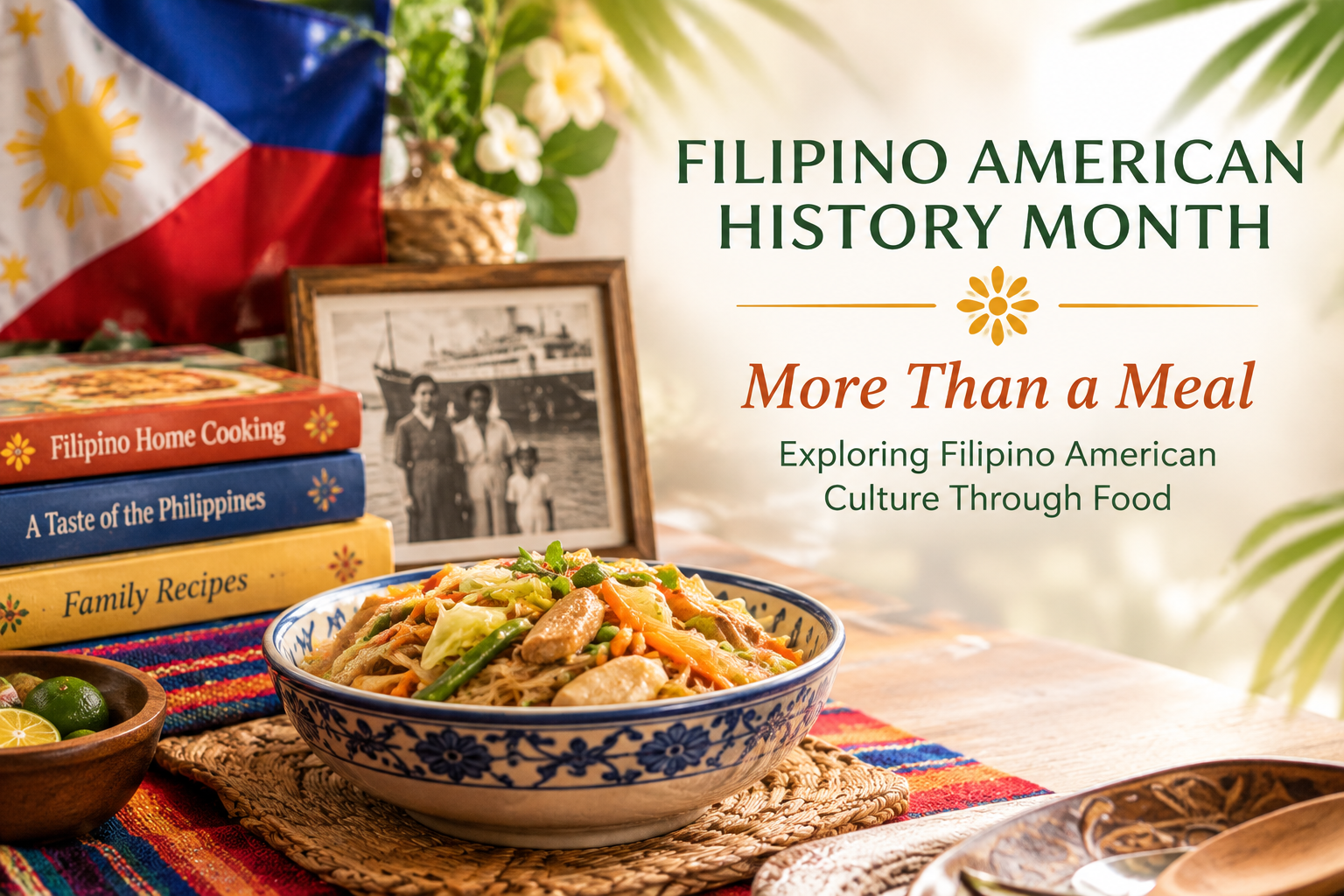
More Than a Meal: Exploring Filipino American Culture Through Food October is Filipino American History Month, a time to recognize the history, culture, experiences, and contributions of Filipino Americans and the many ways they have shaped communities across the United States. At RecipeTree, we’re approaching this month’s cultural spotlight with a simple idea: Filipino American culture isn’t one recipe. It’s thousands of stories. And food can be one of the most meaningful ways to begin listening to those stories. Filipino Culture Isn't One Cuisine It can be tempting during a heritage month to choose a few recognizable dishes, put them on the menu, and call it a cultural celebration. But Filipino American culture and Filipino cuisine is far more diverse than that. The Philippines is made up of thousands of islands and numerous regions, communities, languages, and cultural traditions. Filipino Americans also have different family histories and experiences depending on where their families came from, when they came to the United States, and how their traditions have evolved across generations. That means there isn't one dish that can represent everyone's Filipino experience. A recipe may be connected to a particular region. It may be something a grandmother prepared for birthdays or holidays. It may be a dish a family adapted after moving to the United States. It may be something a resident remembers eating as a child. Or it may simply be a favorite meal that brings back memories of family gathered around the table. The story behind the food matters. What Does That Mean for Senior Living Dining? For senior living and healthcare dining teams, cultural food can be more than an opportunity to add variety to the menu. It can be an opportunity to learn about the people you serve. If you have Filipino American residents in your community, consider starting a conversation: What Filipino foods do you remember from home? Rather than assuming what residents will want, invite them to share their own experiences. You might discover that one resident has a favorite dish from their childhood, while another has a completely different food tradition. One family may have a treasured recipe that has been passed down for generations. Another resident may have a story about adapting a traditional dish after moving to a new part of the country. Those conversations can lead to something much more meaningful than simply adding an entrée to the menu. They can help residents see their own stories reflected in the dining experience. From Family Recipe to Community Recipe Of course, preparing a family recipe for a senior living or healthcare kitchen often requires some adaptation. A recipe that works beautifully for a family of six may need to be scaled for 60 or 600 residents. Ingredients may need to be adjusted. Sodium, carbohydrates, allergens, or other nutritional considerations may need to be addressed. Texture modifications may be necessary for some residents. And the recipe needs to be clear enough that the culinary team can consistently prepare it. That doesn't mean the original recipe or the story behind it needs to disappear. In fact, preserving the original recipe while documenting the healthcare adaptation can help protect both. The goal isn't to standardize the culture. It's to standardize the recipe so the culture can continue to be shared. Keep the Story With the Recipe A familiar recipe, prepared with the story and tradition behind it, can sometimes do something more, it can help someone feel seen, remembered, and at home. This Filipino American History Month, we encourage culinary and dining teams to look beyond the dish itself. Learn the story. Honor the recipe. Preserve it for the future. Because cultural dining isn't simply about serving a different meal. It's about creating opportunities for the people around the table to share who they are.