Take Your Menu on Vacation: Creating Meaningful Dining Experiences Through Food

Lori Reamer • July 22, 2026

Take Your Menu on Vacation: Creating Meaningful Dining Experiences Through Food

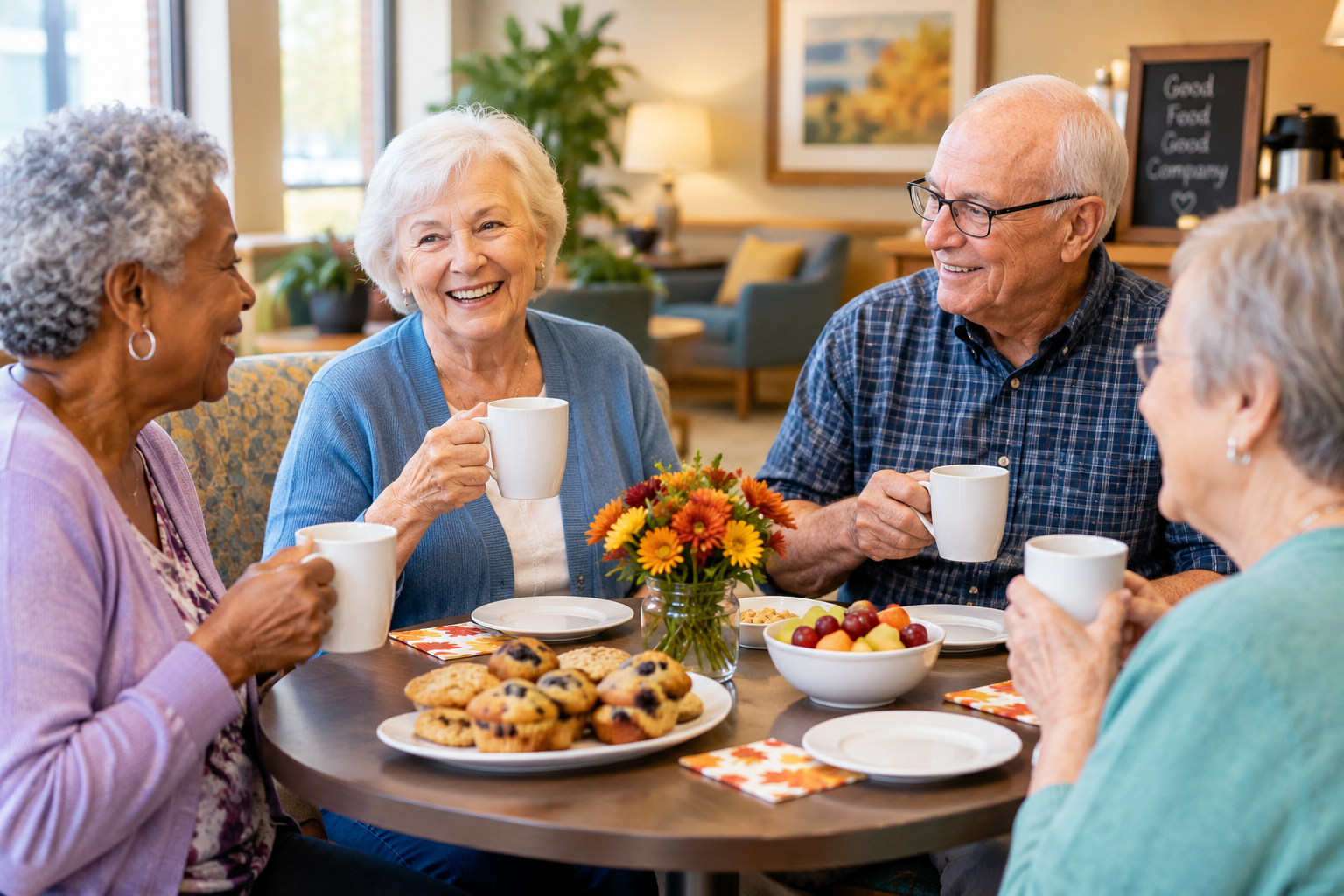
Food has an incredible ability to transport us.


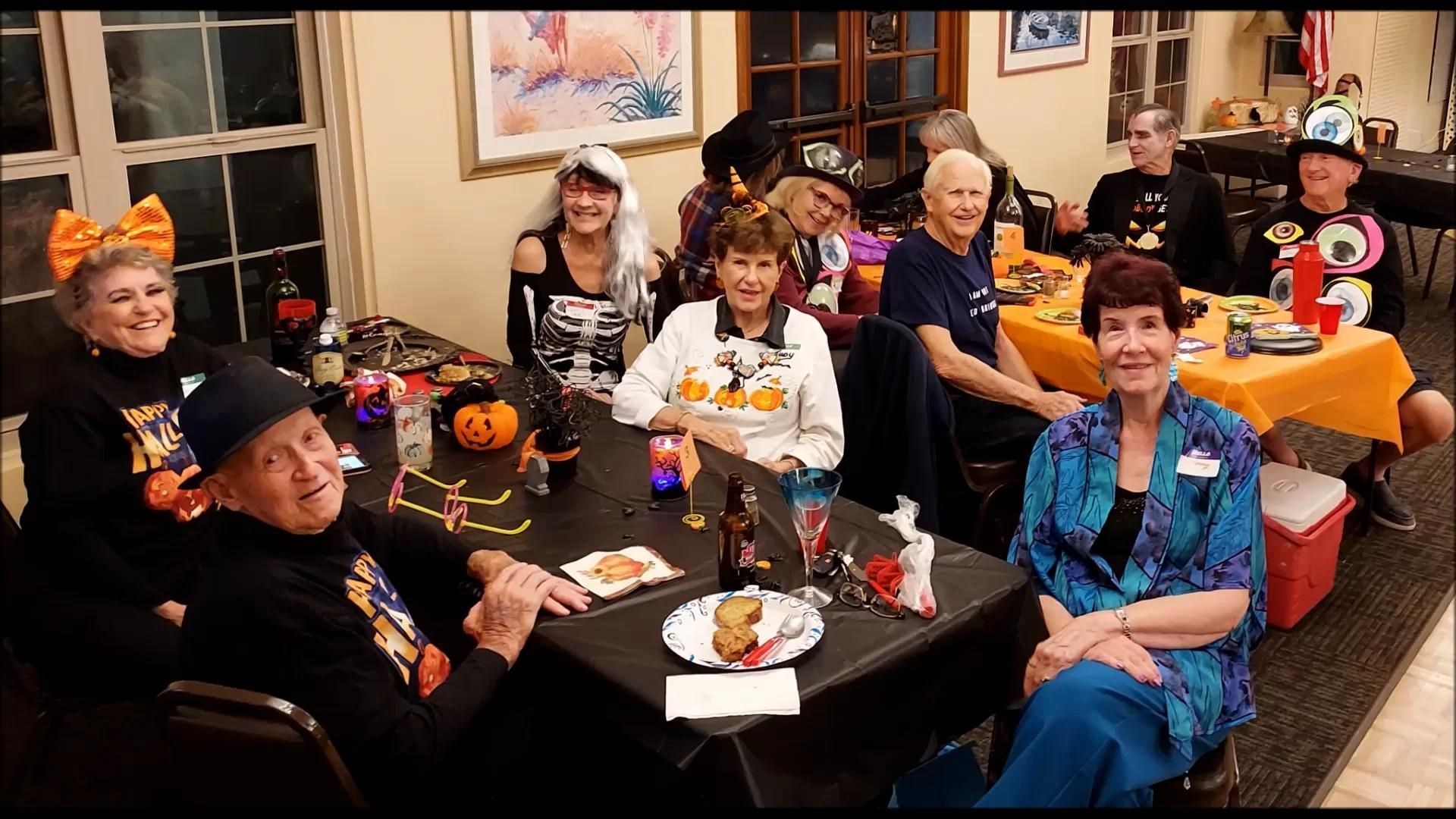
A single bite can remind someone of a childhood family vacation, a honeymoon abroad, a favorite restaurant, or a meal lovingly prepared by a parent or grandparent. In senior living communities, these memories often become the starting point for meaningful conversations, new friendships, and moments of joy.


That's why themed dining experiences can be so impactful. They turn an everyday meal into an event residents anticipate and remember.


Ideas for Taking Your Menu on Vacation


🌎 Feature a Destination of the Month

Highlight a different country, state, or region each month with a special menu.


🎵 Create the Atmosphere

Play music from the featured destination and decorate with simple flags, maps, or travel photos.


🍽️ Offer a Destination Meal

Feature one signature entrée, side, dessert, and beverage inspired by the location.


✈️ Share Travel Stories

Encourage residents to talk about places they've visited or dream destinations they've always wanted to explore.


🧳 Create a "Passport to Flavor"

Give residents a passport card and stamp it each time they participate in a themed meal. By year's end, they'll have "traveled" around the world through food.


📖 Include Cultural Fun Facts

Share interesting information about local traditions, ingredients, or dining customs on table tents or menus.


👨‍🍳 Feature the Culinary Team

Invite chefs and cooks to explain why they selected the menu and what makes the featured dishes unique.


Keep the Adventure Going


A successful "Menu Staycation" doesn't have to end when summer does.


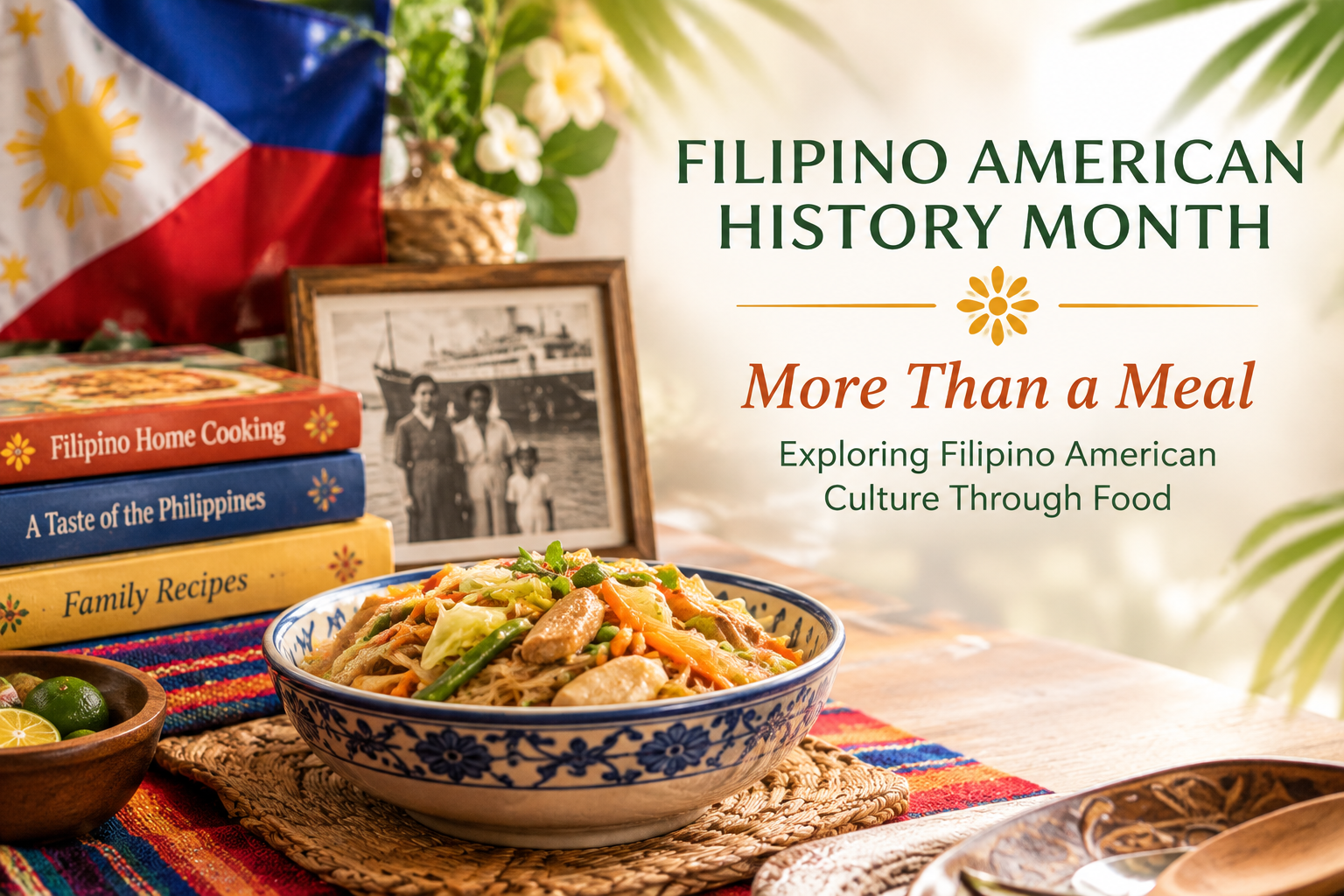
Communities can continue exploring new destinations throughout the year by celebrating cultural heritage months, seasonal ingredients, and international cuisines.


RecipeTree.Pro makes these experiences easier by providing standardized recipes that help ensure consistency while allowing communities to confidently introduce new flavors, seasonal specials, therapeutic diet adaptations, and IDDSI-friendly options.


Because sometimes the best journey begins with a single meal.
By Lori Reamer July 22, 2026
Carrot fritters are a perfect way to use up old carrots, and can be stored in the freezer to be enjoyed at a later date. Download Now
By Amanda Page July 22, 2026
Celebrate the flavors of the season with this versatile chef salad that can be customized based on available ingredients, preferences, and menu needs. Download Now
By Amanda Page July 22, 2026
Creamy, dreamy and packed with spices and seasoning, this white chili recipe will be your new favorite for cozy nights and game-day gatherings. Download Now
By Lori Reamer July 22, 2026
This recipe adds layers of flavor to the chicken, with a kicky rub, a sweet peachy glaze, and grilled peaches on the side. Download Now
By Amanda Page July 22, 2026
Enjoy a peach milkshake during summer's peak season. Download Now
By Lori Reamer July 22, 2026
A delicious and nutty breakfast casserole made with fresh or frozen blueberries perfect for a hearty breakfast or brunch. Download Now
By Amanda Page July 22, 2026
Vegetable lasagna with white sauce is a quick and easy dinner. Packed with veggies, cheese, and a store-bought alfredo sauce, this vegetarian lasagna is decadent and delicious. Download Now
By Amanda Page July 22, 2026
As we celebrate National Family Reunion Month and International Day of Friendship, it is worth examining the deep emotional connection human beings have with food. In senior living, mealtime is far more than a scheduled nutritional intake event. It is often the primary social highlight of a resident's day, a place where friendships are forged, stories are swapped, and a sense of "home" is reconstructed. When dining teams recognize that residents are essentially a family unit sharing a table, the approach to menu design shifts. It moves from simple food service to relational hospitality. 1. The Power of Culinary Nostalgia in Memory Care Food is uniquely tied to memory. The aroma of a slow-roasted family pot roast, fresh corn on the cob, or a classic summer berry cobbler can unlock vivid memories for residents experiencing cognitive decline. Serving dishes that evoke warm memories of family reunions or holiday gatherings provides comfort and grounding, helping to reduce anxiety and stimulate lagging appetites. 2. Fostering Social Connection and Reducing Isolation Loneliness and social isolation are major health risks in senior care. Shared food experiences, such as monthly "Family Reunion" theme dinners, resident-voted menu features, or interactive family-style dining naturally break down social barriers. When residents share a meal that reminds them of home, it opens doors to conversation: "My mother used to make her peach cobbler just like this," or "In my hometown, we always made this dish for summer picnics." 3. Operational Control: The Golden Rule of Inclusion The biggest challenge to implementing family-style or heritage recipes is maintaining regulatory compliance. A dish brought in by a resident's family member or an unstandardized "kitchen experiment" can lead to state deficiencies regarding food safety, allergen tracking, and therapeutic diet compliance. To make family-focused dining work operationally: Log Every Menu Shift: If you introduce a special "International Day of Friendship" feature that differs from your master menu cycle, make sure it is logged in your Menu Substitution Log with equivalent nutritional value verified. Standardize for All Diets: Never allow a special family-style feature to exclude texture-modified diets. Ensure every heritage recipe has an explicitly written, standardized IDDSI modification plan so every member of the community family can participate safely. When you blend the warmth of a family kitchen with the structure of professional recipe management, you create a dining room that nourishes both the body and the soul. How does your community use food to bring residents together like family? If you are looking for tools to help standardize resident recipes, manage IDDSI tiers, and track compliance, explore our free resources on the RecipeTree Culinary Toolkit page.
By Lori Reamer July 10, 2026
National Culinary Arts Month is an opportunity to celebrate the people who make dining programs possible every day. In senior living and healthcare dining, culinary teams do far more than prepare food. They translate nutrition and clinical needs into meals that are appealing, consistent, safe, and meaningful for residents. Recognizing that work matters. When chefs, cooks, and dining staff feel seen and encouraged to share their talents, communities can strengthen morale while keeping menus engaging and responsive to resident preferences. Ways to celebrate your culinary team this month: Spotlight a chef, cook, baker, dishwasher, or dining team member in a staff newsletter or on a dining-room display Invite team members to submit a favorite recipe, family dish, or creative menu idea Host a friendly cook-off, garnish challenge, soup contest, or seasonal dessert competition Give staff dedicated time to test one new recipe or plating idea Ask residents to share notes of appreciation or vote for a “resident favorite” meal Recognize behind-the-scenes contributions, including prep, sanitation, dishwashing, and service Ways to involve residents: Offer a chef’s-feature menu item each week Hold a tasting table or sample event before adding a new recipe to the menu cycle Create a “Meet the Chef” lunch or coffee chat Invite residents to submit recipe requests and food memories Use table tents to share the story behind a seasonal ingredient or featured dish Let residents vote on which new menu item should return Keep the momentum going beyond July  Creativity is most sustainable when it becomes part of the routine rather than a once-a-year event. Build a monthly recipe-testing process, schedule regular resident feedback opportunities, and maintain a shared library of successful recipes, preparation notes, and presentation ideas. Standardized recipes make this easier. They preserve the details that make a new dish successful: ingredients, yields, instructions, portions, and adaptations so the recipe can be repeated consistently across shifts and over time. The goal is not to make every meal complicated. It is to create space for your culinary team to bring fresh ideas forward, then build systems that help those ideas succeed.
By Amanda Page July 9, 2026
In senior care environments, dining is a cornerstone of resident quality of life. But when managing texture-modified diets like IDDSI Level 5 (Minced & Moist) and Level 6 (Soft & Bite Size), kitchens often struggle to maintain consistency. Texturized foods lose their structural integrity quickly, making them prone to drying out under heat strips and on steam tables. To protect your residents and maintain strict survey compliance, you must embrace a golden rule of healthcare hospitality: Sauce is Boss . Coating food in a stabilized, appropriate liquid is your primary defense against dry-out. Our latest kitchen guide breaks down exactly how to apply the right liquids across your menu cycle: 1. Choosing the Right Liquid Base Different culinary applications require different moisture strategies. Your kitchen should categorize its holding liquids into three distinct operational buckets based on the dish: Broths and Stocks (Chicken, Beef, Fish, Vegetable): Best utilized with marinated or heavily seasoned menu items. Because stocks are light, they keep delicate foods moist without distorting or overpowering the chef's intentional flavor profiles. Gravies (Brown, White/Cream, Mushroom, Red Eye): These are your heavy lifters. Gravies are required for roasts that have longer cooking times and inherently tougher cuts of meat. They provide the thick, cohesive binding power needed to keep minced or diced meats safely suspended. Sauces and Condiments: Don’t forget to add color and variety throughout your daily menu . Standard items like BBQ, Tomato, Pesto, Teriyaki, and even Chocolate sauce are excellent tools to coat foods smoothly, preventing dry-out while adding immediate visual contrast and familiar comfort to the plate. 2. The Plating and Coating Protocol To maintain absolute compliance on the line, your kitchen staff must follow a standardized coating protocol. As highlighted in the RecipeTree Sauce is Boss Infographic, proteins and grains must be thoroughly coated with a sauce or gravy to prevent texturized breakdown. Vegetables should also be coated with a sauce or gravy as needed to assist with transit safety. However, there is an exception to the rule: most fruits are inherently moist and do not require additional liquid binders, saving your team extra prep steps. 3. The Compliance Safeguard: Logs and Standardization While introducing a variety of gravies and savory sauces elevates your plates, protecting your community from a regulatory standpoint is paramount. If these specific sauce additions or substitutions are not written into your master menu cycle, they must be formally documented in your Menu Substitution Log . State surveyors inspect these logs to verify that any added sauces do not inadvertently alter the mandated therapeutic limits (such as fat, sodium, or sugar baselines) for residents on strict diets. Furthermore, ensure that your kitchen team utilizes an explicitly standardized recipe for every sauce and gravy served. From the starch ratios to final holding procedures, having locked-in measurements and clear texture boundaries ensures consistency for your staff and provides the bulletproof documentation needed for a successful, deficiency-free state survey. How does your community utilize sauces to keep your IDDSI menus compliant? Check out our full "Sauce is Boss" Infographic to print out for your line cooks, and explore our free resources on the RecipeTree IDDSI Hub page.
Show More