Sauce is Boss: Why Sauces Matter in IDDSI Texture-Modified Diets
When people think about texture-modified diets, they often focus on chopping, blending, or pureeing foods. While texture is essential, one ingredient can make an even bigger difference in creating safe, enjoyable meals: sauce.
For individuals following the International Dysphagia Diet Standardization Initiative (IDDSI) framework, keeping food moist isn't just about improving taste, it's a key part of making meals safer and easier to swallow.
Why Moisture Matters
Foods naturally lose moisture during cooking, reheating, and holding. Lean meats, grains, and vegetables can become dry, crumbly, or difficult to manage in the mouth. These dry textures increase the amount of chewing required and can make swallowing more challenging for individuals with dysphagia.
Adding an appropriate sauce, gravy, broth, or dressing helps:
- Keep foods soft and moist
- Improve bolus formation (creating a cohesive bite of food)
- Reduce dryness and crumbling
- Make swallowing easier and more comfortable
- Enhance flavor and meal satisfaction
In short, moist food is safer food for many individuals on IDDSI texture-modified diets.
"Sauce is Boss"
A simple way to remember this principle is:
Sauce is Boss.
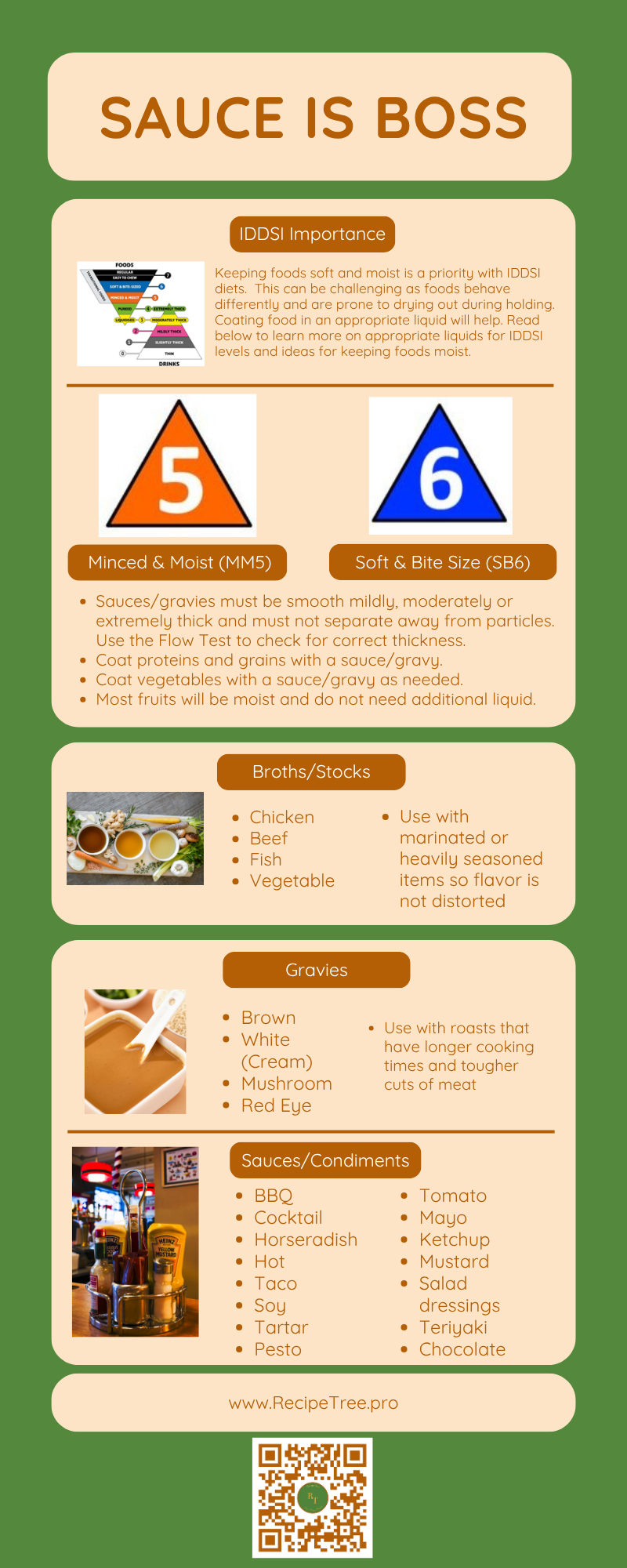
Rather than serving proteins, grains, and vegetables plain, coat them with an appropriate sauce that complements the meal while maintaining the correct IDDSI consistency.
Examples include:
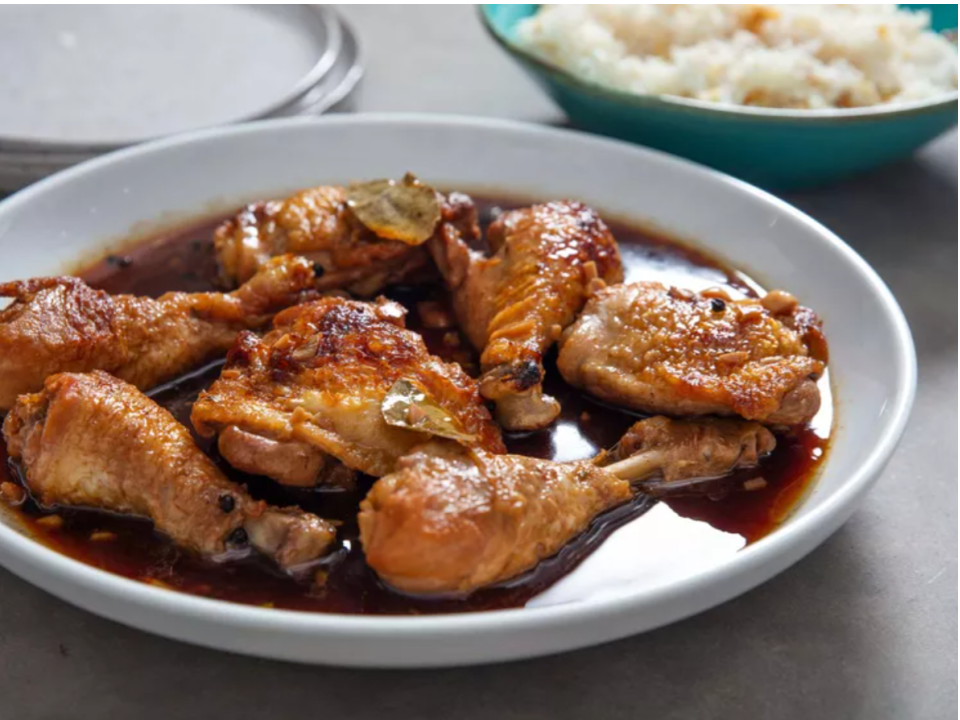
- Brown gravy with roast beef
- Cream sauce with chicken
- Mushroom gravy with meatloaf
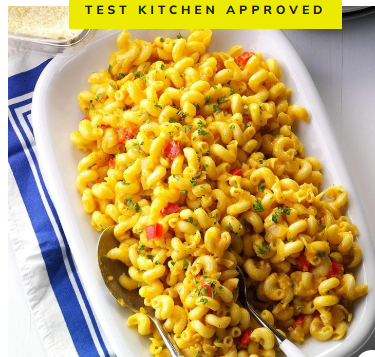
- Tomato sauce with pasta dishes
- Teriyaki glaze for chicken
- BBQ sauce for pulled meats
- Tartar sauce for fish
- Salad dressing for soft vegetable salads
- Chocolate sauce for appropriate desserts
Matching the sauce to the entrée not only improves moisture but also preserves familiar flavors that encourage better food intake.
Choosing the Right Sauce
Not every sauce is automatically appropriate for an IDDSI diet.
Sauces and gravies should:
- Be smooth and free of lumps
- Match the prescribed IDDSI thickness level
- Remain cohesive and not separate into liquid and solids
- Coat the food evenly instead of pooling on the plate
The IDDSI Flow Test is an excellent tool for confirming that sauces meet the required consistency before serving.
Which Foods Benefit Most?
Most proteins and starches benefit from added moisture.
Consider adding sauce to:
- Chicken
- Beef
- Pork
- Fish
- Rice
- Pasta
- Potatoes
- Vegetables when needed
Many fruits naturally contain enough moisture and may not require additional sauces unless needed for consistency or flavor.
More Than Safety, It's Better Dining
Sauce does more than improve swallowing safety. It also transforms the dining experience.
Properly sauced meals are:
- More visually appealing
- More flavorful
- Easier to eat
- Less fatiguing during meals
- More likely to be consumed completely
When residents enjoy their meals, nutritional intake often improves, supporting overall health and quality of life.
The Takeaway
For caregivers, dietary staff, and healthcare professionals, one simple habit can make a meaningful difference: never underestimate the power of sauce.
By keeping foods moist, cohesive, and matched to the appropriate IDDSI level, sauces help create meals that are both safe and enjoyable. Whether it's gravy over roast beef, cream sauce on chicken, or tomato sauce with pasta, adding the right sauce can improve swallowing safety, preserve flavor, and enhance the overall dining experience.
Because when it comes to IDDSI texture-modified diets, Sauce is Boss.