Building a Strong Recipe Team in Senior Living and Healthcare Dining
Creating high-quality recipes in senior living and healthcare dining takes more than culinary skill alone. Recipes must support food safety, resident preferences, therapeutic diet needs, texture-modified diets, nutrition goals, and operational realities. That is a significant responsibility for any one person to manage.
A strong recipe team brings together the right mix of expertise to help communities develop, evaluate, and serve recipes with greater confidence. While each organization may structure its team differently, collaboration across culinary, nutrition, clinical, and operational roles can lead to safer, more satisfying, and more consistent dining experiences.
Why a Recipe Team Matters
The resources needed to create and maintain quality recipes can be limited, especially in communities managing staffing challenges, changing census, and a wide range of resident needs. A recipe team helps distribute responsibility across the people best equipped to make decisions in their area of expertise.
When key stakeholders work together, recipes can be reviewed not only for flavor and presentation, but also for food safety, therapeutic diet compatibility, texture modification, purchasing practicality, and resident appeal.
This collaborative approach helps ensure that recipes are practical for the kitchen to prepare and appropriate for the people being served.
The Certified Dietary Manager: Supporting Quality and Safety
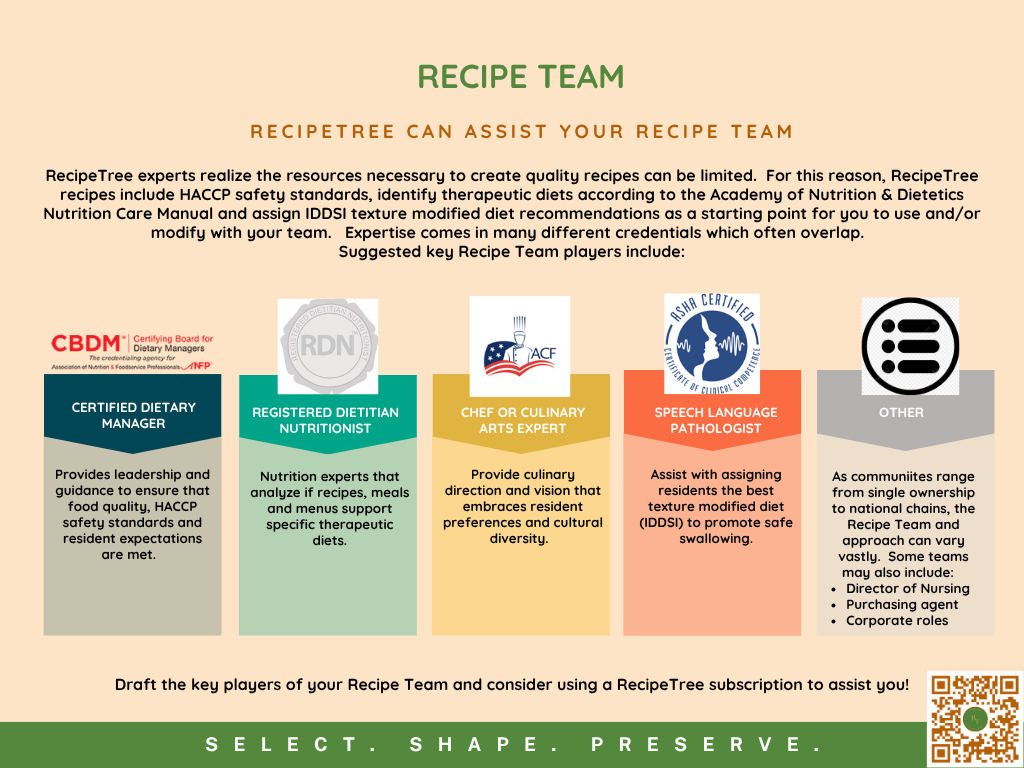
Certified Dietary Managers often provide essential leadership and guidance within the dining program. Their role may include helping ensure that food quality, HACCP safety standards, and resident expectations are consistently met.
Because CDMs understand both foodservice operations and the day-to-day needs of the dining department, they can help identify whether a recipe is realistic for the team to execute. They may also support staff training, production planning, portion consistency, and recipe implementation.
The Registered Dietitian Nutritionist: Connecting Recipes to Nutrition Needs
Registered Dietitian Nutritionists bring specialized nutrition expertise to the recipe team. They can help analyze whether recipes, meals, and menus support the therapeutic diet needs of residents.
Their input is especially valuable when recipes need to align with nutrition care plans or dietary restrictions. A dietitian can help evaluate nutrient content, ingredients, substitutions, and menu patterns to support needs such as carbohydrate-controlled, renal, heart-healthy, or other therapeutic diets.
By involving nutrition expertise early in recipe development, communities can reduce the need for last-minute changes and create more cohesive menus.
The Chef or Culinary Arts Expert: Bringing Flavor, Variety, and Vision
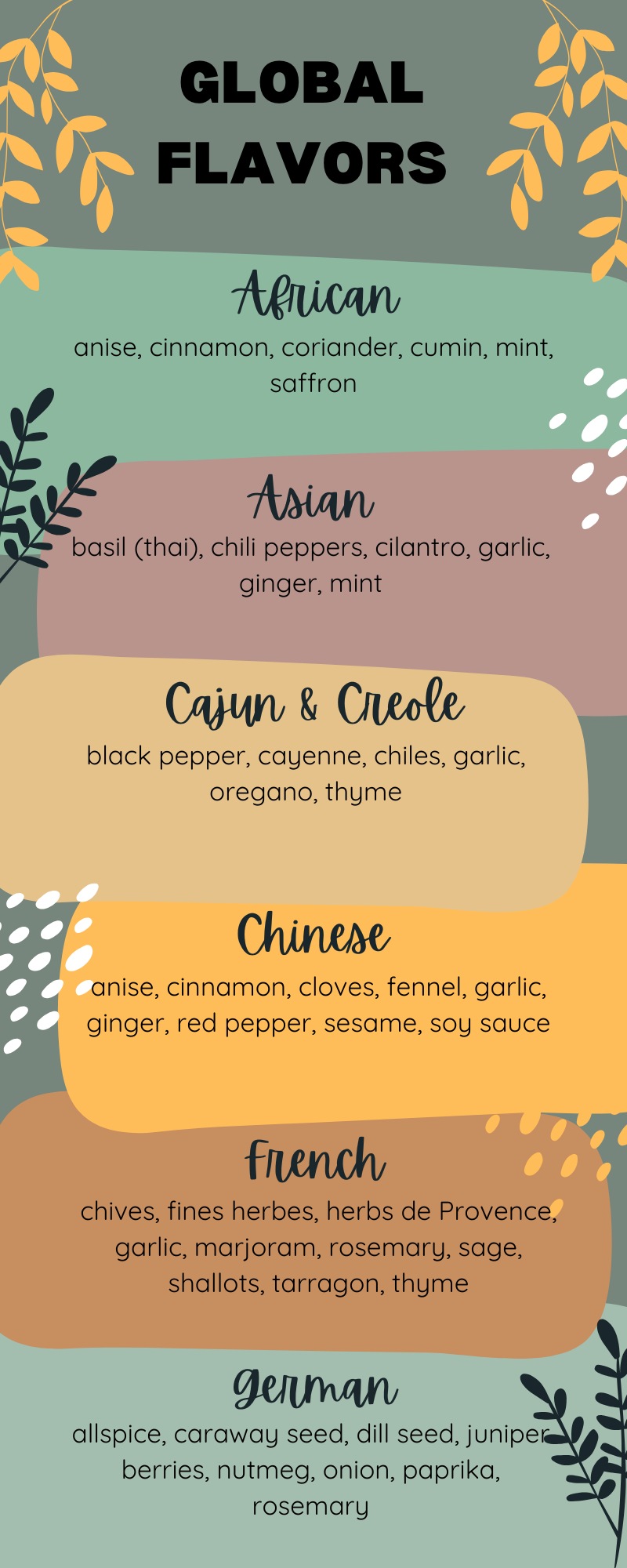
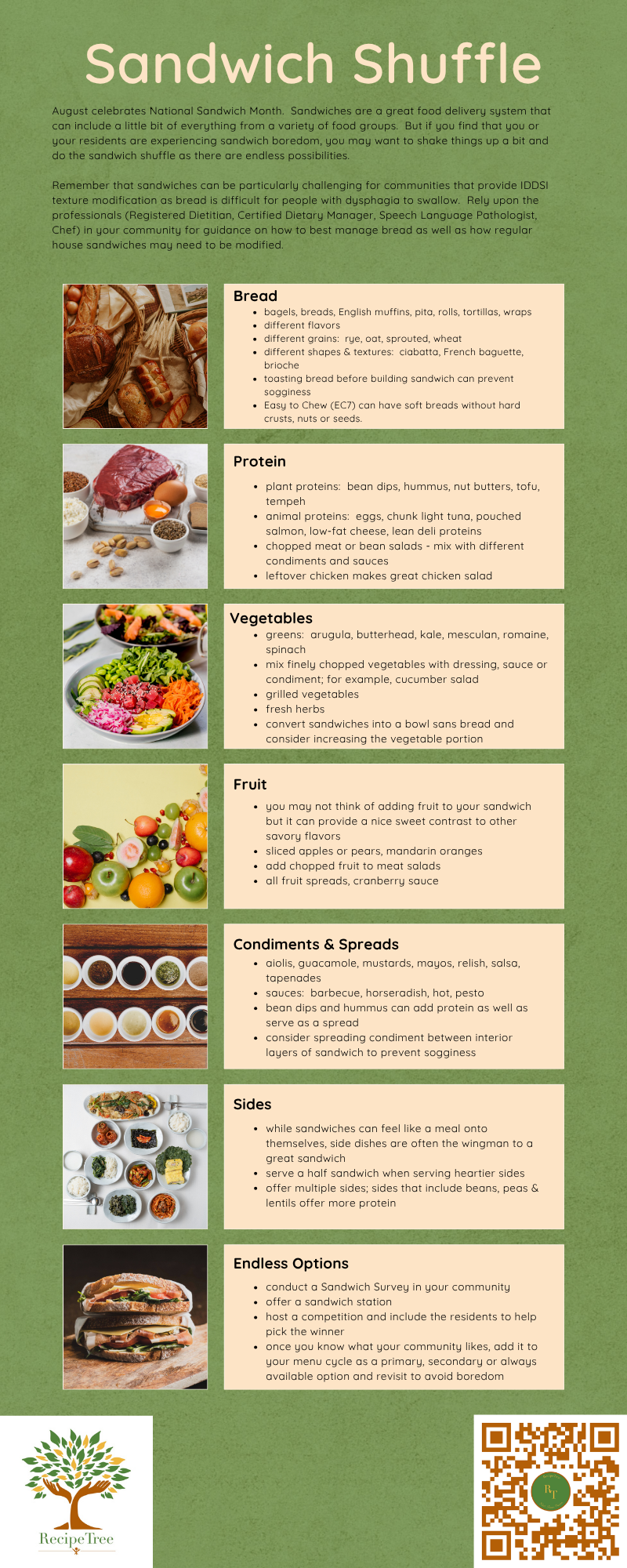
Chefs and culinary professionals provide the creativity and technical skill that help recipes become enjoyable meals. Their role includes developing flavor, selecting preparation methods, improving presentation, and creating menu variety.
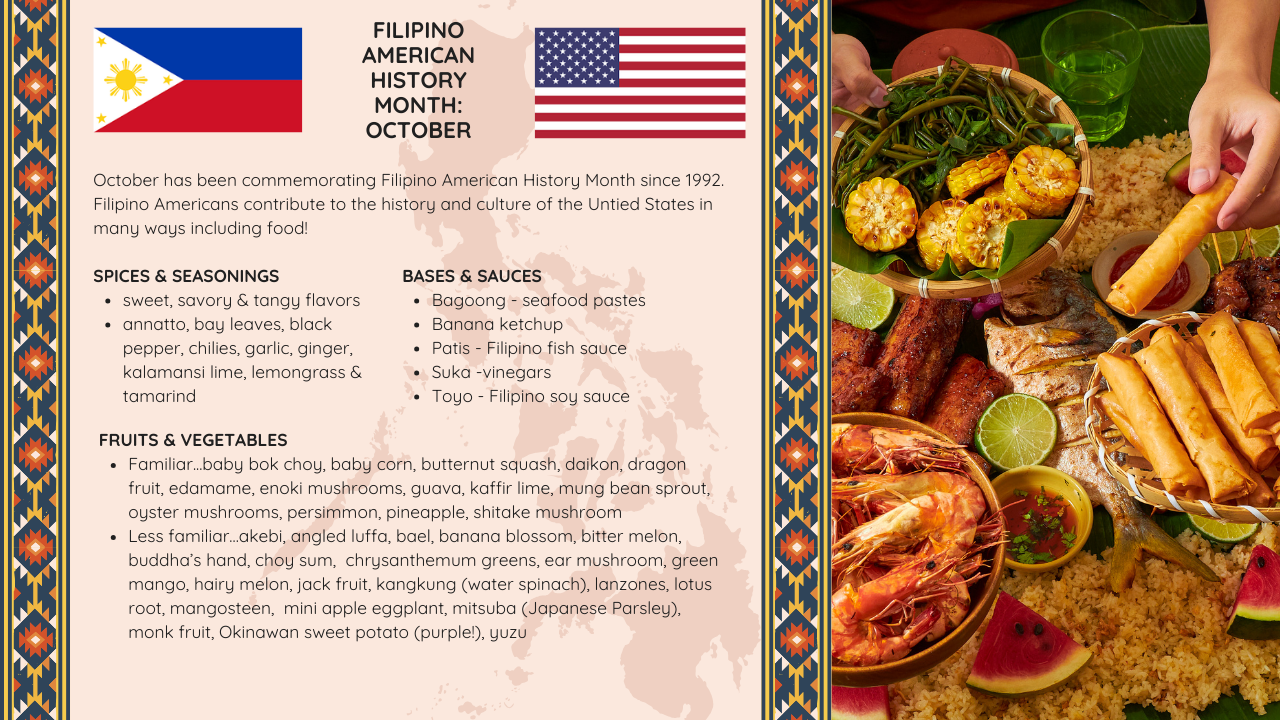
A culinary expert can also help ensure that recipes reflect resident preferences and cultural diversity. This is particularly important in communities serving residents with varied backgrounds, traditions, and food memories.
The chef’s perspective helps bridge the gap between nutrition requirements and a meal that residents genuinely want to eat.
The Speech-Language Pathologist: Supporting Safe Swallowing
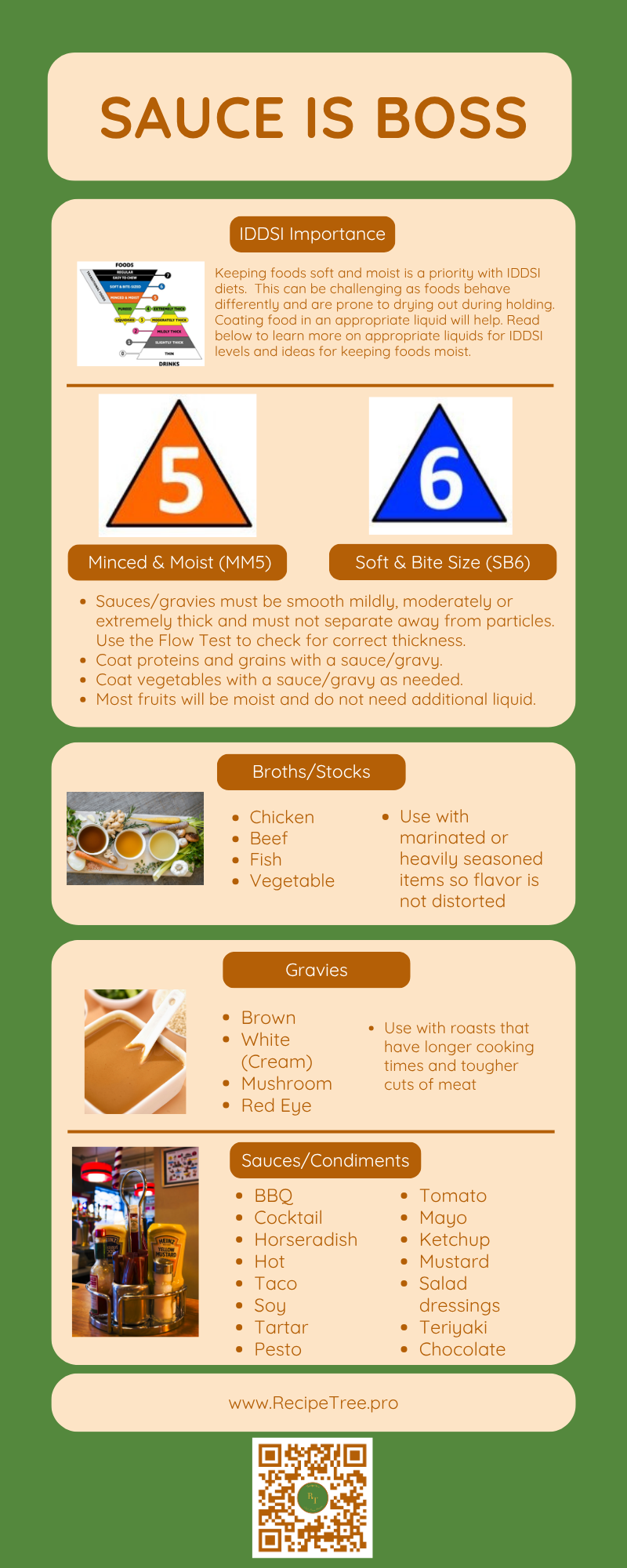
Speech-Language Pathologists play an important role for residents who require texture-modified diets. They assist with assigning the most appropriate IDDSI texture-modified diet to promote safe swallowing.
Their expertise can guide the recipe team as it considers how foods should be prepared, modified, and served for residents with dysphagia. Collaboration between the SLP, culinary team, and dietitian can help ensure that texture-modified meals are both safe and appealing.
It is important to remember that recipes intended for IDDSI texture-modified diets should be prepared and tested by the community to confirm they meet the required level for the individual resident.
Other Team Members Who Can Make a Difference
Recipe teams may also include additional roles based on the size and structure of the organization. Directors of Nursing can offer insight into resident care needs and clinical priorities. Purchasing agents can help assess product availability, pricing, and purchasing consistency. Corporate leaders may provide guidance on menu standards, operational goals, and system-wide implementation.
In smaller communities, one person may hold several responsibilities. In larger organizations, the recipe team may include representatives from multiple departments or locations. The most important factor is ensuring that the right perspectives are included when decisions affect resident dining and safety.
How RecipeTree Can Support Your Team
A recipe resource can help streamline the work of a collaborative team by providing a starting point for recipe development and review. RecipeTree recipes include HACCP food safety standards, therapeutic diet identification based on the Academy of Nutrition and Dietetics Nutrition Care Manual, and IDDSI texture-modified diet recommendations that teams can use and modify based on their own residents and processes.
A shared recipe platform can also make it easier for culinary, nutrition, and operational team members to access the same recipe information, maintain consistency, and build a recipe collection that works for the community.
Start by Identifying Your Key Players
Every community’s recipe team will look different. Begin by identifying the people who influence food quality, nutrition, therapeutic diets, texture-modified diets, purchasing, and resident satisfaction. Then create a process for bringing those perspectives together when developing or updating recipes.
A well-rounded recipe team helps turn recipes into more than instructions. It helps create meals that are safe, nourishing, culturally responsive, operationally realistic, and enjoyable for residents.
The Recipe Team infographic identifies the complementary roles of dietary management, nutrition, culinary, speech-language pathology, nursing, purchasing, and organizational leadership in recipe development and implementation.