Recipe Roadmap for Memory Care: Supporting Nutrition, Independence, and Quality of Life
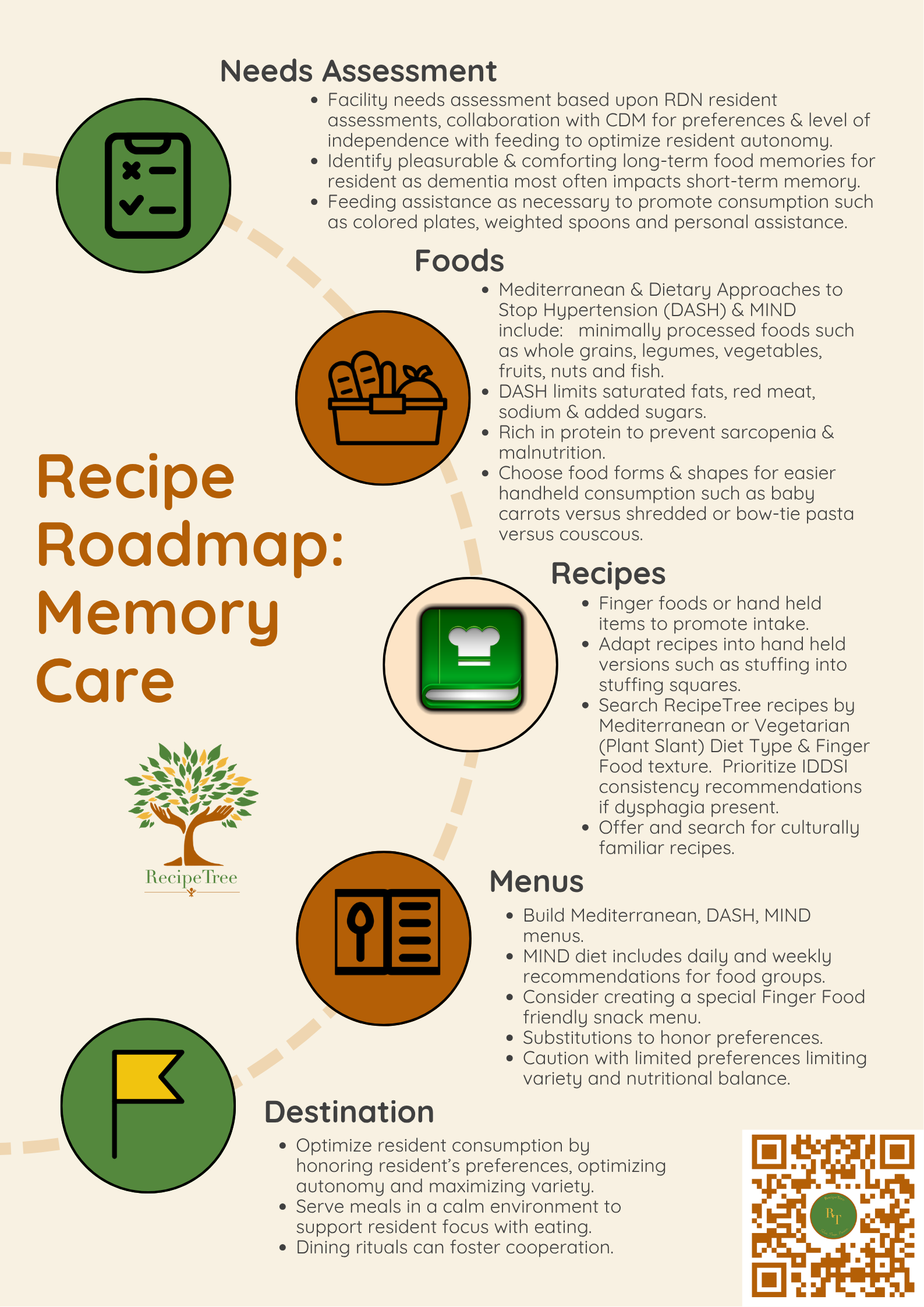
Providing nutritious meals for individuals living with dementia requires much more than simply serving food. Memory care dining should be intentional, personalized, and designed to support both nutritional health and quality of life. A well-developed recipe roadmap can help caregivers, dietitians, and foodservice professionals create meals that honor resident preferences, encourage independence, and address common challenges associated with cognitive decline.
Understanding the Unique Needs of Memory Care Residents
As dementia progresses, individuals often experience changes that affect their ability and desire to eat. Short-term memory loss may cause residents to forget they have eaten or lose interest in meals altogether. Sensory changes can alter taste preferences, while decreased attention span may make it difficult to remain focused during mealtimes.
A thorough needs assessment is the foundation of successful memory care dining. Registered Dietitian Nutritionists (RDNs), Certified Dietary Managers (CDMs), caregivers, and family members should work together to identify:
- Long-term food memories and favorite meals
- Cultural and personal food preferences
- Level of independence with eating
- Physical limitations affecting self-feeding
- Nutritional risks such as weight loss, malnutrition, or dehydration
- Swallowing difficulties (dysphagia)
Understanding these factors allows care teams to create dining experiences that are both nourishing and comforting.
Food as a Connection to Memory
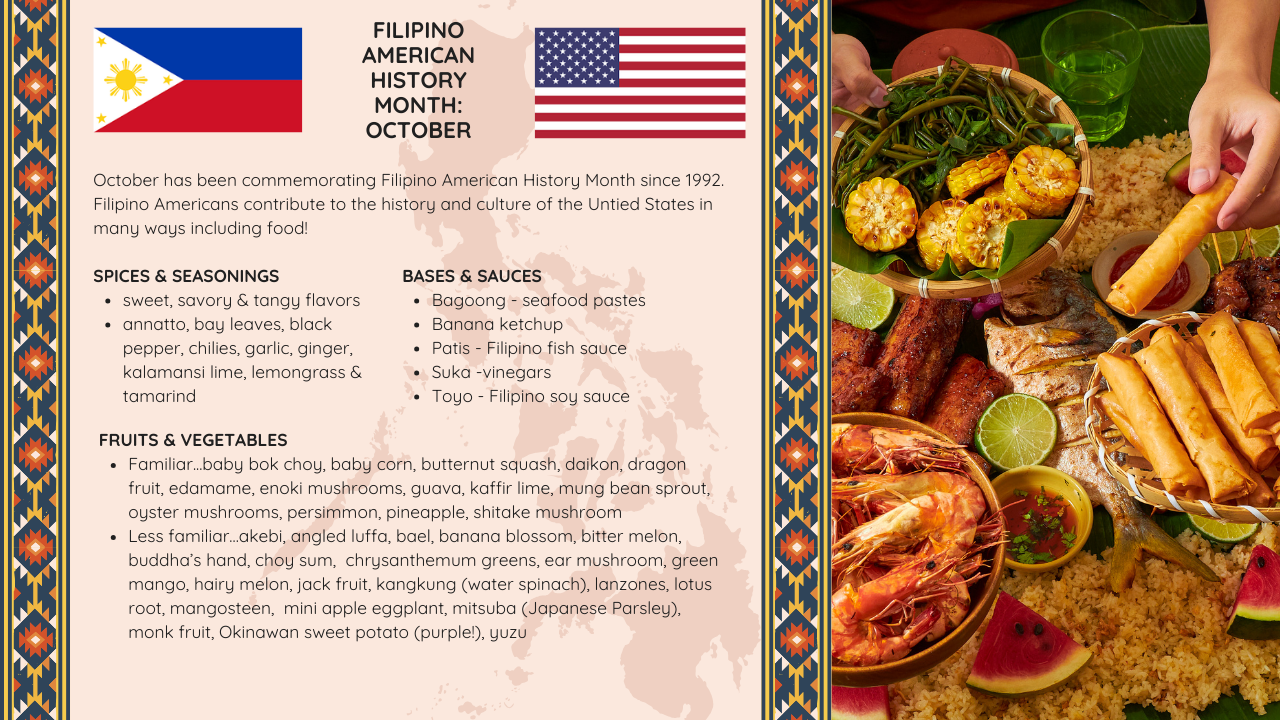
One of the most effective strategies in memory care is incorporating foods that evoke positive long-term memories. While dementia often impacts short-term memory, many individuals retain strong connections to foods associated with family traditions, cultural celebrations, and childhood experiences.
Serving familiar dishes can:
- Increase meal acceptance
- Reduce anxiety around eating
- Encourage social interaction
- Improve overall food intake
Simple modifications can preserve these beloved flavors while meeting changing nutritional and physical needs.
Building a Brain-Healthy Menu
Research continues to support dietary patterns that promote brain health and overall wellness. Memory care menus can benefit from incorporating principles from the Mediterranean, DASH, and MIND diets.
These eating patterns emphasize:
- Vegetables and fruits
- Whole grains
- Legumes and beans
- Nuts and seeds
- Fish and seafood
- Healthy fats such as olive oil
At the same time, they limit:
- Saturated fats
- Excess sodium
- Added sugars
- Highly processed foods
- Large amounts of red meat
Protein is especially important for older adults. Adequate protein intake helps prevent sarcopenia, the age-related loss of muscle mass and strength, while supporting immune function and overall health.
Promoting Independence Through Finger Foods
As dementia progresses, some residents may struggle to use utensils or remain seated for extended periods. Finger foods can help maintain independence while improving nutritional intake.
Examples include:
- Stuffing squares instead of loose stuffing
- Vegetable fritters
- Mini quiches
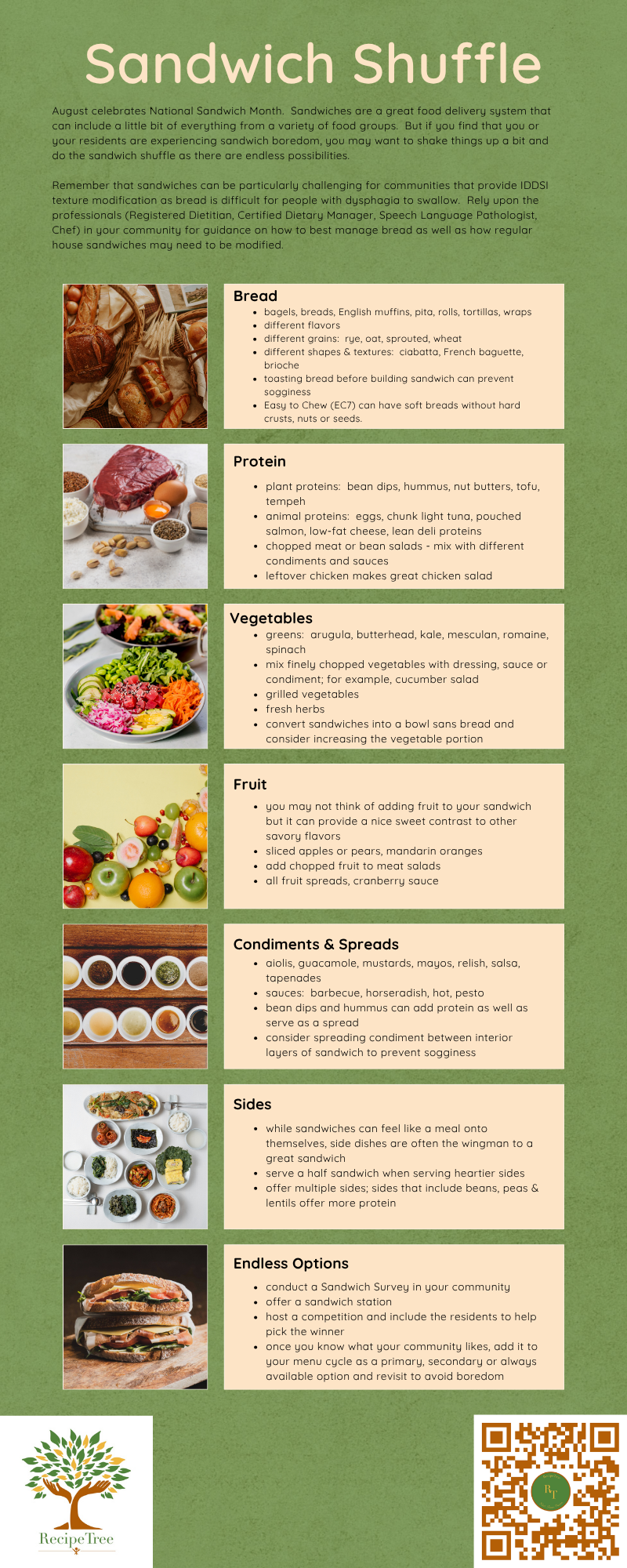
- Handheld sandwiches
- Baked chicken strips
- Soft vegetable sticks
- Fruit wedges
Choosing foods that are easy to grasp can reduce frustration and increase successful self-feeding. For example, bow-tie pasta may be easier to manage than couscous, and baby carrots may be more practical than shredded carrots when appropriate for the individual's chewing and swallowing abilities.
Adaptive dining tools such as weighted utensils, colored plates, and personalized feeding assistance can further support autonomy.
When Cognitive Decline Includes Dysphagia
Many individuals with dementia eventually develop dysphagia, a swallowing disorder that can increase the risk of choking, aspiration pneumonia, dehydration, and malnutrition.
Signs of dysphagia may include:
- Coughing during meals
- Frequent throat clearing
- Pocketing food in the cheeks
- Wet or gurgly voice after eating
- Difficulty chewing
- Unexplained weight loss
- Recurrent respiratory infections
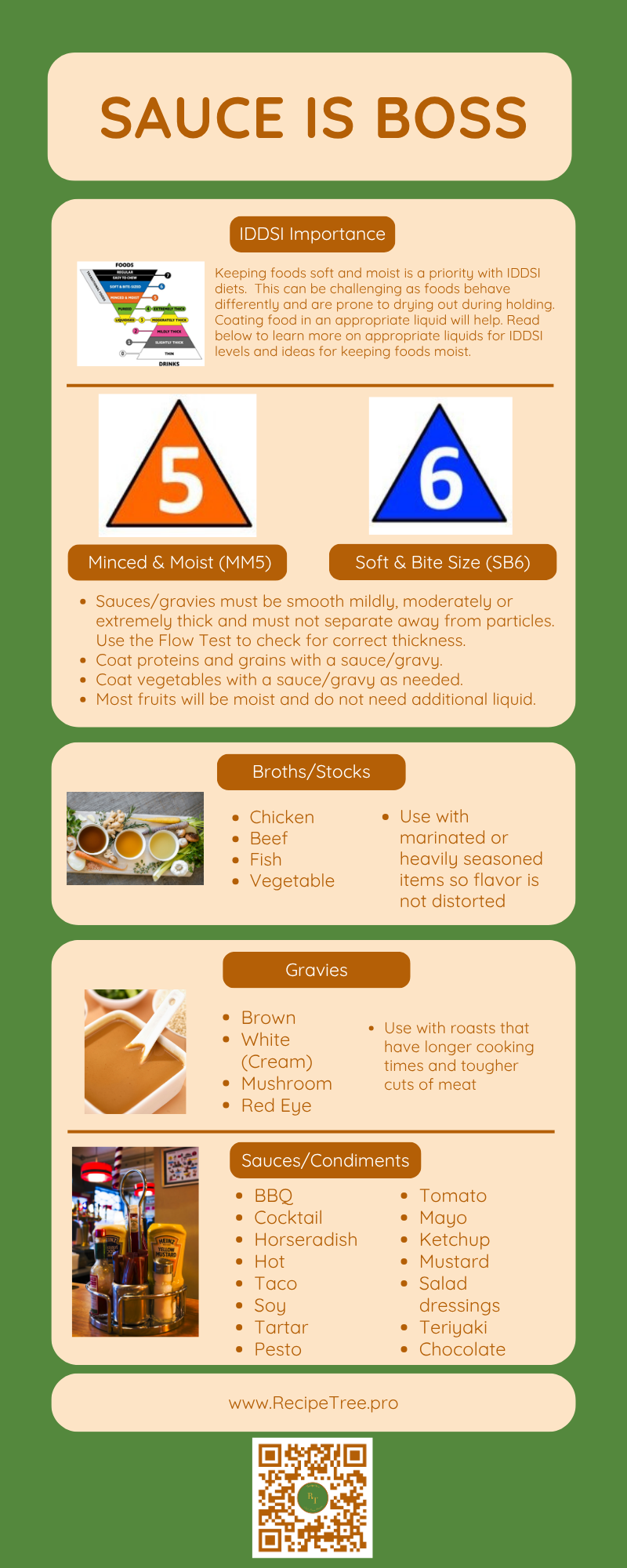
When dysphagia is present, food and beverage textures should be modified according to recommendations from healthcare professionals and the International Dysphagia Diet Standardisation Initiative (IDDSI).
Strategies for managing dysphagia include:
- Following prescribed texture modifications
- Offering moist, easy-to-swallow foods
- Avoiding mixed textures when recommended
- Ensuring proper seating and positioning during meals
- Providing smaller bites and slower pacing
- Monitoring hydration carefully
- Collaborating with speech-language pathologists and dietitians
Importantly, texture modification should not come at the expense of enjoyment. Favorite foods can often be adapted to meet swallowing needs while preserving familiar flavors and memories.
Creating a Calm Dining Environment
The dining environment itself plays a significant role in meal success.
Residents with dementia often eat better when meals are served in a calm, predictable setting. Reducing noise, minimizing distractions, and maintaining consistent dining routines can help residents focus on eating.
Simple dining rituals such as saying a blessing, sharing conversation, or following familiar meal patterns can provide comfort and encourage cooperation.
The Destination: Better Nutrition and Better Living
The ultimate goal of a memory care recipe roadmap is not simply to provide food, it is to support dignity, autonomy, and quality of life.
By honoring individual preferences, incorporating brain-healthy foods, adapting recipes for independence, and addressing challenges such as dysphagia, caregivers can create meaningful dining experiences that nourish both body and spirit.
Every meal becomes an opportunity to preserve memories, promote health, and foster connection. When food is approached with intention and compassion, it becomes one of the most powerful tools available in memory care.