Mirepoix Mix: The Flavor Foundation Behind Great Cooking
Amanda Page, CDM, CFPP • September 9, 2026

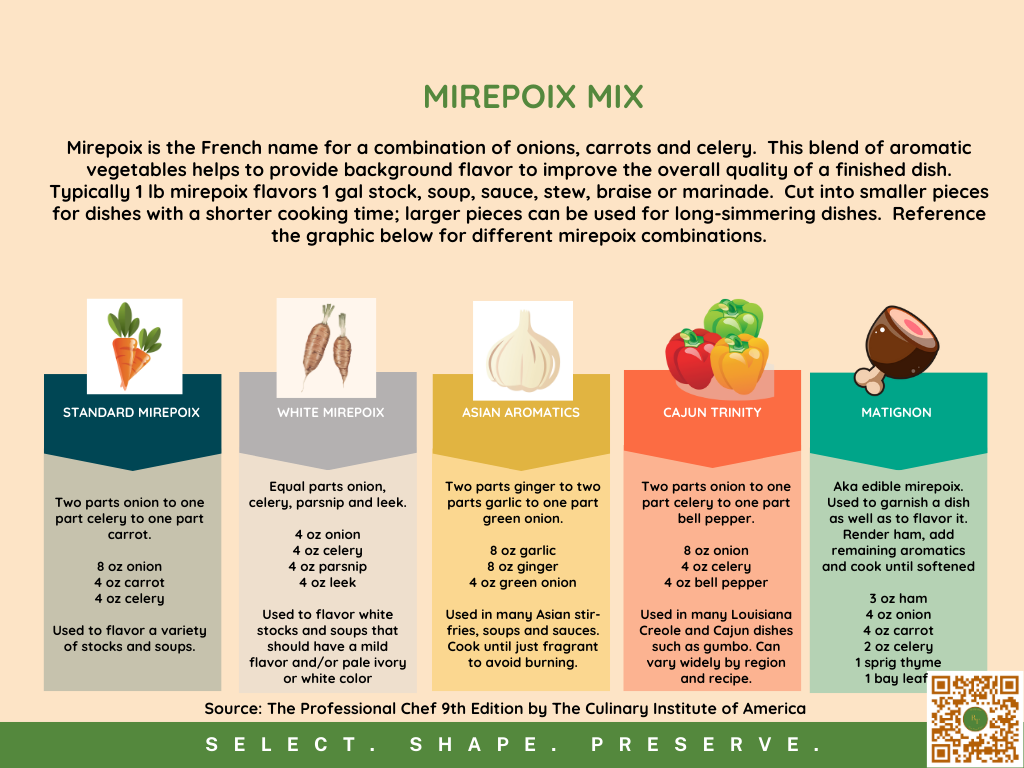
Mirepoix is the French name for a simple but essential combination of onions, carrots, and celery. This aromatic vegetable blend is often used as the flavor foundation for stocks, soups, sauces, stews, braises, marinades, and countless other dishes.


While it may seem like a small step in recipe preparation, mirepoix helps build depth, balance, and savory background flavor that can elevate the overall quality of a finished dish. In professional kitchens, it is one of the most common ways to begin a recipe because it creates a reliable base that supports the other ingredients to come.


Typically, one pound of mirepoix is used to flavor one gallon of stock, soup, sauce, stew, braise, or marinade. The vegetables can be cut into smaller pieces for recipes with shorter cooking times, while larger pieces work well for long-simmering dishes. Selecting the right cut size helps ensure the vegetables release flavor appropriately without becoming overcooked too quickly.


Standard Mirepoix


Traditional or standard mirepoix is made with two parts onion, one part celery, and one part carrot.

A common measurement is:

  • 8 ounces onion
  • 4 ounces carrot
  • 4 ounces celery


Standard mirepoix is used to flavor a wide variety of stocks and soups. Its balanced combination of sweet carrot, savory onion, and earthy celery makes it a versatile starting point for many menu items.


White Mirepoix


White mirepoix is a variation designed for recipes where a lighter color is preferred. It uses equal parts onion, celery, parsnip, and leek.


A common measurement is:

  • 4 ounces onion
  • 4 ounces celery
  • 4 ounces parsnip
  • 4 ounces leek


White mirepoix is often used in white stocks and soups that should maintain a mild flavor and pale ivory or white appearance. Replacing carrots with parsnips and leeks helps preserve the lighter color while still providing aromatic flavor.


Asian Aromatics


Asian aromatic blends often feature ginger, garlic, and green onion. This combination is commonly used in stir-fries, soups, sauces, and other Asian-inspired dishes.

A common ratio is:

  • 8 ounces garlic
  • 8 ounces ginger
  • 4 ounces green onion


Because garlic, ginger, and green onion can burn quickly, these ingredients should be cooked gently and monitored carefully. Their bold flavor and fragrance make them especially effective in dishes that need a bright, savory aromatic base.


Cajun Trinity


The Cajun Trinity is a Louisiana-inspired variation of mirepoix. Instead of carrots, it uses bell peppers along with onions and celery.

The standard ratio is:

  • 8 ounces onion
  • 4 ounces celery
  • 4 ounces bell pepper


This blend is commonly used in Louisiana Creole and Cajun dishes such as gumbo, jambalaya, étouffée, and other regional favorites. The Cajun Trinity can vary by region and recipe, giving chefs flexibility while maintaining its signature flavor profile.


Matignon


Matignon is sometimes described as an edible mirepoix. It is typically made with ham, onions, carrots, celery, and a bouquet garni. Unlike standard mirepoix, which is often strained or discarded after flavoring a dish, matignon is cooked until softened and can be served as part of the finished recipe.


A common measurement is:

  • 3 ounces ham
  • 4 ounces onion
  • 4 ounces carrot
  • 2 ounces celery
  • 1 sprig thyme
  • 1 bay leaf


Matignon adds richness and savory flavor, making it especially useful in braised dishes, sauces, and hearty entrées.


Why Aromatic Blends Matter in Menu Planning


Using standardized aromatic blends helps culinary teams create more consistent flavor across recipes and locations. When ingredient ratios, cut sizes, and preparation methods are clearly defined, staff members can more easily reproduce recipes with dependable results.


Aromatic blends also offer an easy way to introduce variety into menus. Standard mirepoix may be ideal for a classic chicken soup or vegetable stock, while Asian aromatics can bring flavor to a ginger chicken stir-fry. The Cajun Trinity can create a strong foundation for a flavorful gumbo, and white mirepoix can support a refined cream soup or light sauce.


By understanding these foundational combinations, culinary teams can make intentional choices that support flavor, appearance, regional authenticity, and recipe consistency.


A Simple Starting Point for Better Flavor


Whether you are preparing a stock, building a soup, braising meat, or creating a sauce, aromatic vegetable blends are an important part of the cooking process. Taking time to select the right mirepoix variation and preparing it properly can make a noticeable difference in the final dish.


From traditional French mirepoix to Cajun Trinity and Asian aromatics, these blends remind us that great flavor often begins with a few simple ingredients prepared with purpose.


Source: The Professional Chef, 9th Edition, The Culinary Institute of America.

By Lori Reamer, RDN September 9, 2026
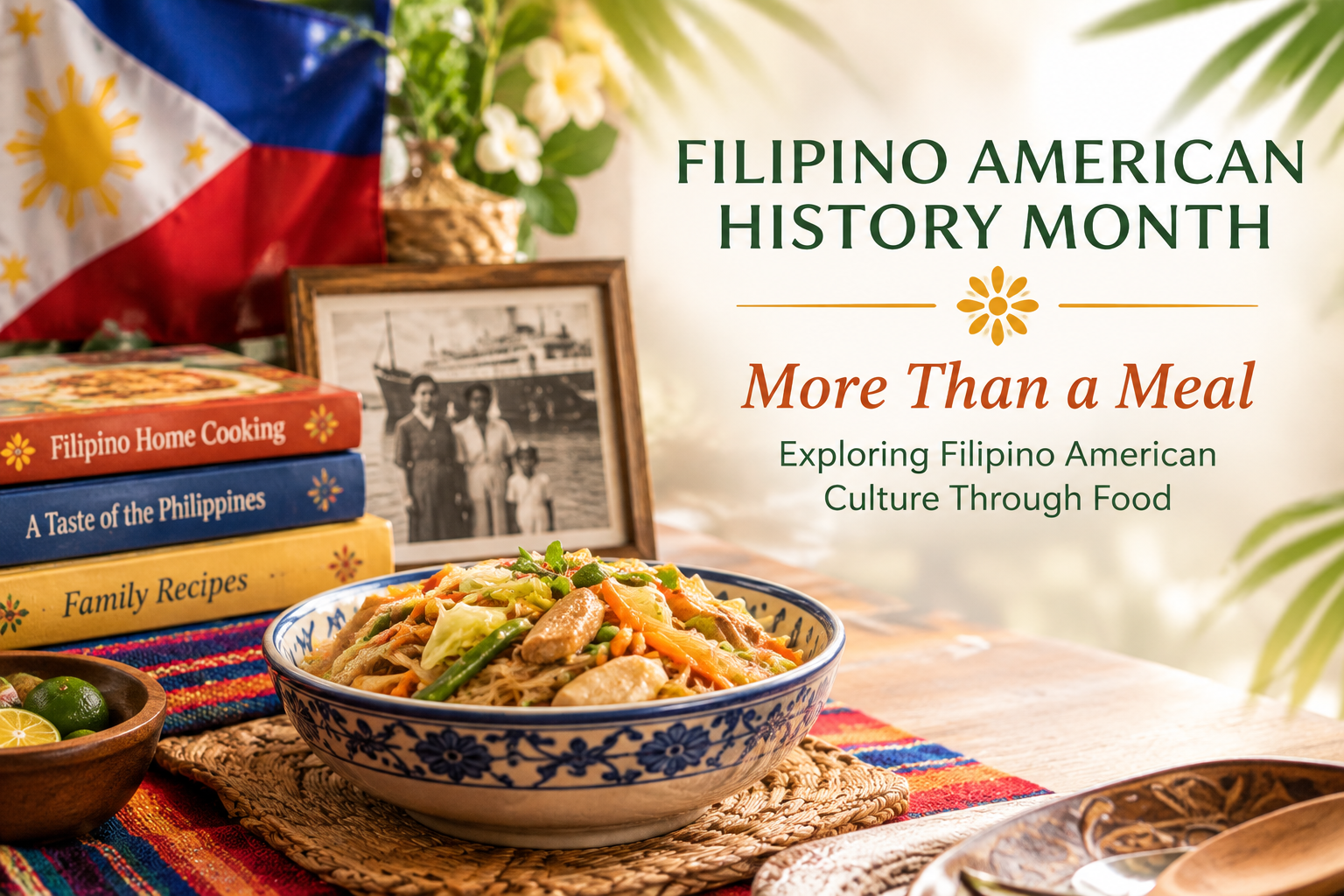
Each October, Filipino American History Month offers an opportunity to recognize the many contributions Filipino Americans have made to the history, culture, and communities of the United States. Food is one especially meaningful way to celebrate this rich heritage. For senior living and healthcare dining teams, exploring Filipino flavors can create engaging menu moments, encourage cultural connection, and introduce residents to new ingredients in an approachable way. Whether your community includes Filipino residents, team members, family members, or simply residents who enjoy trying new foods, Filipino-inspired dishes can bring warmth, variety, and conversation to the table. A Flavor Profile Built on Sweet, Savory, and Tangy Notes Filipino cuisine is known for its balance of sweet, savory, tangy, and sometimes spicy flavors. Many dishes layer familiar ingredients in distinctive ways, making this cuisine both comforting and exciting for residents. Common spices and seasonings include annatto, bay leaves, black pepper, chilies, garlic, ginger, calamansi lime, lemongrass, and tamarind. These ingredients can be used to build flavor in soups, rice dishes, proteins, vegetables, marinades, and sauces. Sauces and condiments also play an important role in Filipino cooking. Bagoong, a seafood paste; banana ketchup; patis, or Filipino fish sauce; suka, or vinegar; and toyo, or Filipino soy sauce, each contribute depth and character to dishes. Introducing one of these ingredients through a familiar recipe can be an approachable way to help residents experience a new flavor profile. Familiar Ingredients, New Possibilities Many fruits and vegetables used in Filipino cuisine may already be familiar to your culinary team. Baby bok choy, baby corn, butternut squash, daikon, dragon fruit, edamame, enoki mushrooms, guava, mung bean sprouts, oyster mushrooms, persimmons, pineapple, and shiitake mushrooms can all be incorporated into menus in creative ways. Other ingredients may be less familiar but offer opportunities for culinary exploration. Bitter melon, banana blossom, green mango, jackfruit, kangkung (water spinach), lotus root, mangosteen, Okinawan purple sweet potatoes, and yuzu can add variety, color, texture, and cultural relevance to menus. When introducing unfamiliar ingredients, begin with a familiar preparation. For example, feature purple sweet potatoes in a mashed potato-style side dish, add pineapple to a chicken entrée, or incorporate bok choy into a soup or stir-fry. Small introductions can build confidence and curiosity among residents. Nutrition Principles That Feel Familiar The Filipino daily nutrition guide and the U.S. MyPlate model share several important similarities. Both encourage filling half the plate with fruits and vegetables, one-quarter with grains, and one-quarter with lean protein. Both also recognize the importance of water and regular movement as part of a balanced lifestyle. This shared foundation can make Filipino-inspired menu items a natural fit within healthcare and senior living dining programs. A balanced plate might include grilled or braised chicken, a vegetable-rich side, rice or another grain, and a fruit-based dessert or beverage option. Bringing Filipino Flavors to Your Community Celebrating Filipino American History Month does not have to mean completely changing your menu. It can begin with curiosity, conversation, and a few thoughtful additions. Consider visiting a local Filipino restaurant or market with members of your food and nutrition team. Experiencing the aromas, ingredients, and menu offerings firsthand can inspire ideas for your own community. Restaurant and market owners may also be willing to share recommendations for dishes, ingredients, or flavor combinations that would translate well to senior dining. If your community has Filipino residents, invite them to share favorite foods, family recipes, or special memories connected to meals. Their insights can help guide menu selections and create a more personal, meaningful celebration. A tasting demonstration is another engaging option. Feature a few spices, sauces, fruits, or vegetables and invite residents to sample them in simple preparations. Start with familiar foods and add one new flavor at a time. For example, offer roasted vegetables with a tangy calamansi-inspired dressing or a savory soy and garlic sauce. Supporting IDDSI Texture-Modified Diets With Flavorful Sauces Sauces can be especially valuable when incorporating Filipino-inspired flavors into IDDSI texture-modified menus. They add moisture, support appropriate texture, and help make pureed or minced and moist foods more appealing. A smooth garlic, ginger, soy, or tamarind-inspired sauce can bring flavor to pureed vegetables, grains, seafood, or poultry. As with all texture-modified recipes, communities should ensure that finished items are prepared and tested to meet the appropriate IDDSI level. Flavor does not need to be sacrificed when adapting foods for therapeutic or texture-modified diets. In fact, sauces may be one of the simplest and most effective ways to introduce new flavor profiles while supporting both enjoyment and safety. Kain Tayo: Let’s Eat! Food has a unique ability to connect people to culture, memory, and one another. This Filipino American History Month, consider how your dining program can celebrate Filipino heritage through ingredients, stories, tasting opportunities, and menu inspiration. Whether you begin with a familiar vegetable, a flavorful sauce, or a resident’s favorite dish, each effort can help create a more inclusive and engaging dining experience. Kain tayo! Let’s eat!
By Lori Reamer, RDN September 9, 2026
Food is much more than nourishment. It's identity, tradition, comfort, and connection. A single bite of a familiar dish can evoke cherished memories of family gatherings, holidays, childhood kitchens, and cultural celebrations. In senior living communities, these connections become even more meaningful. As our aging population becomes increasingly diverse, incorporating global flavors into menus is no longer simply a culinary trend, it's an essential component of person-centered care. Why Culturally Familiar Foods Matter Residents enter senior living with a lifetime of food traditions. Meals that reflect their cultural heritage can foster comfort, encourage social engagement, and improve overall satisfaction with dining. For many older adults, familiar foods provide a sense of belonging and normalcy during a significant life transition. They can also stimulate positive memories, making meals more enjoyable and encouraging better nutritional intake. For residents living with dementia, culturally familiar foods may have an even greater impact. While short-term memory often declines, long-term memories frequently remain intact. Familiar aromas, flavors, and traditional recipes can spark recognition, reduce anxiety, and create meaningful moments during mealtimes. Building Flavor Through Authentic Herbs and Spices One of the easiest ways to introduce global cuisine is by using the herbs and spices that define each culinary tradition. Rather than relying solely on salt, authentic seasonings add depth, aroma, and character while helping create recognizable flavor profiles. For example: African cuisine often features anise, cinnamon, coriander, cumin, mint, and saffron. Asian cooking highlights Thai basil, chili peppers, cilantro, garlic, ginger, and mint. Chinese cuisine incorporates anise, cloves, fennel, garlic, ginger, sesame, soy sauce, and red pepper. French dishes are known for herbs such as thyme, rosemary, tarragon, sage, marjoram, chives, and shallots. German cuisine commonly includes caraway seed, dill seed, juniper berries, paprika, rosemary, and nutmeg. Greek recipes often combine lemon, garlic, oregano, rosemary, mint, fennel, and bay leaf. Indian cuisine builds complex flavor with cardamom, cloves, coriander, cumin, curry, garlic, ginger, nutmeg, and red pepper. Italian cooking emphasizes basil, garlic, oregano, rosemary, sage, thyme, fennel, and marjoram. Mexican dishes feature chile peppers, cilantro, cumin, garlic, oregano, lime, and coriander. Middle Eastern and Moroccan cuisines layer warm spices like cinnamon, cloves, coriander, cumin, saffron, fenugreek, thyme, and ginger. Spanish cuisine often includes paprika, saffron, garlic, parsley, bay leaf, cumin, and cinnamon. Swedish recipes highlight dill, cardamom, mustard, allspice, bay leaf, cinnamon, and nutmeg. Thai cuisine combines chile peppers, citrus, coriander, garlic, mint, dill, and turmeric. These signature ingredients help transform familiar menu items into authentic dining experiences that celebrate residents' heritage. Creating Inclusive Menus Serving culturally familiar foods begins with understanding your residents. Nutrition professionals and culinary teams should work together to learn each resident's cultural background, favorite meals, religious considerations, and family traditions. Simple additions can make a meaningful difference: Feature global entrées on rotating menus. Celebrate cultural holidays with traditional recipes. Offer authentic side dishes and seasonings. Invite residents and families to share treasured family recipes. Incorporate herbs and spices that reflect residents' backgrounds while maintaining appropriate therapeutic diet modifications. These efforts demonstrate respect for each resident's life story while creating opportunities for conversation and community around the dining table. Food as Person-Centered Care Person-centered dining goes beyond meeting nutritional requirements; it honors the whole person. When residents recognize the flavors of their heritage, meals become more than routine. They become opportunities to reconnect with cherished memories, celebrate lifelong traditions, and preserve cultural identity. For senior living communities, embracing global flavors is an investment in quality of life. It enhances resident satisfaction, supports nutritional intake, encourages social engagement, and creates dining experiences that truly feel like home. Because every resident has a story to tell and often, that story begins around the family table.
By Amanda Page, CDM, CFPP September 9, 2026
When people think about texture-modified diets, they often focus on chopping, blending, or pureeing foods. While texture is essential, one ingredient can make an even bigger difference in creating safe, enjoyable meals: sauce . For individuals following the International Dysphagia Diet Standardization Initiative (IDDSI) framework, keeping food moist isn't just about improving taste, it's a key part of making meals safer and easier to swallow. Why Moisture Matters Foods naturally lose moisture during cooking, reheating, and holding. Lean meats, grains, and vegetables can become dry, crumbly, or difficult to manage in the mouth. These dry textures increase the amount of chewing required and can make swallowing more challenging for individuals with dysphagia. Adding an appropriate sauce, gravy, broth, or dressing helps: Keep foods soft and moist Improve bolus formation (creating a cohesive bite of food) Reduce dryness and crumbling Make swallowing easier and more comfortable Enhance flavor and meal satisfaction In short, moist food is safer food for many individuals on IDDSI texture-modified diets. "Sauce is Boss" A simple way to remember this principle is: Sauce is Boss. Rather than serving proteins, grains, and vegetables plain, coat them with an appropriate sauce that complements the meal while maintaining the correct IDDSI consistency. Examples include: Brown gravy with roast beef Cream sauce with chicken Mushroom gravy with meatloaf Tomato sauce with pasta dishes Teriyaki glaze for chicken BBQ sauce for pulled meats Tartar sauce for fish Salad dressing for soft vegetable salads Chocolate sauce for appropriate desserts Matching the sauce to the entrée not only improves moisture but also preserves familiar flavors that encourage better food intake. Choosing the Right Sauce Not every sauce is automatically appropriate for an IDDSI diet. Sauces and gravies should: Be smooth and free of lumps Match the prescribed IDDSI thickness level Remain cohesive and not separate into liquid and solids Coat the food evenly instead of pooling on the plate The IDDSI Flow Test is an excellent tool for confirming that sauces meet the required consistency before serving. Which Foods Benefit Most? Most proteins and starches benefit from added moisture. Consider adding sauce to: Chicken Beef Pork Fish Rice Pasta Potatoes Vegetables when needed Many fruits naturally contain enough moisture and may not require additional sauces unless needed for consistency or flavor. More Than Safety, It's Better Dining Sauce does more than improve swallowing safety. It also transforms the dining experience. Properly sauced meals are: More visually appealing More flavorful Easier to eat Less fatiguing during meals More likely to be consumed completely When residents enjoy their meals, nutritional intake often improves, supporting overall health and quality of life. The Takeaway For caregivers, dietary staff, and healthcare professionals, one simple habit can make a meaningful difference: never underestimate the power of sauce. By keeping foods moist, cohesive, and matched to the appropriate IDDSI level, sauces help create meals that are both safe and enjoyable. Whether it's gravy over roast beef, cream sauce on chicken, or tomato sauce with pasta, adding the right sauce can improve swallowing safety, preserve flavor, and enhance the overall dining experience.  Because when it comes to IDDSI texture-modified diets, Sauce is Boss.
By Lori Reamer, RDN September 9, 2026
August is National Sandwich Month, making it the perfect opportunity to breathe new life into one of the most familiar menu items. Sandwiches are incredibly versatile as they're a convenient way to combine protein, grains, vegetables, fruit, and flavorful spreads into a satisfying meal. If your residents are experiencing "sandwich fatigue," a few simple changes can transform an ordinary sandwich into something they'll look forward to eating. Start with the Bread Bread is much more than just a vehicle for the filling. Switching up the bread can completely change the dining experience. Consider rotating: Bagels, English muffins, pita bread, tortillas, wraps, and rolls Whole grain, rye, oat, wheat, or sprouted grain varieties Specialty breads like brioche, ciabatta, or French bread Different flavors and shapes to add visual appeal Toasting bread before assembling sandwiches can help reduce sogginess and improve texture. For residents receiving Easy to Chew (IDDSI Level 7 Easy to Chew), choose soft breads without hard crusts, seeds, or nuts. Build Better Protein Protein is often the star of the sandwich, but it doesn't have to be the same deli meat every week. Try rotating: Egg salad Chunk light tuna Pouched salmon Lean deli meats Low-fat cheese Chicken salad made from leftover roasted chicken Bean dips or hummus Nut butters (when appropriate) Tofu or tempeh Mix proteins with different sauces and seasonings to create fresh flavor combinations while making fillings moist and easy to bite. Don't Forget the Vegetables Vegetables add freshness, color, texture, and nutrition. Experiment with: Spinach Romaine Butter lettuce Arugula Kale Mesclun greens Grilled vegetables Fresh herbs Finely chopping vegetables and mixing them with a dressing or condiment can improve texture while distributing flavor more evenly throughout the sandwich. If you're looking for a lighter option, consider turning sandwich ingredients into a grain or salad bowl instead of serving them on bread. Add a Sweet Surprise Fruit can provide a delicious contrast to savory ingredients. Some favorites include: Thinly sliced apples Pears Mandarin oranges Cranberry sauce Fruit preserves Chopped fruit mixed into chicken or tuna salad These combinations often surprise residents and can become new favorites. Spread the Flavor Around Condiments are an easy way to create endless variety. Try: Aiolis Mustards Guacamole Mayonnaise Relish Salsa Tapenades Pesto Barbecue sauce Horseradish sauce Hummus or bean dips Applying spreads between interior layers instead of directly on the bread can help prevent sogginess while improving flavor distribution. Complete the Meal The sandwich doesn't have to do all the work. Serve sandwiches alongside: Bean salads Lentil salads Vegetable soups Fresh fruit Roasted vegetables Cottage cheese Pasta or grain salads When serving more substantial sides, consider offering a half sandwich to help manage portions and reduce waste. Make It Interactive Residents often enjoy having a voice in menu planning. Ideas include: Conduct a resident sandwich survey. Create a build-your-own sandwich station. Host a sandwich competition among staff or residents. Add winning sandwiches to the regular menu cycle. Rotate favorites regularly to prevent menu fatigue. Sandwiches and IDDSI Texture-Modified Diets Traditional sandwiches can present significant challenges for individuals with dysphagia because bread can become sticky, dry, or difficult to form into a safe, cohesive bolus. Successful sandwich service for residents on IDDSI diets requires collaboration among the Registered Dietitian, Speech-Language Pathologist, Certified Dietary Manager, and culinary team to ensure foods meet the appropriate texture recommendations. Rather than eliminating sandwiches altogether, consider these strategies: For Easy to Chew (IDDSI Level 7 EC) Choose soft sandwich breads without thick crusts, seeds, or nuts. Lightly toast bread only if it remains soft and easy to chew. Add moist fillings with mayonnaise, yogurt-based dressings, gravy, or other sauces to improve swallow safety. Avoid overly dry or thick meat slices. For Minced & Moist (IDDSI Level 5) Skip traditional bread. Serve chopped sandwich fillings over mashed potatoes, soft grains, or finely chopped vegetables. Offer "sandwich bowls" featuring minced chicken salad, tuna salad, or egg salad with appropriate sides. Finely mince all ingredients and ensure adequate moisture throughout. For Pureed (IDDSI Level 4) Transform familiar sandwich flavors into pureed meals by separately pureeing bread (when appropriate), protein, vegetables, and condiments to the required consistency. Consider serving pureed chicken salad, ham salad, egg salad, or turkey with complementary pureed vegetables and fruit. Use molds, piping, or careful plating to improve visual appeal and preserve meal identity. Think Beyond Bread Residents often enjoy the familiar flavors of a favorite sandwich even when the presentation changes. Sandwich-inspired bowls, composed plates, wraps adapted to the appropriate texture level, or deconstructed meals can provide the same comfort and satisfaction while meeting individual swallowing needs. With creativity and collaboration, every resident can enjoy the flavors of National Sandwich Month regardless of their prescribed diet texture. Keep the Sandwich Shuffle Going The beauty of sandwiches is that there are virtually endless combinations. By rotating breads, proteins, vegetables, fruits, condiments, and sides and thoughtfully adapting recipes for residents requiring texture modification, you can keep menus fresh, improve resident satisfaction, and celebrate one of America's favorite meals all year long.
By Lori Reamer, RDN September 9, 2026
Food has an extraordinary ability to connect people to their heritage, family traditions, and cherished memories. For older adults living in senior living communities, culturally familiar meals provide more than nutrition; they offer comfort, dignity, and a sense of belonging. As senior living populations become increasingly diverse, incorporating Caribbean-inspired foods into the dining program is an excellent way to embrace person-centered care while introducing vibrant flavors that everyone can enjoy. Understanding Caribbean Cuisine Caribbean cuisine reflects a rich blend of African, Indigenous, European, and Asian influences. The result is a colorful culinary tradition built around fresh produce, hearty grains, legumes, seafood, and bold herbs and spices. Whether residents grew up in Jamaica, Trinidad and Tobago, Barbados, Puerto Rico, the Dominican Republic, or another Caribbean nation, familiar flavors can evoke lifelong memories and create meaningful dining experiences. Build Menus Around Traditional Ingredients Authenticity begins with ingredients. Many Caribbean staples are already available through foodservice distributors and can easily be incorporated into seasonal menus. Colorful Fruits Caribbean cuisine celebrates tropical fruits that add both flavor and nutrition, including: Bananas Mangoes Pineapple Guava Papaya (pawpaw) Breadfruit Ackee Citrus fruits June plum (golden apple) West Indian cherry These fruits can be featured in fresh fruit cups, smoothies, desserts, breakfast offerings, or savory dishes. Nutrient-Dense Vegetables Traditional vegetables provide fiber, vitamins, and vibrant color while supporting menu variety. Popular selections include: Callaloo Cassava Chayote (cho-cho) Pumpkin Squash Pak choy Tomatoes Green beans Potatoes Cabbage Cucumbers Carrots Many of these ingredients work beautifully in soups, stews, side dishes, and vegetarian entrées. Legumes and Whole Grains Beans and grains are the foundation of many Caribbean meals and provide excellent sources of plant protein and fiber. Common choices include: Kidney beans Black-eyed peas Pigeon peas (gungo peas) Cowpeas Rice Cornmeal Macaroni Breads Breakfast porridges Classic rice and peas remains one of the most recognizable Caribbean comfort foods and can easily be adapted for senior living menus. Protein Choices Caribbean cuisine embraces a wide variety of protein sources, including: Fresh and dried fish Poultry Beef and pork Cheese Milk and yogurt Traditional cuisines may also include organ meats and other specialty proteins that hold deep cultural significance for many residents. Flavor Without Compromise One of the defining characteristics of Caribbean cuisine is its bold seasoning. Rather than relying solely on salt, authentic recipes build flavor with herbs and spices such as: Allspice Garlic Ginger Nutmeg Cinnamon Cloves Cardamom Paprika Cajun and Creole seasoning blends Jerk seasoning These aromatic ingredients create memorable meals while supporting reduced-sodium cooking strategies that align with many therapeutic diets. Honoring Residents Through Culturally Familiar Foods Serving culturally familiar foods demonstrates respect for each resident's personal history. A favorite family recipe or recognizable flavor profile can spark conversation, encourage appetite, and foster social connections around the dining table. For residents living with dementia, these familiar foods may be especially meaningful. While recent memories often fade, long-term memories, including those associated with traditional foods and family meals, can remain surprisingly resilient. Offering culturally familiar dishes may help reduce mealtime anxiety while creating moments of recognition and comfort. Bringing Caribbean Cuisine into Your Dining Program Introducing Caribbean-inspired meals doesn't require a complete menu overhaul. Small changes can make a big impact. Consider: Featuring a Caribbean-inspired entrée as a monthly or weekly special. Celebrating Caribbean Heritage Month in June with themed menus and educational programming. Offering tropical fruit desserts or smoothies. Pairing traditional recipes with resident stories and cultural celebrations. Inviting residents and families to share favorite recipes that can be adapted for foodservice production. These initiatives help transform dining from a routine service into an engaging, person-centered experience.  The Lasting Impact of Cultural Dining Exceptional senior living dining goes beyond meeting nutritional requirements. It honors the lives, cultures, and traditions of the people we serve. By incorporating Caribbean foods and flavors into the menu, culinary teams create opportunities for residents to reconnect with cherished memories, celebrate their heritage, and enjoy meals that feel both familiar and meaningful. Because in senior living, every meal is an opportunity to nourish not only the body, but also the heart, the memories, and the rich cultural stories that make each resident unique.
By Amanda Page, CDM, CFPP September 4, 2026
Corn is a familiar ingredient in kitchens everywhere, but the many forms it takes can make selecting the right product feel more complicated than it needs to be. While hominy, masa, cornmeal, grits, and cornstarch all begin with corn kernels, their processing methods, textures, and best uses are very different. For culinary professionals, understanding these distinctions can help support recipe consistency, improve menu variety, and ensure the right ingredient is used for the intended result. Hominy Hominy is made from dried corn kernels that have been soaked in an alkaline solution, traditionally lye or limewater. This process removes the hull and germ while creating a softer texture and distinctive flavor. Hominy is available canned or dried and is often used in hearty, comforting dishes. It works especially well in succotash, casseroles, soups, stews, and Mexican-style posole. Because of its tender texture and mild corn flavor, hominy can be a versatile addition to menus that feature regional, cultural, or seasonal comfort foods. Cornmeal Cornmeal is made by grinding dried corn kernels into a fine, medium, or coarse texture. It may be white, yellow, or blue, depending on the type of corn used. Cornmeal is a flexible pantry staple that can be used for hot cereal, baked goods, breading, coatings for sautéed or pan-fried foods, and more. There are several common variations of cornmeal: Corn flour is very finely ground cornmeal. Polenta is generally a more coarsely ground corn product and is often prepared as a creamy side dish or allowed to set before slicing and cooking. The grind of the cornmeal matters. Fine cornmeal creates a smoother result, while medium and coarse grinds add more texture to baked goods, coatings, and side dishes. Cornstarch Cornstarch is made from dried corn kernels that have had the hull and germ removed before being ground into a very fine, pure white powder. Unlike cornmeal or grits, cornstarch is not typically used for its flavor or texture. Instead, it is primarily used as a thickening agent. Cornstarch is commonly mixed with a cold liquid to create a slurry before being added to soups, sauces, gravies, and other hot preparations. It can also be used in baked goods and as a coating for certain foods. For best results, add cornstarch slurry gradually and stir well to prevent lumps. Keep in mind that overcooking or extended holding can affect the thickness of cornstarch-thickened products. Masa Masa is made from dried corn kernels that have been cooked and soaked in limewater before being ground into a moist dough. This traditional process, called nixtamalization, gives masa its pale yellow color, distinctive flavor, and pliable texture. Fresh masa is most often used to make tamales and tortillas. A related product, masa harina , is dried masa that has been ground into a fine flour. Masa harina must be reconstituted with water before it can be made into dough. Masa can be a wonderful ingredient for menus featuring Mexican and Latin American-inspired dishes, offering an opportunity to celebrate culture while introducing familiar and flavorful menu items. Grits Grits are made from dent corn or hominy and are similar to cornmeal, but they have a coarser grind. They are most commonly served as a hot cereal or side dish, but they can also be used in baked goods and savory recipes. Their creamy texture makes them especially popular in Southern cuisine. Grits can be prepared simply as a breakfast option or elevated with cheese, herbs, vegetables, or proteins for a more substantial meal component. Corn Ingredients and IDDSI Texture-Modified Diets Corn products can be useful ingredients in texture-modified menus, but they require careful attention to particle size, consistency, moisture, and the specific IDDSI level prescribed for each resident or patient. Whole corn kernels, including hominy, are often challenging for individuals with dysphagia because their skins can be difficult to break down and may separate from the softer interior. Whole kernels may not be appropriate for many texture-modified diets unless they are processed and tested to meet the required IDDSI level. For minced and moist or soft and bite-sized diets, corn-based dishes should be evaluated carefully for particle size, tenderness, and moisture. Corn kernels, hominy, and coarse preparations such as polenta or grits may need additional cooking, chopping, blending, or moisture to achieve the appropriate texture. Dry, crumbly, sticky, or separated textures should be avoided when they do not meet the individual’s prescribed diet level. Cornmeal, corn flour, masa harina, and cornstarch can be especially helpful in texture-modified cooking because they may be used to adjust consistency. Fine cornmeal or corn flour may be incorporated into soft baked items, porridges, or pureed preparations when fully hydrated and smooth. Masa harina can help create smooth, cohesive corn-based dishes when properly hydrated and blended. Cornstarch may be used to thicken soups, sauces, gravies, and pureed foods. However, cornstarch-thickened foods should be tested after preparation and again after holding, as consistency can change over time. A product that appears appropriate immediately after cooking may become thinner, thicker, or less stable as it cools or sits. For pureed diets, corn-based foods should be blended until completely smooth, without skins, hulls, coarse particles, or lumps. Additional liquid, sauce, broth, milk, or other appropriate ingredients may be needed to create a smooth and cohesive puree. Straining may also be necessary, especially when working with whole corn, hominy, or coarse cornmeal products. As with all texture-modified foods, the final preparation, not the ingredient alone, determines whether a dish meets an IDDSI level. Teams should follow the resident or patient’s prescribed diet order, use the appropriate IDDSI testing methods, and document standardized preparation procedures to support consistent results. Choosing the Right Corn Product When selecting a corn product for a recipe, consider the role it plays in the finished dish. Use hominy when you want whole kernels with a soft texture in soups, stews, casseroles, or cultural dishes. Choose cornmeal when you need ground corn for baking, hot cereal, breading, or coatings. Reach for cornstarch when a recipe needs thickening. Use masa for tortillas, tamales, and other traditional dough-based preparations. Select grits when you want a coarser ground corn product for creamy cereals, side dishes, or Southern-inspired recipes. When preparing recipes for texture-modified diets, select the corn product that will best support the desired final consistency. Fine, fully hydrated, and smooth corn products are often easier to adapt than whole kernels or coarse-ground products. Always test the finished recipe to confirm it meets the intended IDDSI level. Each form of corn brings something different to the table. By understanding how these products are processed and where they work best, culinary teams can build more intentional recipes, improve consistency, support texture-modified diet needs, and bring greater variety to their menus. RecipeTree recipes are intended as guidelines. Each community is responsible for preparing and testing foods to ensure they meet the prescribed IDDSI level for the individual being served. Sources: The Complete Recipe Writing Guide by Raeanne Sarazen, The Professional Chef, 9th Edition, and IDDSI Framework resources.
By Lori Reamer, RDN September 4, 2026
👨‍🍳 Preserve the Recipe. Celebrate the Chef. Every kitchen has them. The recipe everyone knows. The one that a particular chef makes just a little differently. The dish residents always ask for. The recipe that has been passed from one cook to another for years. These recipes are worth preserving. And with Chef Appreciation Week coming September 14–18 , now is a great time to start thinking about how you can celebrate the culinary professionals who create, prepare, and preserve the food traditions within your community. For senior living and healthcare dining teams, recipe preservation is about more than writing down ingredients and instructions. It's about protecting knowledge, consistency, creativity, and history. When a recipe lives only in someone's head or exists as a handwritten card tucked away in a kitchen drawer it's vulnerable to being lost. When that recipe is documented and standardized, it can continue to be prepared long after the person who created it moves on. Recipes Are Part of Your Community's Story Think about the recipes your residents request again and again. Where did they come from? Who created them? Why do residents love them? What makes them special? Those stories are part of your community's culinary history. And your chefs and culinary team members are often the people responsible for keeping those traditions alive. Preservation Doesn't Mean Taking Creativity Away Standardizing a recipe doesn't mean telling your culinary team how to cook. It means capturing their knowledge so it doesn't get lost. A well-documented recipe allows your team to: ✔️ Reproduce successful dishes consistently ✔️ Train new employees more easily ✔️ Maintain quality when staffing changes ✔️ Preserve recipes created by your culinary team ✔️ Make successful recipes part of your community's ongoing menu Start Planning for Chef Appreciation Week September 14–18 is a great opportunity to recognize the people behind the meals served every day. Consider asking each chef or culinary team member: "What's one recipe you're most proud of?" Then document it. Photograph it. Share the story behind it. And, of course, serve it. You may discover that your culinary team has created a collection of recipes worth preserving for years to come. Consider a Roots Recipe Keeper subscription to preserve this valued content. The Recipe Is More Than the Recipe At RecipeTree, we believe a recipe is more than a list of ingredients and instructions. It's a tool for consistency. It's a training resource. It's a way to preserve culinary knowledge. And sometimes, it's a piece of your community's history. This Chef Appreciation Week, don't just celebrate the people who make the meals. Celebrate the recipes they've created and the legacy they're building.
By RecipeTree.Pro Team August 28, 2026
A flavorful Middle Eastern Spice that can be used to season hummus, baba ganoush, vegetables, meats, and more. Download Now
By RecipeTree.Pro August 28, 2026
Made with chili powder, cumin, paprika, and a few other easy-to-find spices, cheaper than packaged versions. Download Now
By RecipeTree.Pro Team August 28, 2026
Keep this easy homemade seasoning mix on hand for any recipes that need a special jolt of 'soul food' flavor. Download Now
Show More