Sauce is Boss: Navigating IDDSI Compliance and Moisture Control in Senior Living
In senior care environments, dining is a cornerstone of resident quality of life. But when managing texture-modified diets like IDDSI Level 5 (Minced & Moist) and Level 6 (Soft & Bite Size), kitchens often struggle to maintain consistency. Texturized foods lose their structural integrity quickly, making them prone to drying out under heat strips and on steam tables.
To protect your residents and maintain strict survey compliance, you must embrace a golden rule of healthcare hospitality: Sauce is Boss. Coating food in a stabilized, appropriate liquid is your primary defense against dry-out.
Our latest kitchen guide breaks down exactly how to apply the right liquids across your menu cycle:
1. Choosing the Right Liquid Base
Different culinary applications require different moisture strategies. Your kitchen should categorize its holding liquids into three distinct operational buckets based on the dish:
- Broths and Stocks (Chicken, Beef, Fish, Vegetable): Best utilized with marinated or heavily seasoned menu items. Because stocks are light, they keep delicate foods moist without distorting or overpowering the chef's intentional flavor profiles.
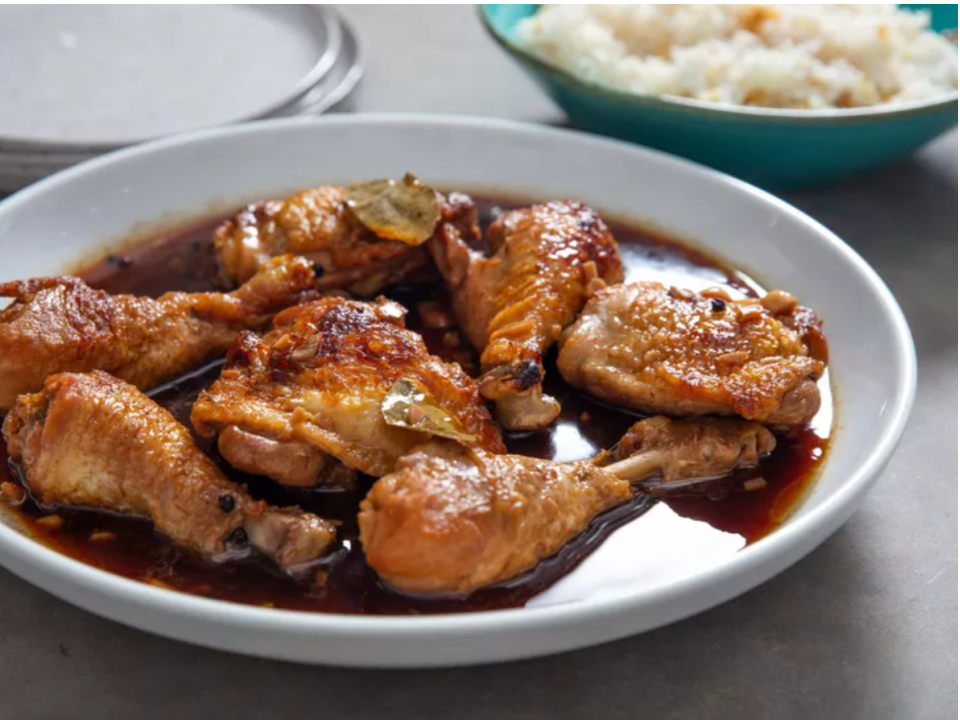
- Gravies (Brown, White/Cream, Mushroom, Red Eye): These are your heavy lifters. Gravies are required for roasts that have longer cooking times and inherently tougher cuts of meat. They provide the thick, cohesive binding power needed to keep minced or diced meats safely suspended.
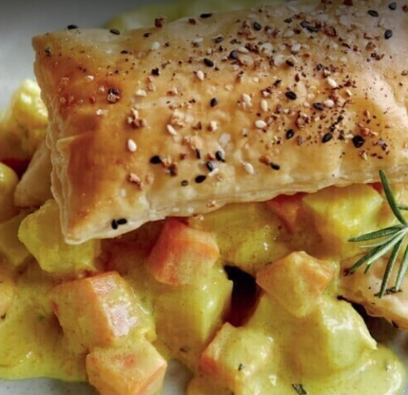
- Sauces and Condiments: Don’t forget to add color and variety throughout your daily menu. Standard items like BBQ, Tomato, Pesto, Teriyaki, and even Chocolate sauce are excellent tools to coat foods smoothly, preventing dry-out while adding immediate visual contrast and familiar comfort to the plate.
2. The Plating and Coating Protocol
To maintain absolute compliance on the line, your kitchen staff must follow a standardized coating protocol. As highlighted in the
RecipeTree Sauce is Boss Infographic, proteins and grains must be thoroughly coated with a sauce or gravy to prevent texturized breakdown. Vegetables should also be coated with a sauce or gravy as needed to assist with transit safety. However, there is an exception to the rule: most fruits are inherently moist and do not require additional liquid binders, saving your team extra prep steps.
3. The Compliance Safeguard: Logs and Standardization
While introducing a variety of gravies and savory sauces elevates your plates, protecting your community from a regulatory standpoint is paramount.
If these specific sauce additions or substitutions are not written into your master menu cycle, they must be formally documented in your
Menu Substitution Log. State surveyors inspect these logs to verify that any added sauces do not inadvertently alter the mandated therapeutic limits (such as fat, sodium, or sugar baselines) for residents on strict diets.
Furthermore, ensure that your kitchen team utilizes an explicitly
standardized recipe for every sauce and gravy served. From the starch ratios to final holding procedures, having locked-in measurements and clear texture boundaries ensures consistency for your staff and provides the bulletproof documentation needed for a successful, deficiency-free state survey.
How does your community utilize sauces to keep your IDDSI menus compliant? Check out our full
"Sauce is Boss" Infographic to print out for your line cooks, and explore our free resources on the RecipeTree
IDDSI Hub page.